The new year organisation and tidy-up continues…

Christmas has come and gone and left behind lots of new toys and belongings to store and old ones to be sorted out and passed on. The spring clean and cupboard empty continues throughout the house. (My husband thinks I’m nesting – I think I’m just getting the house under control again before school starts up and a new baby makes these projects all but impossible!)

The previous year’s projects, papers, drawings, paintings and crafts need to be sorted, chucked or saved. Some of the methods we use to keep precious projects under control are outlined below.

Desks/Ledges: Each child has a designated ledge, windowsill, shelf or desk for displaying models, junk modelling and any other bulky items they have built. When the area is full, they have to decide for themselves what comes down. No mean Mummy throwing out things they love, they make all the culling choices for themselves.

Digital photographs: To make the transition to the bin easier, we photograph the models with the digital camera and print them out to be added to their scrapbooking albums or personal homeschool diary writing books so they have a permanent record.
Pinboards: The children’s rooms have pinboards for displaying their artwork and other projects. When they are full and they want to add a new item something must go into the bin or move to their workboxes. A limit of one item per child is displayed on the fridge at any one time otherwise the forest of paperwork on there gets quickly out of control.

Workboxes: Each person in the family has an A3 box with lid that we long ago covered and decorated with coloured contact. Throughout the year, all paperwork that is not on display (other than homeschool work) is placed here if the children want to keep it. Even Mummy and Daddy have a workbox for all the pictures, paintings, crafts and cards given to us. We show they are valued by keeping them in our special place and try to remember to date them as they go in. As the children’s boxes get filled, they empty them out and only put the most precious items back in again, throwing out the rest. After some time has passed it is easier for them to be more objective about what is and isn’t precious. EVERYTHING is precious when they have just finished it!

House Tidy and Spring Clean Continues…

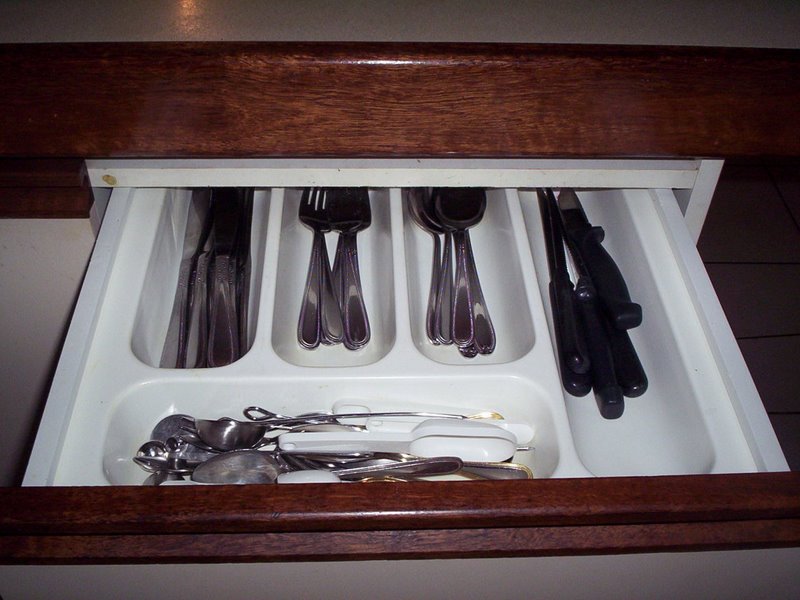
Sorting the cutlery is one of the first responsibilities we give to our children, usually just after the age of two.

As part of our spring clean week and before the new year really takes off we usually sit down and take a look at our responsibility (chore) system and evaluate how that is working for us. This year, with the twins not yet ready to take on any formal responsibilities, nothing will be changing and our job allocation will stay the same.

We have used several different chore systems over the years, all of which have worked well for a time. (See this post on chores and responsibilities for  more information on chores, which chores to give what ages and much more.) Here are a couple of chore system ideas:

Index cards: Digital photographs of the chore to be completed are stored in a flip box (photo storage container, lunchbox, Tupperware container or similar.) The child starts at the first card, completes the job and puts the card to the back of the stack. Occasionally a “reward” card will be randomly included and a small treat given.

Upside:

  • Photos give clear indication of what is expected.
  • Mum can see at a glance what they should be doing.
  • Easy to update with new chore cards.

Downside:

  • Children flip through entire box every time before starting to see if there is a treat card included and mope when there isn’t.

Scrub the toilet chore card.

Chore packs: photographs or descriptions of the chores are clipped to the child’s clothing (a lanyard could possibly be used) and the child carries this with them as they work, taking out the finished chore and putting it to the back of the pack until they are complete.

Upside:

  • Photos give clear indication of what is expected.
  • Child doesn’t have to come back to a central area to see what is next.
  • Easy to update with new chore cards.

Downside:

  • Mum can’t see what chore they are up to and if progress is being made.
  • Easy for cards to get tipped out or out of order.

Folding chore card.

Velcro chore picture cards and chart: The child moves the velcro backed picture cards from one side of the chart to the other as they are completed.

Upside:

  • Pictures give clear indication of what is expected.
  • Mum can see at a glance what they should be doing.
  • Motivating to the child as they can see their progress.
  • Easy to update with new chore cards.

Downside:

  • Older children can’t be bothered moving the cards after each chore is complete.
  • With larger numbers of children, these charts take up a bit of room on the fridge.
  • The velcro backed cards make a great sound when they are ripped off and are very attractive to toddlers who like to rip them on and off and lose them in the process!

    Doing the folding??? Jock and knicker hats are all the rage.

Laminated chore charts: These have spaces next to each chore for the child to cross off or tick that each job has been completed.

Upside:

  • Photos give clear indication of what is expected.
  • Mum can see at a glance what they should be doing.
  • Children enjoy seeing their progress.

Downside:

  • Not easily updated as chart must be re-made for chores to be changed.
  • Children soon loose interest in ticking them off although they can still follow the chart regardless.

Also "helping" with the folding. Singlet hats are the latest thing!

A simple picture and description list: This is what we are using at the moment. It is simply an A4 piece of paper divided into three columns (one per child) with labelled thumbnail sized pictures representing each chore. It is slid into a plastic sheet protector on the fridge.

Upside:

  • photos give clear indication of what is expected.
  • Mum can see at a glance what they should be doing.
  • It is small, covering 3 children’s chores on one A4 page.
  • Easy to update as it is stored on computer.

Downside:

  • Uses ink to reprint every time you need to update.
  • Not as interesting to use as some of the other systems.

    Dustbusting is another easy job for a toddler to do.

New Year House Tidy and Re-vamp: Kids Bedrooms

This week our whole house spring clean has begun as the new year approaches and bedrooms are the focus. With twins soon to go into big beds, we have had some major room overhauls and re-arrangements to our previous systems, but I thought I’d post how we previously managed room cleaning as it has worked well for us for many years.

Tidying their bedroom is one of our children’s morning responsibilities and must be completed along with a couple of other chores before they come to breakfast. (Nothing like food as a motivator!)

One of the best tools I have found for assisting children to tidy their rooms to the standard I am expecting is to photograph every single part of the room as you want it to look in it’s tidy state. Each child has a poster of these photographs in thumbnail size (plus labels for those who can read) pinned on their bedroom doors.

They simply start at the top of the list and work their way down, making each part of the room look exactly as the picture does. It gives those who struggle to know where to start a specific order and system which helps them not to be too overwhelmed and the older children simply use it as a check after they think they have finished to make sure they haven’t forgotten anything.

When you make your poster, break down the room into the smallest parts or jobs you can think of and photograph each one individually, it’s as simple as that. Our door posters end up with around 12 or 14 pictures which sounds a lot but really helps the little ones to break a large job into smaller parcels that they can easily tackle. The same system works well for any room in the house.

If children come out and report that they are done when they have not completed areas, all I have to say for example is “Does your desk look like it does in the picture?” The child is forced to admit that it does not, which eliminates whining and arguing. I couldn’t begin to count how many times before we started this system a child has come to me and said their room was done (and fully believed this to be the case) when I could immediately see a dozen things that still needed to be put away. Children just don’t see mess through the same eyes we do!!

A few of the photos we have used are included below to give you some idea of what you may choose to photograph in your own child’s room.

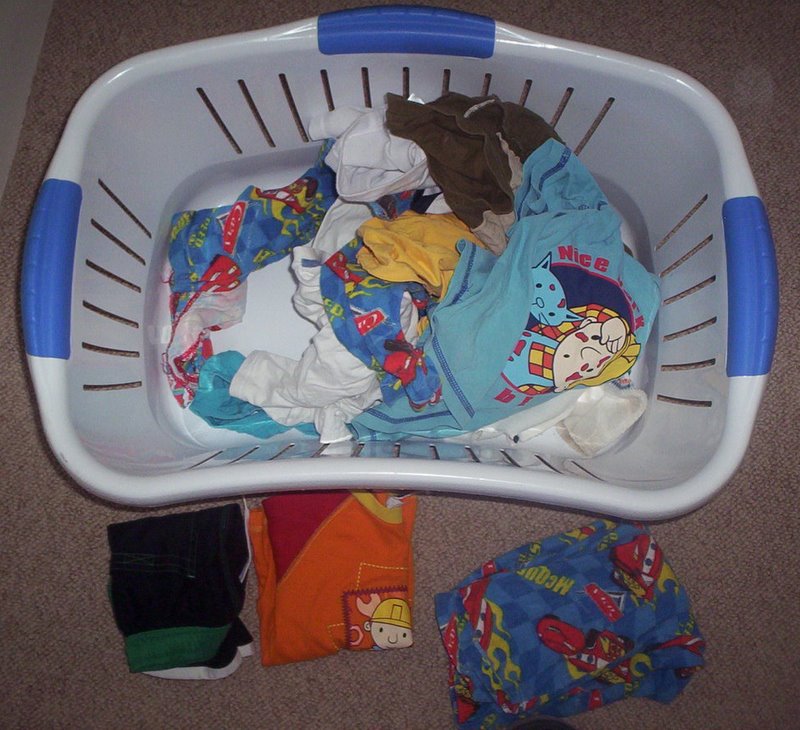
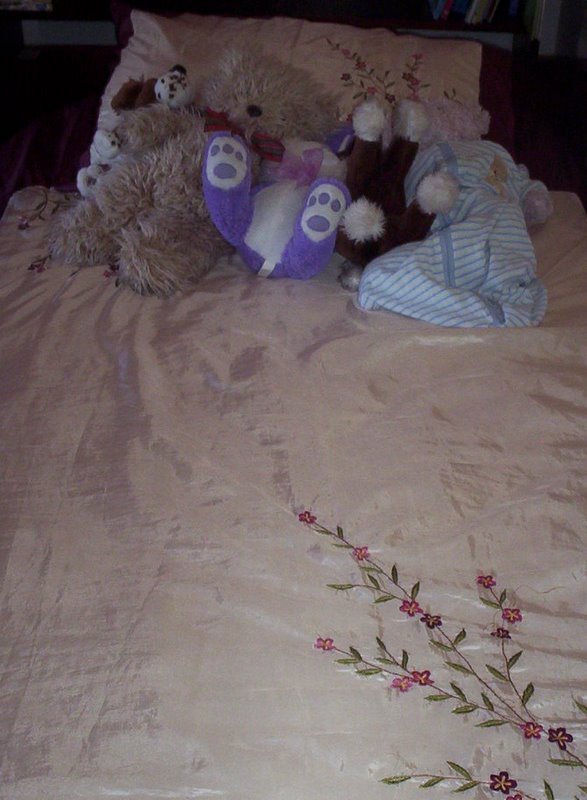
A picture of their fully made bed with teddies in place is included, along with a picture of dirty clothes in the laundry hamper and pyjamas under pillows.

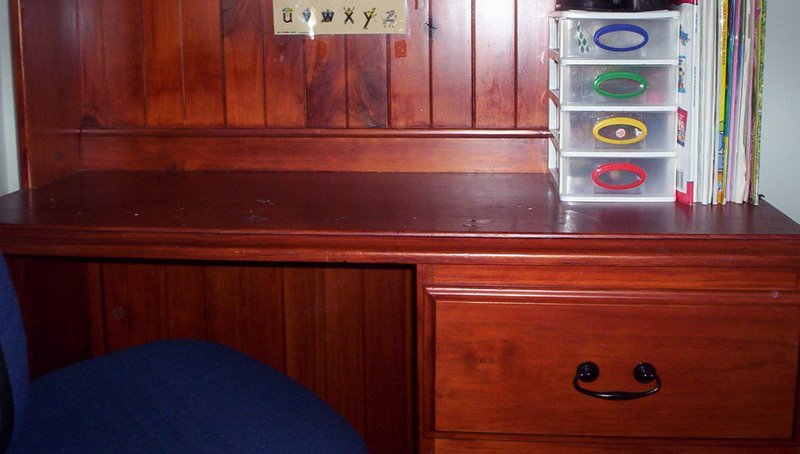
Tidy desks and a picture of the inside of drawers too as certain children who shall remain nameless like to tidy their desks by simply sweeping everything into the nearest drawer!

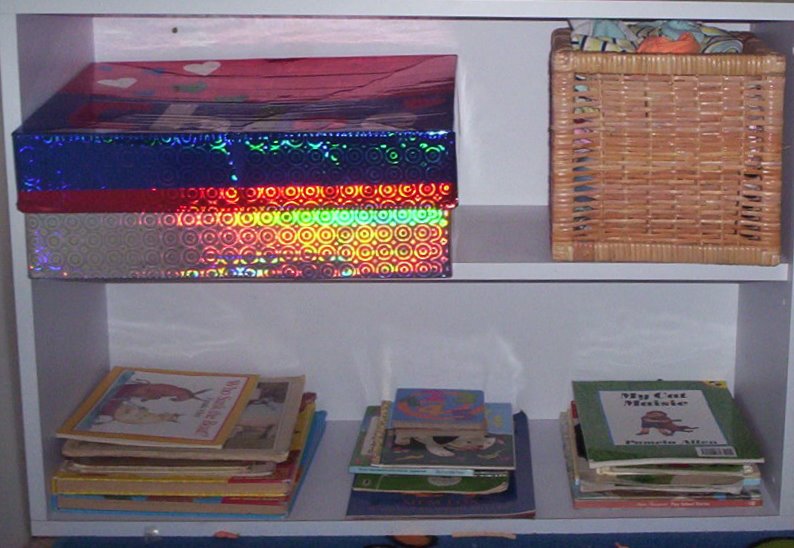
Shelving and contents as they should look.

Yes, this is a picture of the carpet, or in this case a mat on the floor. How else do you show a tidy floor?

Empty bin. The children do not have to empty their waste paper baskets until they are full but before they are overflowing!

Christmas debrief and next year’s plans

Christmas morning - great anticipation!

The dust has almost settled and the Christmas festivities are over for another year. The house has not yet recovered and neither have the children (a big tidy-up and a few early nights are required!) but everyone is enjoying relaxing and exploring their new gifts.

As we sit back and think through how Christmas went this year, I encourage you all to make yourself a few notes for next year. A bit of a Christmas debrief if you like. Perhaps keep them with the decorations or somewhere you know you will remember to check them. As the Christmas decorations first hit the department stores ridiculously early, use this as your reminder to get out that list and plan ahead for all the things that you want to do with your family and won’t get to without some up-front preparation.

Pick any headings that are helpful to you, but some of the things we will be thinking through are:

  • Our traditions (What we love and want to keep doing, new traditions to add to our celebrations next year, traditions we like the idea of but haven’t managed to make happen yet!)

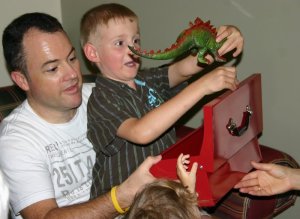
"I know I'm not supposed to touch but...."

  • Gift buying (Planning to buy at Christmas sales for next year, purchasing throughout the year to spread out the cost, starting early and making gifts, planning for on-line purchases in Sept/Oct, buying wrapping paper, gift tags and cards on sale)
  • Christmas cards (Actually getting around to sending some next year!)

Our finished Jesse tree

  • Advent planning and preparations for next December (Making a whole new set of Jesse tree symbols and scrolls in November.)
  • Specific ways you will help your family to put God first throughout this season and focus on the birth of Jesus rather than getting caught up in the commercialism of it all. (Advent readings, Jesse trees, nativity scenes, community service, blessing the neighbours, reading the Christmas story on Christmas morning, singing Happy Birthday to Jesus etc.)
  • Special Christmas books (Each year we add to our Christmas book collection by purchasing online or at sales after Christmas for up to 90% off the original price. We then have beautiful Christmas stories, advent books, Christmas devotionals and picture books to read throughout December for a fraction of the regular retail price. We also purchase some for Christmas gifts the following year.)

  • Food (How did the planning, preparation, serving on the day and any other food related matters go? Great new recipes to collect from friends or family members we have tasted during the festivities.)

  • Travel arrangements (How did the Christmas period run and would we do it the same next year? This year we had two family celebrations as we always do, but they were spread out – one on Christmas day, one on boxing day, plus a smaller breakfast on Christmas morning and church. We felt much more relaxed than in the past when we have had church plus a lunch at one side of the family and then a dinner for the other side.
  • Any other ideas or notes that will help you to be more organised and stress-free next year. Christmas need not be a hurried and harried season, it really can be relaxing, joy filled and focussed on the birth of Jesus.

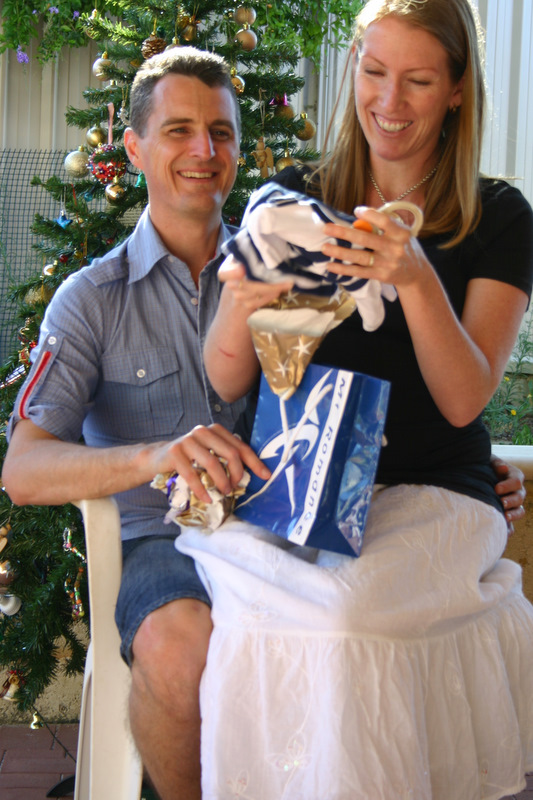
  • Even “the bump” received gifts. Wow! Presents in the womb!

Receiving Gifts, Thankfulness and Good Manners

With Christmas in just 2 days I thought it was timely to remind the children about thankfulness and gratefulness for what they are given. We spend a lot of time in the lead up to Christmas focusing on Jesus and the true meaning of the season, discussing how we can bless others and think of others first etc. but we are realistic and know that if there are presents involved, they are usually where the focus and excitement of the young (and not so young!) children will be.

Like many families, our children are very blessed to receive gifts from close and extended family on Christmas day and we want them to enjoy these, but at the same time remember the preciousness of the giver and the importance of showing thankfulness for what they receive.

A friend of mine (thanks Cherub) gave a group of Mothers and I some excellent suggestions a while ago about receiving gifts and how she has taught her children to show good manners and thankfulness when they receive their gifts. She has the child say thank you as they receive their present and take it to sit next to the gift giver to open it. The children know that it is considered good manners to open the card first and read it (or have it read to you) before opening the gift. Once open, they spend a little time looking at and playing with the item as well as thanking the giver with some specific comments before moving on.

I think this is a brilliant idea and we will be endeavouring to encourage our children to go through this process this year. We have talked about what to do and say (or not say!) in a variety of situations including:

  • when they already have the same item at home
  • the kinds of comments they can say to the gift giver once the present is opened
  • the importance of being truthful whilst respecting the thought, time, money and effort that the giver has gone to in order to give them their gifts
  • some tactful ways to respond when the gift is not something they like, want or need. Let’s face it, that happens at times.
  • guarding their facial expressions when they see the gift for the first time
We have perhaps not spent enough time on it to get perfect results, but we are hoping that our family members can take pleasure in the reactions of our children to the gifts they receive and the character that is displayed during this wonderfully exciting season.


Christmas Traditions: Memories for a lifetime

Christmas is a special time for most families and it is such a great time to deliberately focus on creating family traditions that will be remembered and treasured for a lifetime by our children, grandchildren and perhaps on through the generations. Traditions help to knit families together; they are part of the glue that keeps families whole, fostering interdependence as a family rather than independence from the family.

Each year we add a few more traditions and carry on with those we like that we have already started. Here are some of the many things we do together as a family and extended family that help make Christmas special for us:

  • The children decorate the Christmas tree on December the 1st while the grown-ups take video and photos. Christmas carols play in the background and the kids have a wonderful time handling all those sparkling decorations and arranging them any way they please.
  • The youngest child (who is able) tops the tree with the Christmas star.
  • The Christmas books that only come out at this time of year are placed in a basket under the tree for reading in the evening after dinner. The tree lights are turned on and I read aloud from one of the  stories. I try to purchase a couple of new books each year in the after Christmas sales so that there is something new for me to read. There are some wonderful stories that are designed to be read piece by piece across advent and other beautiful Christmas tales that we read a chapter a night from.
  • A selection of carols and Christmas worship music is available, as are a stack of Christmas videos for those days when everyone is way too tired to get along. (Usually the day after “Carols in the Park” for example when we stay up way past the kids’ bedtimes.)
  • We read daily bible readings from our Jesse tree scrolls and each child takes turns to unwrap the related symbol for the tree.
  • Every morning one child takes their turn to open the little wooden doors of our advent calendar and add the next character to the nativity story display. On a few surprise days there are little treats hidden in with the characters.
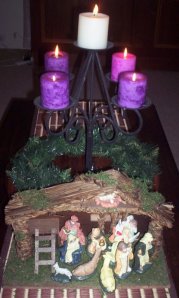
  • The advent wreath and candles are set up and we light them during our daily Jesse tree devotion or at another time such as the evening meal.
  • The nativity scenes are set out and available for little ones to play with; a sturdy china set for the older children and a fabric set for the little ones.
  • We make Christmas crafts together. Nothing super tricky or spectacular and often the same ones each year such as paper chains, recycled greeting card sewing cards and a multitude of home-made Christmas cards using different craft techniques (the more glitter and sparkly glue the better according to the girls!)
  • The Mummy and Daddy shop opens for business. The children use their hard-earned pocket-money to purchase small gifts for their siblings from a selection I purchase for this purpose.
  • We visit a local carols service with activities for the children, wonderful colour changing candles that they can all safely hold (the days of burning patches in the grass with real candles are long gone, sigh..) and yummy snacks. We set the kids up in their little camping chairs wrapped in blankets and we all have a ball staying up late and soaking up the festive atmosphere. Sometimes we meet up with other families and usually at least one set of Grandparents is able to come along and enjoy the evening.

    Grandma has her own tradition of fancy Christmas headgear, flashy Christmas light earings and necklaces or similar. The church congregation look forward each year to seeing what she will be wearing to the Christmas service!

  • We are taking a break this year, but for the past several years my husband’s side of the family have made gifts for each other, instead of purchasing. Each name is drawn out of a hat and each adult hand-makes something for that person. Some of the resulting gifts have been quite spectacular and always involve much love and care. And yes, even the men do it and they have been just as creative as the women.

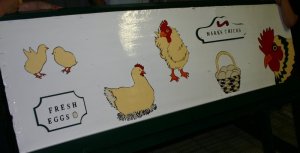
    Last year I hand painted a chicken hutch that we had been given for my brother-in-law who keeps chooks.

  • To cut down the number of gifts we all need to buy, we have long since instigated the plan that we only buy for the children in each family, rather than the adults as well. (Excepting families who had no children.) To keep it fair, now that we have so many children in our family we will be suggesting that perhaps a family gift will be better for next year. Other families we know do this and they have some wonderful ideas for inexpensive gifts that the whole family can enjoy together. One family we know is giving tickets to a water playground (entry is not expensive) along with a couple of toys to play with in the mini river while they are there and a few special snacks to share together. Sounds good to me!
  • We haven’t pulled this together this year, but our suggestion for next year on the Pascoe side is that all the children prepare an item (song, musical instrument piece, short play etc.) to perform for the whole family. We think this will be fun and add to the day.
  • I’m not going to get into the rights and wrongs of guns here (I know people feel very strongly about that!) but the water pistol fight is turning into a yearly tradition that is enjoyed by all. Christmas day is almost always hot and some cooling yet boisterous activity to burn off all that dessert and surplus child energy is needed.
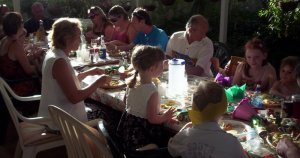
  • The meal itself is always simple. We are usually outdoors, so the BBQ is fired up and a range of cold meats and seafoods or BBQ meat is prepared with delectable salads and accompaniments. Everyone pitches in to bring food and the host family rotates each year so the load doesn’t always fall on the same person. What food is served is never a big issue but it is seldom the traditional turkey and roast.
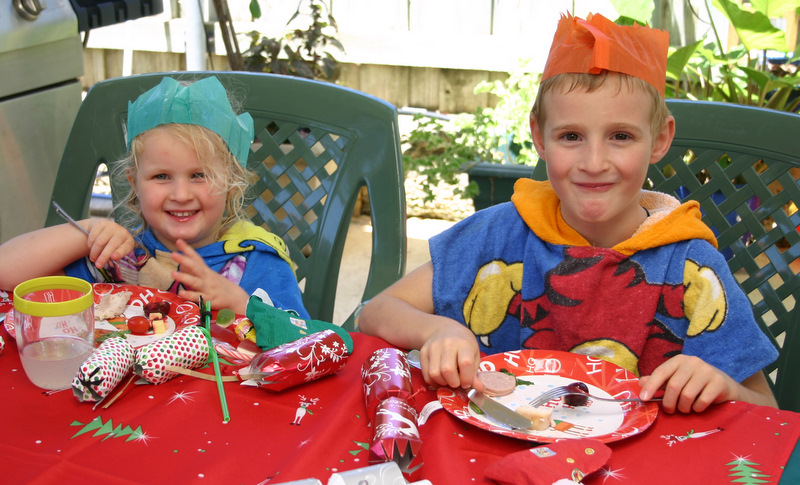
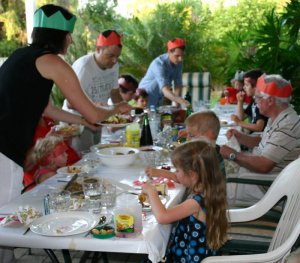
  • The Christmas table is usually set with bonbons and we all read out the obligatory bad jokes and wear the paper hats while we eat.
  • The Pascoes take a yearly family photo which provides a nice keepsake for everyone. Traditionally it is done at the last-minute when we are all looking our worst and wondering if we have food stuck in our teeth.
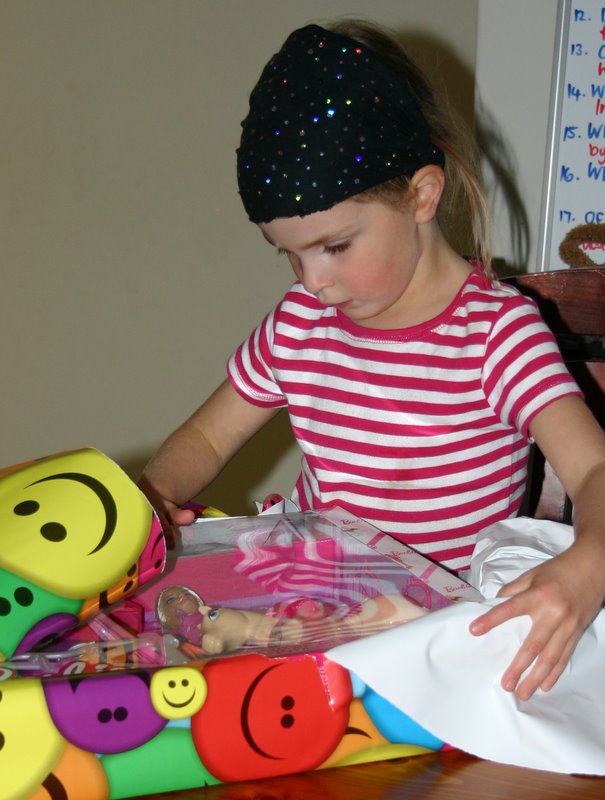
  • On Christmas morning we begin the day with the final advent reading. Our hope is that throughout this day and the entire Christmas season we can keep the focus as much as possible on Jesus’ birth and the real meaning of Christmas. (See Christian Families and Father Christmas.) We give our own children their gifts and they give their gifts to each other. We all take turns to open the presents, with only one child at a time unwrapping gifts so we can all see and appreciate what has been chosen for them. We then share a light breakfast together before getting dressed and heading out to church.
  • At the Pascoe celebration, the children’s gifts are given out before the meal. Grandpa or another family member hands out the gifts to one child at a time, starting with the youngest. They sit on his knee to open them and again we all have a chance to admire the gifts and to see what the child receives. We all spend a long time choosing special gifts and like to take the time to really enjoy each one as it is given. 
  • The McEwan side of the family has a very similar celebration with a large family get together, feast table and lots of gifts, however the gift giving is much more spontaneous and the deafening roar of crackling paper is heard as everyone rips into gifts at the same time and we race around afterwards trying to work out who gave which child what! Lots of fun but much more chaotic!

However you choose to celebrate this year, remember to focus on the birth of Jesus and the amazing salvation that we can all have as a result of this sacrifice from God.

titus2.com: Food for thought

Products

I came across the titus2.com website a few years ago after friends recommended several of the books available from the Maxwells who are the authors of the site. I have since read and then purchased almost all of their books and have found them to be Godly, inspiring and practical resources.

Teri and Steve Maxwell’s Mum’s and Dad’s corners are a regular email that comes out about once a month on a variety of parenting, family and faith based topics. I enjoy reading them and find them food for thought. Often my initial reaction is something along the lines of “too extreme,” however I have found that when I have had time to think the topics through from a biblical perspective, I agree with them and realise that they are not “extreme” at all, just biblically based. The sad reality is that often our lives (even as Christians) have become so worldly and our attitudes so affected by our culture that a biblical way of life seems extreme rather than the other way around.

The latest Mum’s and Dad’s Corner has some great ideas about Christmas traditions and celebrating Christmas as a Christian family. Check it out here.

Nativity cartoon: The Christmas story according to the bible

I was sent this link recently for a short cartoon depicting the nativity story. It presents the traditional nativity then corrects a few of the errors that are traditionally told to children but aren’t actually biblically based (for example, the shepherds and wise men arriving together to visit baby Jesus in the stable.) Short and sweet with a touch of humour, this is a great little snippet to show the children to help them understand the biblical story of Christmas. Plus it’s fun!

Our Jesse tree symbols and readings for Advent

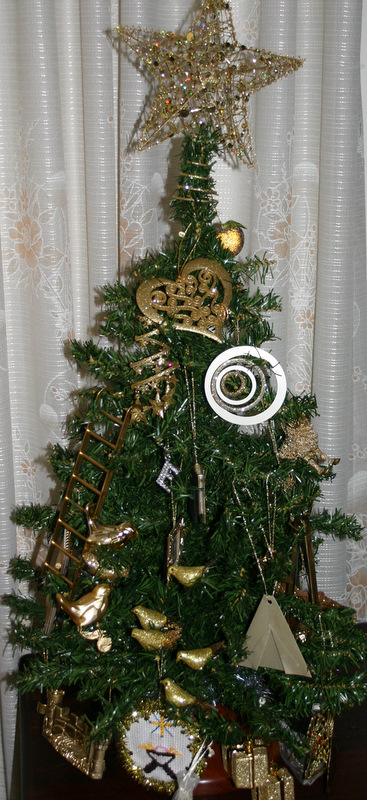
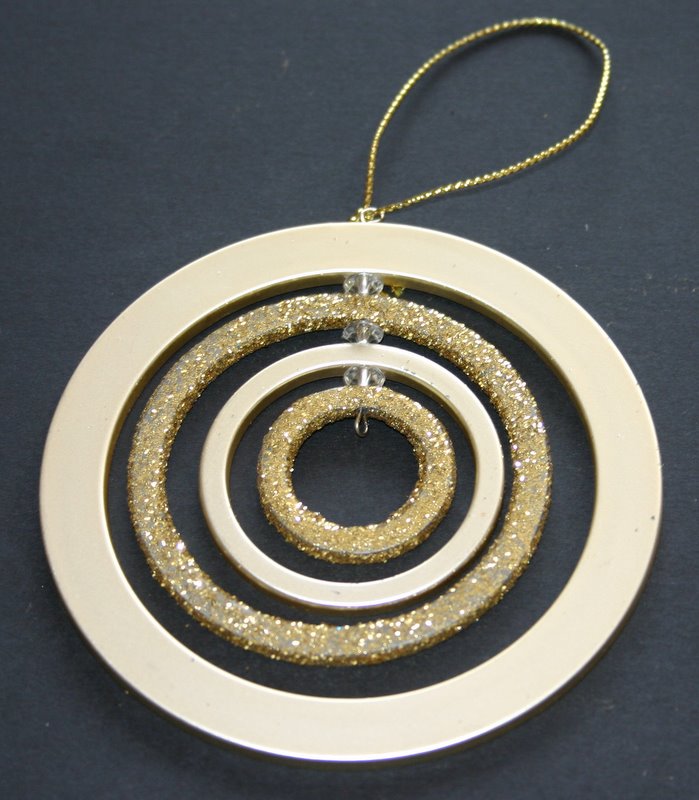
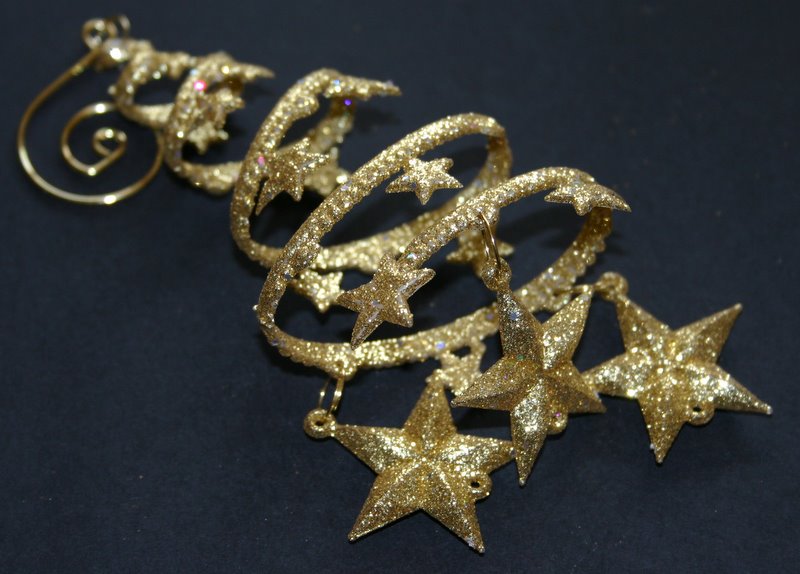
Day 1: God's creation. (This decoration reminded us of the planets around the sun)

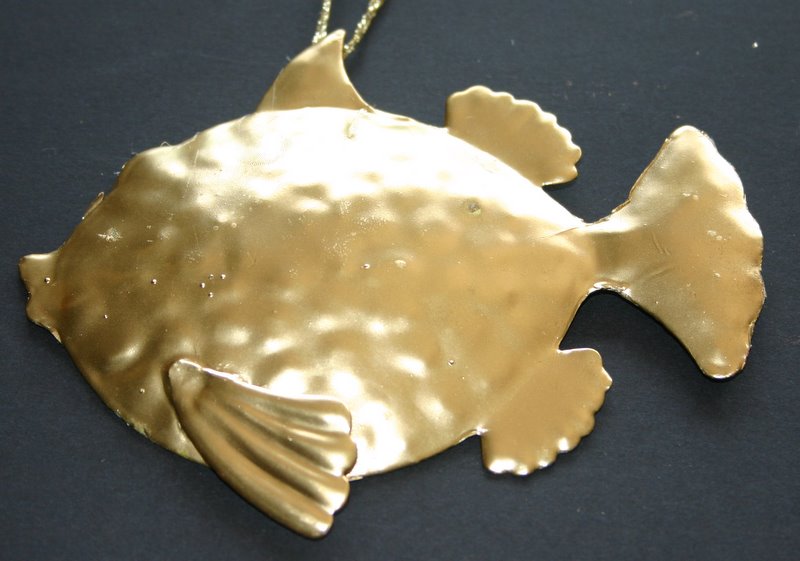
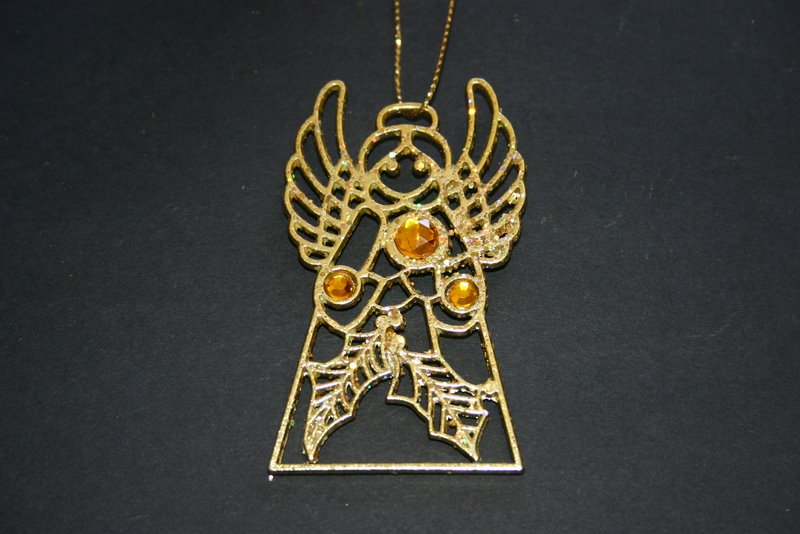
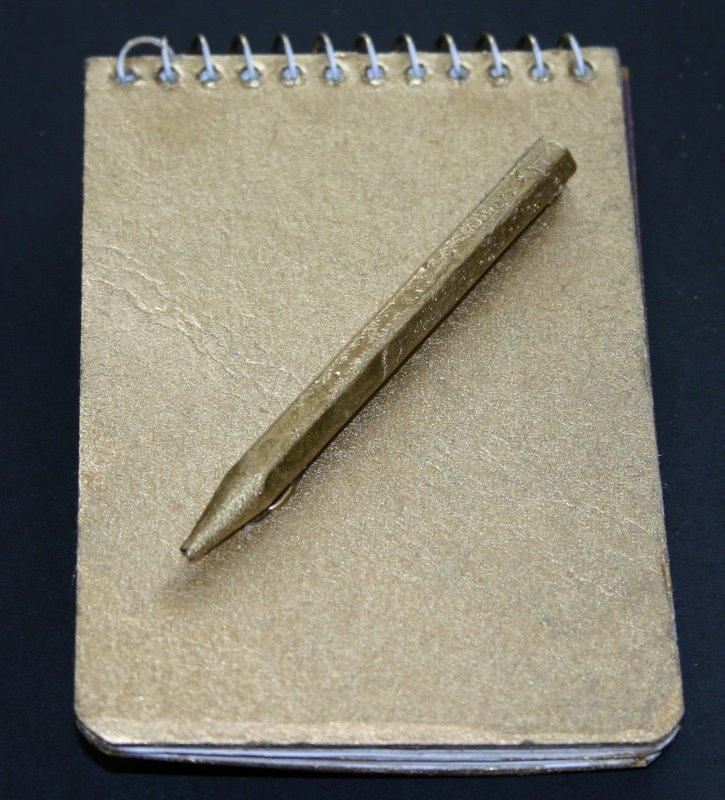
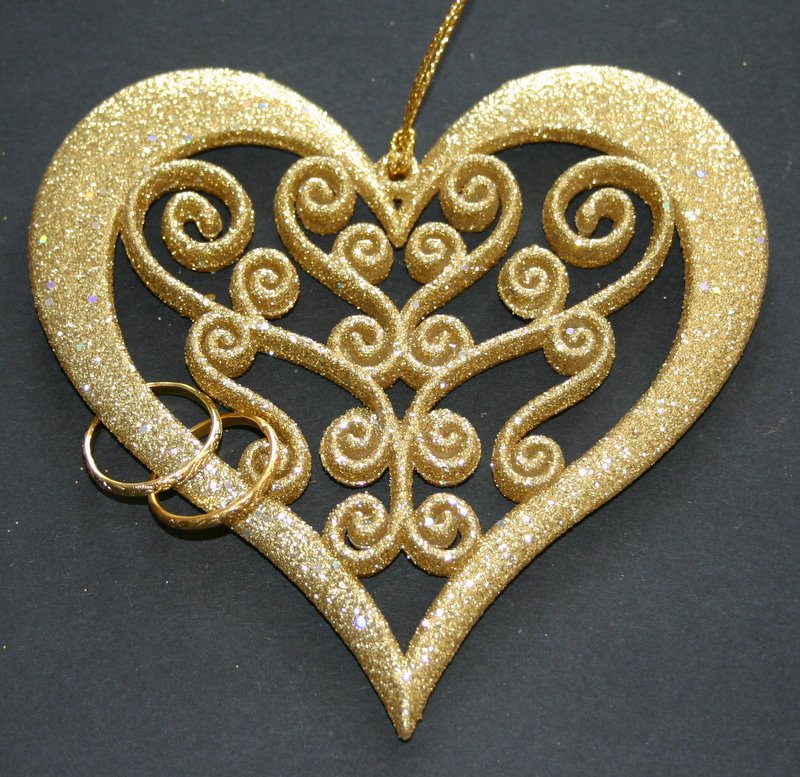
As we seek to focus our family on the true meaning of Christmas, we have been taking deliberate steps to create yearly Christmas traditions and memories. I have finally finished all the symbols and readings for our Jesse tree for Advent this year. The children have been involved in searching for and choosing the symbols for each day (some alternative ideas here.) Most were found in discount variety stores, some were gathered from around the house and we even made a couple. I spray-painted them all gold to keep a constant theme (and just to look nice!) and it was amazing how good even the cheap plastic animals look with a coat of gold. The readings we chose came from some of the many online choices available (links at the bottom of this post about Jesse trees.)

Bible reading scrolls

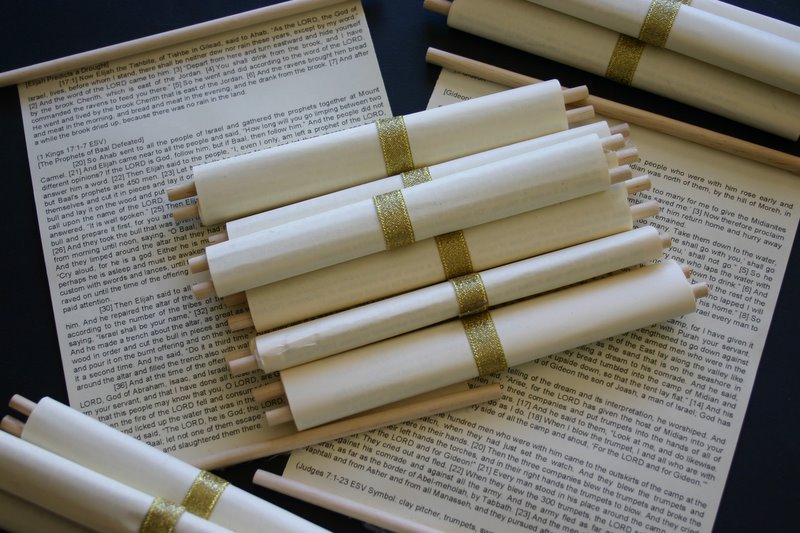
I have typed up the bible readings, printed them out onto thin card and hot glue gunned on thin craft sticks to make scrolls. Each one has a small circle of ribbon to hold it closed that can be slipped off to read the scroll. Each night the children will take it in turns to open the scroll and unwrap each symbol after the reading. (I thought wrapping the symbols would make it even more exciting and they could guess what symbol would represent the readings we had heard before seeing what it was.)

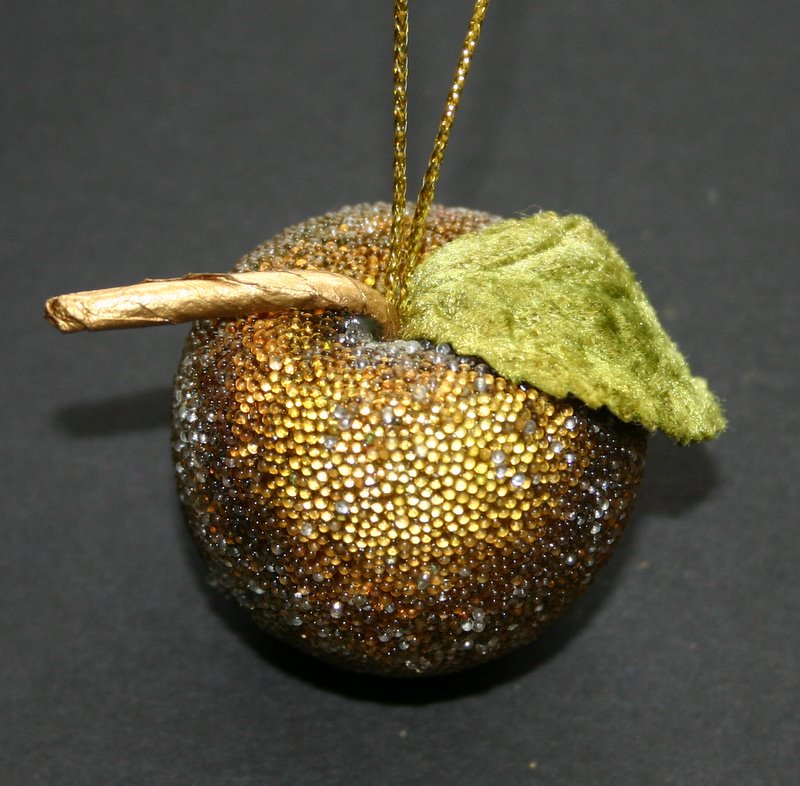
Day 2 Adam and Eve (The forbidden fruit)

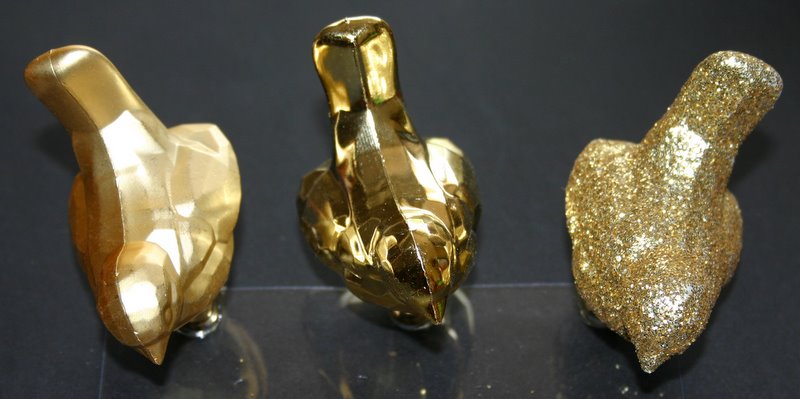
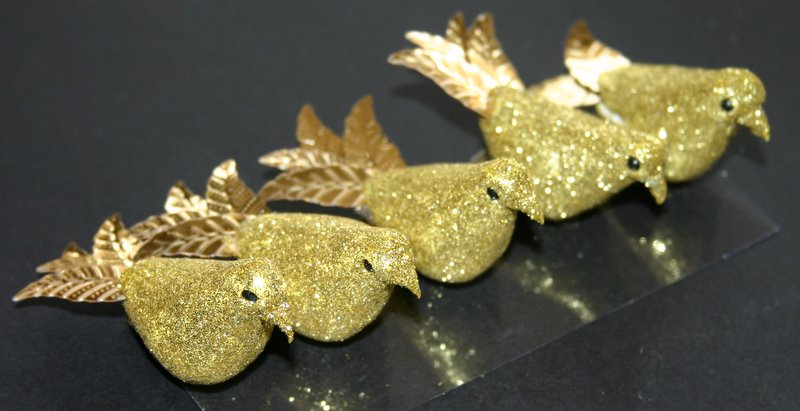
Day 3 Noah's ark (birds sent out 3 times to find dry land) There are lots of bird decorations out this year so these were easy to find.

Day 4 Abram (descendants as many as the stars)

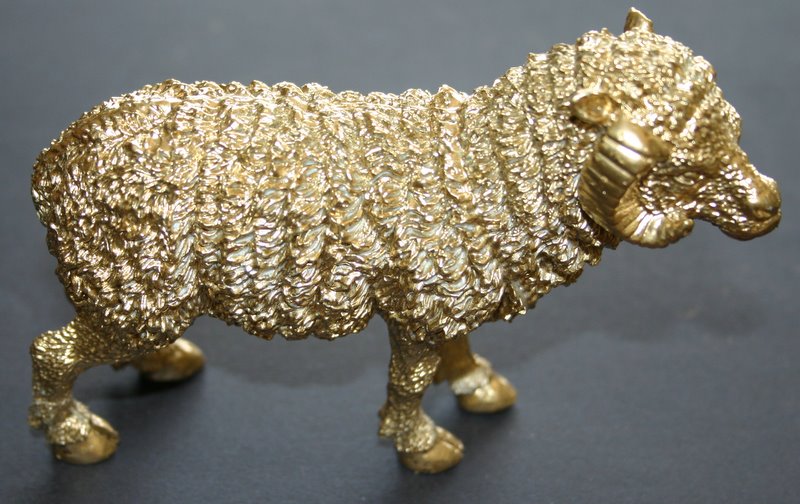
Day 5 Isaac (ram as sacrifice) This is just a plastic ram sprayed gold but it looks great!

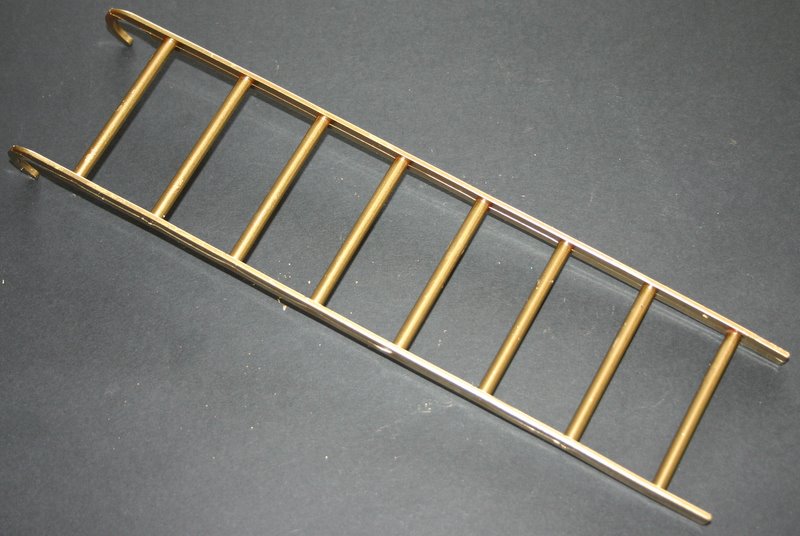
Day 6 Jacob's ladder (This ladder came from a bird cage set.)

Day 7 Joseph (Sold for 30 pieces of silver into slavery)

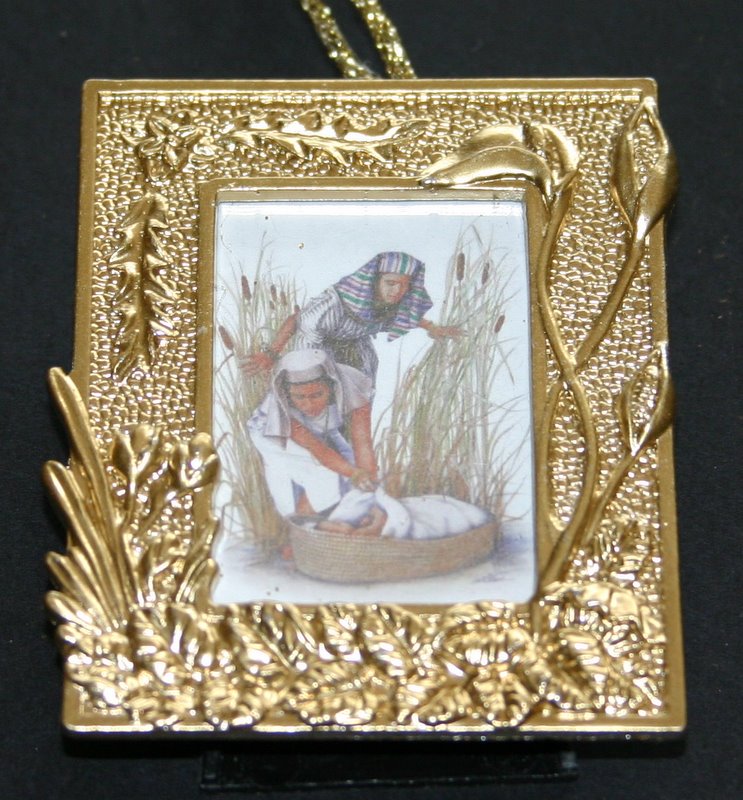
Day 8 Moses (in basket) This miniature frame had what looked like reeds around the edge.

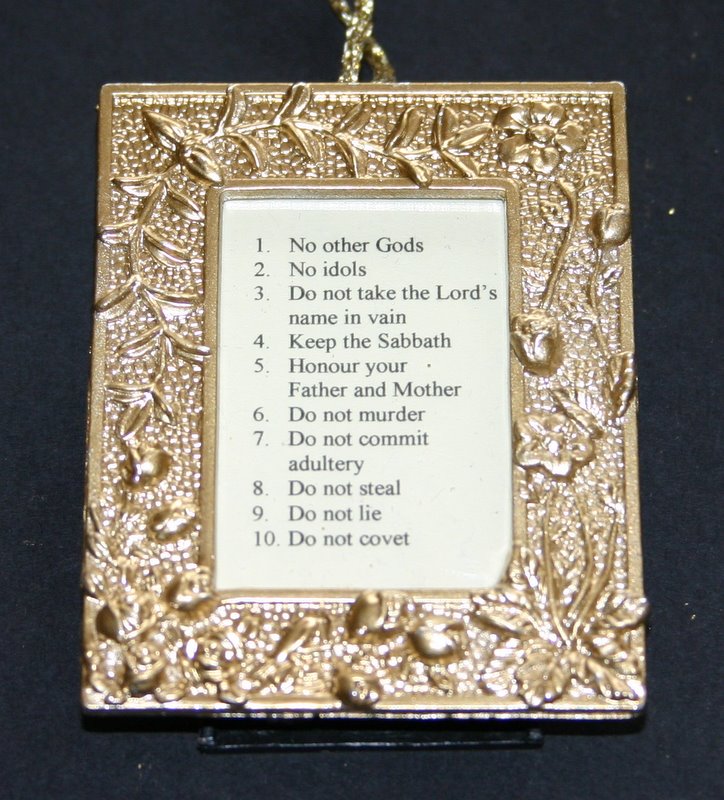
Day 9 The 10 commandments (Not quite a stone tablet but as close as we could get.)

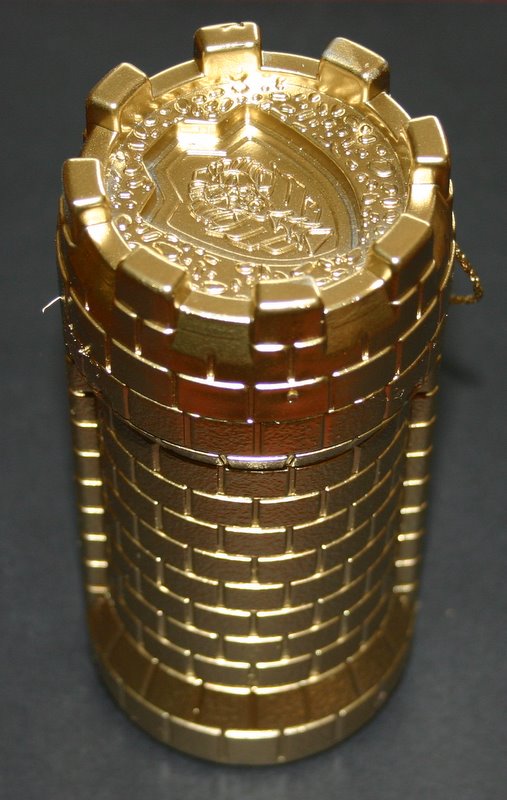
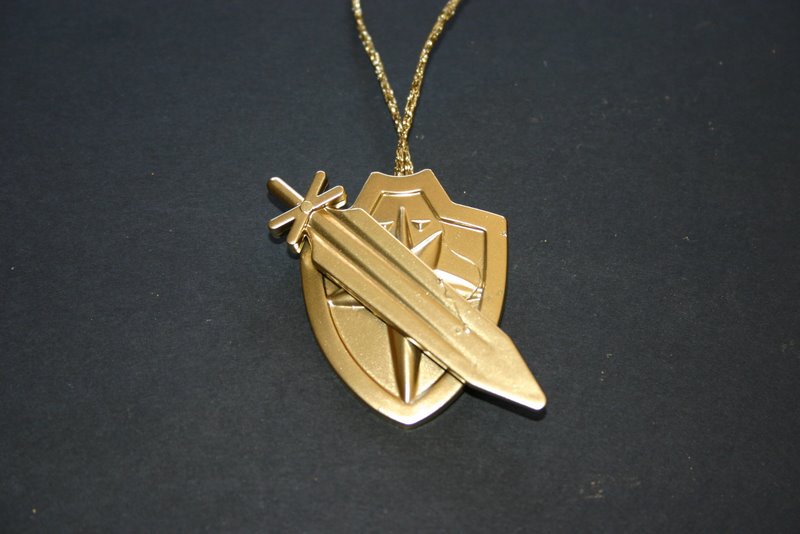
Day 10 Joshua (The battle of Jericho) This was a cheap plastic tower with a plastic knight to build inside. We used the knight's shield and sword for Gideon so 2 for the price of one!

Day 11 Gideon (A sword for the Lord and for Gideon)

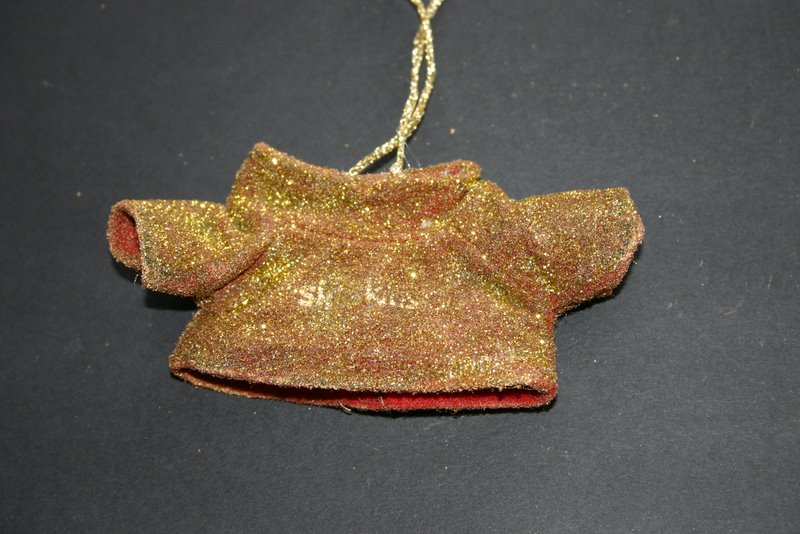
Day 12 Samuel (His Mother takes him a little coat each year) My least favourite decoration - fabric does not spray-paint well.

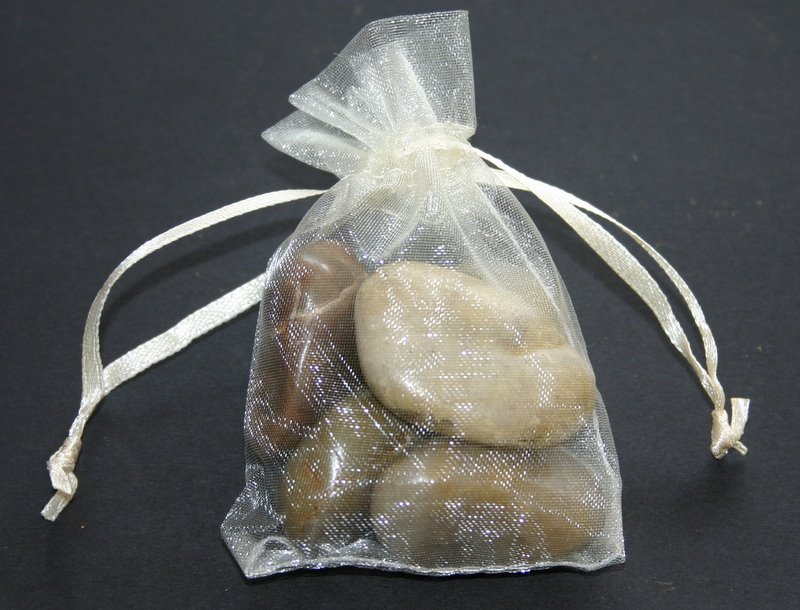
Day 13 David (5 stones for Goliath)

Day 14 Elijah (fed by the ravens)

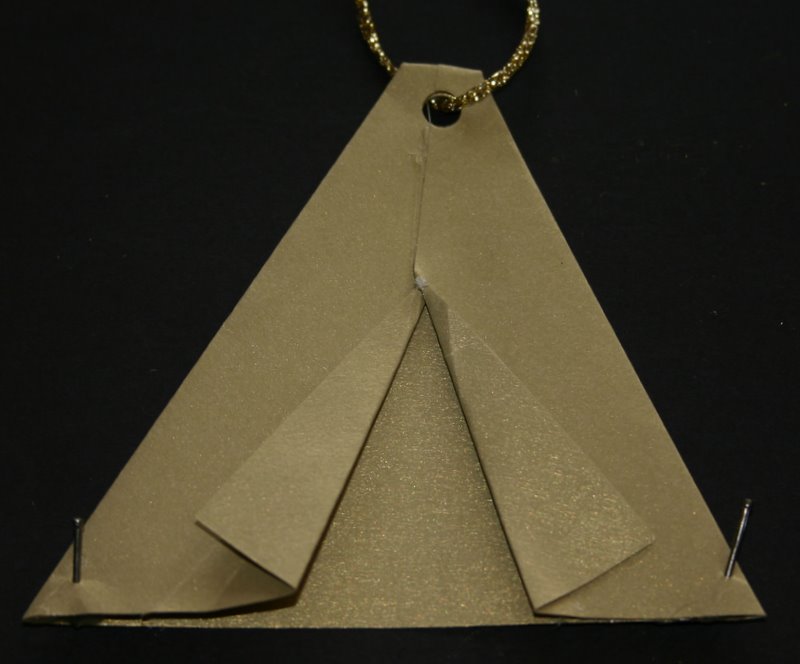
Day 15 Hezekiah (empty enemy tent)

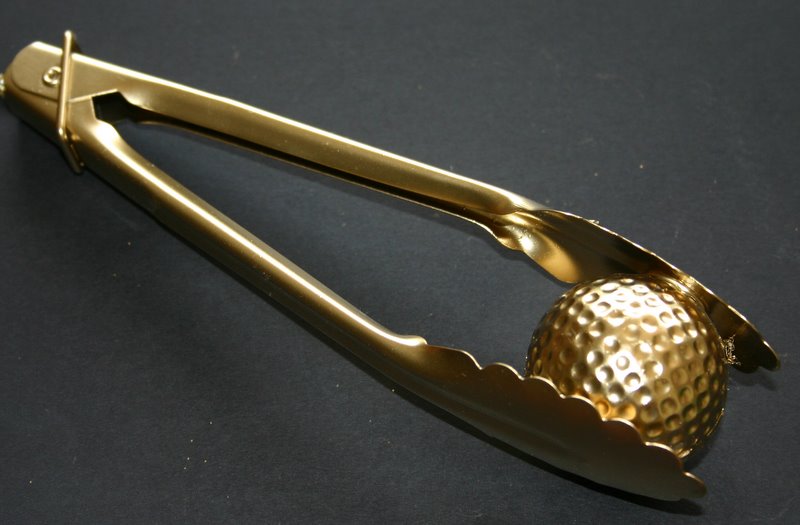
Day 16 Isaiah (Tongs and hot coal)

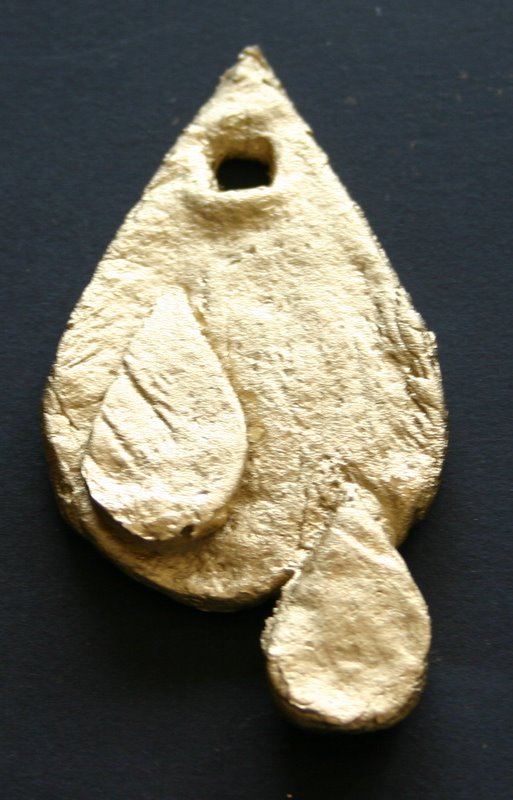
Day 17 Jeremiah (Known as the weeping prophet) Made of salt dough.

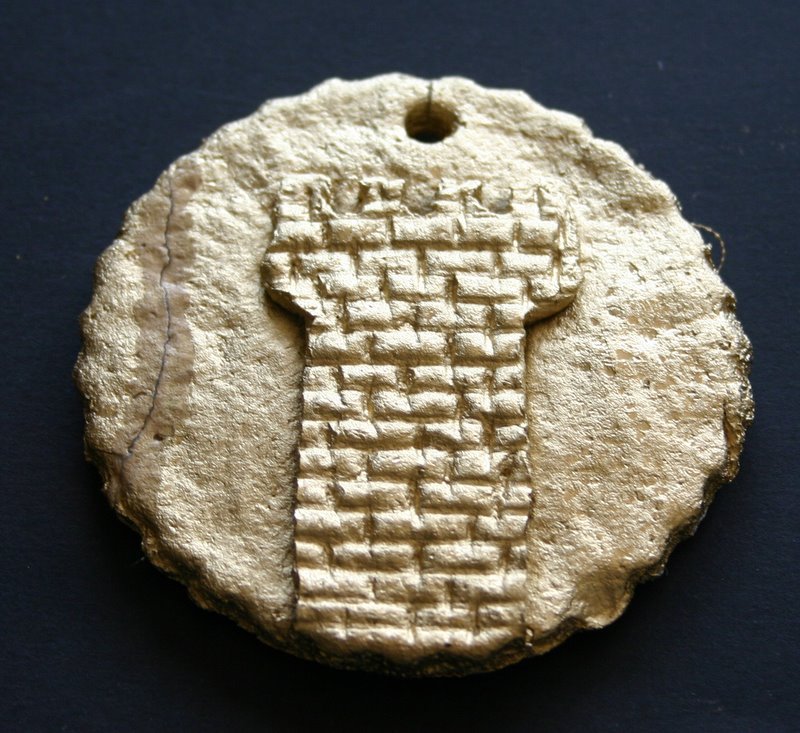
Day 18 Habakkuk (His watchtower) Already dropped and broken and we haven't even got it on the tree yet!! More salt dough.

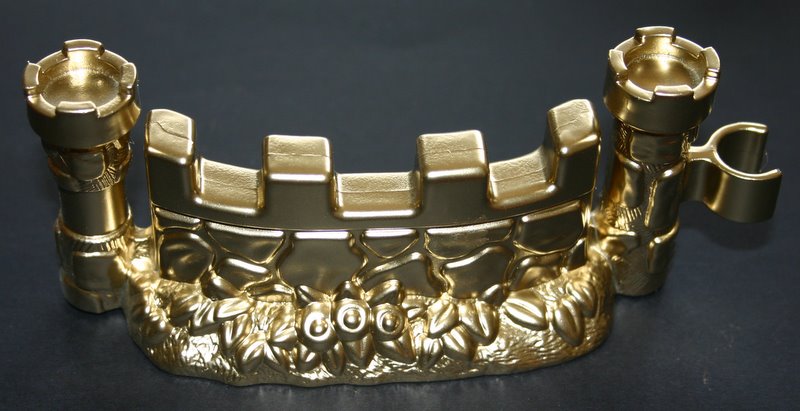
Day 19 Nehemiah (Rebuilding the city wall) A previously useless gate from a plastic doll's house - perfect for this.

Day 20 John (baptizing in the river) Think laterally!

Day 21 Mary & Elizabeth (Messenger angel) It's impossible to find male angels!

Day 22 Zechariah (Tablet and stylus) The modern day version.

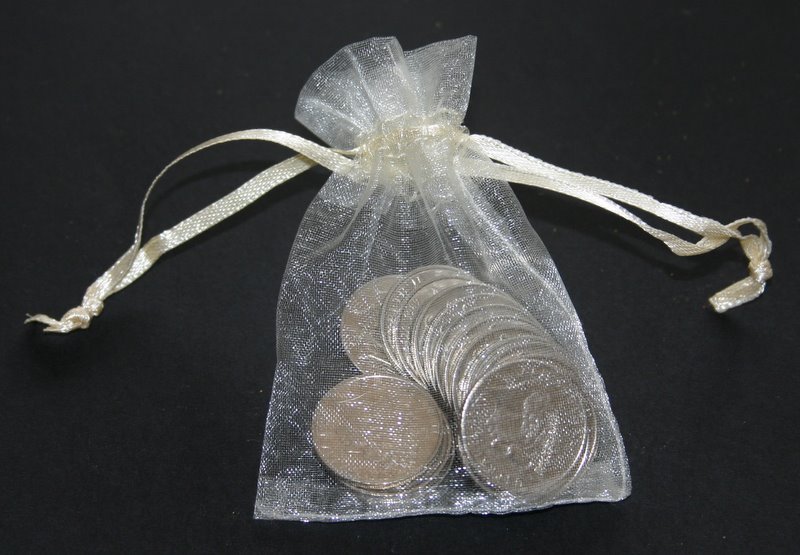
Day 23 Joseph (Loves and marries Mary) The rings are wedding favours that come in bags of 50.

Day 24 Magi (3 Wise Men's gifts to Jesus)

Day 25 Jesus' birth (Star of Bethlehem) There are 2 readings and 2 symbols today - the second symbol is tree lights which are turned on to represent the light of Jesus now shining in the world.

Christmas Gifts: Giving tools not toys.

Are your children’s bedrooms cluttered with plastic junky toys? Do you wrack your brains each Christmas trying to come up with gifts that are well made, will last and won’t add to that pile of clutter that they really don’t need? ‘Tools not toys’ is an excellent motto that we have tried to implement in our family.

So what are tools? In the words of Jill at the Sonlight Blog“Tools will encourage imagination, develop large and small muscles, and should get the child outside daily. Tools will stand the test of time, can usually be passed down from child to child in a family, and have a lot of play value.” Many traditional toys fall into this category as well as real tools such as those that you would find in a toolbox. Jill has an extensive list of tools for children at the Sonlight blog that is well worth a look.

She describes toys as “Anything that has batteries or makes noise that drives a mom crazy, if it is meant for the child to watch it rather than interact with it ….  anything that is cheap plastic and will break easily…. anything that is meant as an entertainment.”

Our children do have and receive toys that are definitely simply for entertainment value, but we choose to put our money into the more long-lasting, useful and educational toys that sit more in the tools category.

One specific idea we have implemented in the past is to give the boys toolboxes filled with tools as gifts for Christmas or birthdays and add items to these collections throughout the years. One aim of the toolbox idea is that the boys will learn to use the tools as they work alongside their Dad’s to tackle household maintenance and projects. We hope they will eventually leave home well kitted out to be able to attack the handyman tasks around their own houses, both in tools and skills learnt over the years.

Other tools we give are sporting equipment, handiwork and craft sets and equipment, imaginative toys,  books, wooden toys etc. Again, check out Jill’s quite extensive ideas list for inspiration.