


Every child who is old enough to participate in even the smallest way has chores in our family. We view chores as a way of fostering an “others centered” attitude, rather than a “self-centred” one. Chores are seen as a way for children to be involved and invested in our family and to understand that we work together to serve and help each other because we are Pascoes and we are blessed to have the family that God has given us.
We also assign chores to develop personal responsibility which we value as an important character trait. What parent does not want to raise a responsible child? Chores are one way to foster this and it is for this reason that we refer to them as responsibilities. Children are asked “Do you have the freedom to come to the breakfast table” or “Are your responsibilities complete?” to keep the awareness on the character that we are developing.
The children are not paid for the chores that they do, they are simply an act of service that helps our family and are completed because we all work together. Children tend to value what they spend their time on and we want them to invest in this family and value being a part of it. They also do not receive pocket-money. Now, I can hear you all exclaiming that they need to learn to manage their money and how to be good stewards and how will they do that if they don’t get paid?
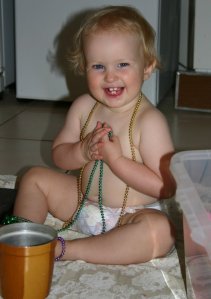
 (Yes, she is using a dirty floor cleaning cloth; but it’s the thought that counts!)
It is our opinion that children will value and manage their money responsibly when they have earned it themselves through labour. They need to understand that if they want something they need to work for it and that there is a direct correlation between the amount of work they do, the amount of money they earn and the amount of “stuff” they can then buy. A child who has cleaned windows, vacuumed out cars and pulled weeds to earn enough money for the latest Lego set, will in turn place a high value on that Lego set. They will also then have some idea how much work goes into purchasing the items that they already own or are given and will have a greater respect for their property and the property of others. Money that is earned is shared into 4 money boxes titled tithing, wealthing, saving and spending. 10% for tithing, 10% for wealthing, 10%for saving and the rest in spending or whichever one they choose.
When a bucket of weeds equals $1.00 and the doll they long for costs $30.00, a child who has worked to earn their money will be doing quick addition sums in their head as they place a value on that doll. Hmmm, that doll equals thirty buckets of weeds; perhaps I’ll be content with the 3 dolls I already own. Wise money management!!
Jobs to earn money are always available and are given what we feel is a reasonable rate of pay. Enough so that they can feasibly save up for an item, but not so much that the effort required is negligible. At the moment, the jobs that are available for earning money are collecting snails from the garden, weeding and washing and vacuuming out the car. I accidentally overpriced the snails at 10 cents each the first time, thinking that the children would have to really spend time hunting them down and it would be quite an effort to gather a large amount. In only 20 minutes, the three eldest collected enough snails to cost me $15.70!! Ouch! Snails were subsequently re-priced the following day.
Below are some ideas of the kind of responsibilities (chores) that children may be assigned, remembering that these are the day-to-day acts of family service that do not have a monetary value attached to them. When you are assigning chores, there must be a training process for children to be able to successfully complete their tasks to an acceptable standard. More on that another day.

Obviously all the chores listed below in a younger age category can be given to an older child, although I haven’t repeated the same ideas in each older age group. These ideas are just a start; you will be able to think of others that suit your unique family situation. You may also need to introduce certain chores at a later age or could introduce more difficult chores at an earlier age, depending on your children.
|
Responsibility (Chore) Area |
1-2 yr olds |
| bedroom/play areas | help Mum pack away toys after play, beginning with play pen |
| bed | (once in big bed) PJ’s under pillow, pull up sheets & doona with help |
| dressing | |
| dirty Clothes | put dirty clothes into hamper |
| washed laundry | pass wet clothes to adult to hangPut pegs away when taking washing off line |
| folding | find matching socks, deliver simple items (eg bibs to kitchen drawer) |
| food preparation | share given items between plates |
| setting/clearing table | put out placemats, coasters, cutlery, unbreakable cups and dishesClear own dishes, push chair in |
| dishes | empty cutlery from dishwasherdry unbreakable dishes (towel system) |
| rubbish | put rubbish into bin on request (not without permission) |
| bathrooms | put out fresh towels & face washer |
| toilets | nappy in bin |
| floors | pick up for person sweeping/mopping & replace items afterwards |
| outdoor/garden | tidy outdoor toys |
| deliveries | deliver given items to their place (e.g. bib to dirty clothes basket) |
| misc | open curtains |
|
Responsibility (Chore) Area |
2-5yr olds |
| bedroom/play areas | pack away own toys/equipment after play, tidy own bedroom |
| bed | make bed & strip bed sheets (take to laundry) |
| dressing | get dressed into clothes chosen by Mum |
| dirty Clothes | take all dirty clothes baskets to laundry & empty, sorting dirty clothes into light and dark loads |
| washed laundry | peg items onto clothes horse & bring in dry washing from clothes horse |
| folding | learn to fold all washing, starting with simple items such as t/towels and face washers. Put away own folding |
| food preparation | kitchen helper (e.g. measure ingredients, stir mixture, wash salad veg, peel veg etc.)fill water glasses |
| setting/clearing table | set table with crockery, clear all table items, wipe table, place mats, scrape plates, stack dishwashersweep under table after meals, wipe backs of chairs, spray & wipe kitchen cupboard doors, splash backs |
| dishes | wash unbreakable & sturdy dishesdry all dishes (bar sharp items etc.) unpack dishwasher (barring large breakable items) |
| rubbish | empty rubbish bins from bedrooms and bathrooms |
| bathrooms | wipe bathroom sinks/benches/bathreplace towels |
| toilets | replace toilet roll, restock spare rolls, spray and wipe toilet seat and button |
| floors | dust bust small areas, moving on to sweeping & vacuuming floors |
| outdoor/garden | water pots & garden plantspull weeds (supervised) |
| deliveries | empty delivery basket daily |
| misc | feed pets, wash and refill drinking waterspray and wipe door knobs, light switches, fingermarks off walls |
|
Responsibility (Chore) Area |
5-7+ yr olds plus |
| bedroom/play areas | tidy assigned areas/rooms of the house |
| bed | strip & re-make bed |
| dressing | choose own clothes as directed by parent (e.g. put on round the house shirt & shorts) |
| dirty Clothes | load washing machine (check pockets) |
| washed laundry | hang out and bring in full load of washing |
| folding | fold and put away all kinds of washing |
| food preparation | full meal & snack prep under supervision (barring hot areas)independently bake a cake, put bread on in a bread maker etc |
| setting/clearing table | sweep/vacuum/mop meal areas |
| dishes | wash and dry all dishes (bar sharp knives etc.) |
| rubbish | take kitchen rubbish out & replace bin bags |
| bathrooms | full bathroom and shower clean |
| toilets | full toilet clean |
| floors | sweep/vacuum/mop floors (divide house into zones) |
| outdoor/garden | sweep sandpit spills, patiorake leaves, yard work, water larger areas |
| deliveries | |
| misc | clean up after animals wash pet bowlsclean windows, mirrors, TV & computer screens |
Mel Hayde’s Book “Terrific Toddlers” at US Book Depository has some information about introducing chores with toddlers and the excellent book is “What Every Child Should Know Along The Way” at Amazon or Growing Families Australia is another great resource.


Filed under: Organization & cleaning | Tagged: chores, cleaning, family identity, jobs, managing large families, organisation, pocket-money, responsibility, team work | 3 Comments »


 angathome