Routines: Playpen time

What is playpen time?

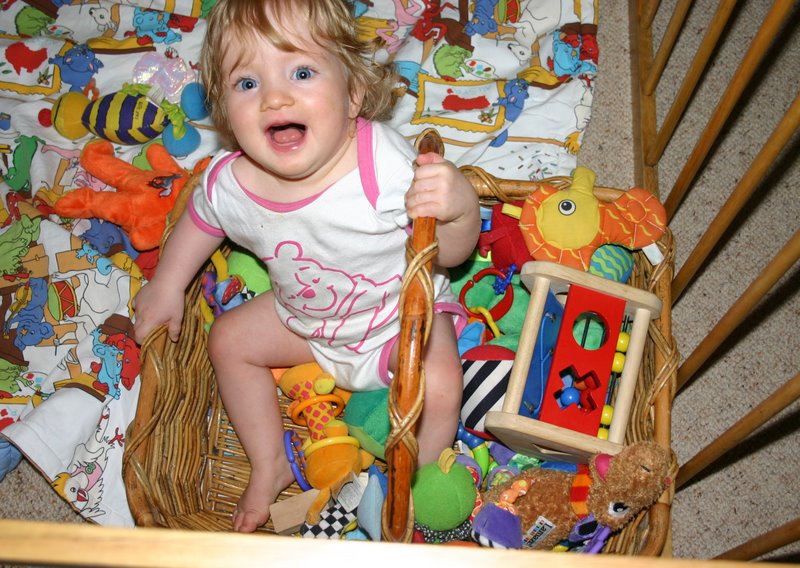
Time when a baby or young child plays in a safe environment within a set boundary with a selection of age appropriate toys for a set amount of time.

Why have playpen time?

Playpen time is introduced as a regular part of a flexible daily routine. Independent playtime away from all other distractions teaches a child how to focus and concentrate on a few selected items, rather than flitting from one activity to another. It teaches them to be content on their own and to know that it is ok to be separated from Mum for a short time – that she will come back. It alleviates the separation anxiety many young children feel when Mum leaves the room because they know through experience that she will return and they will be ok.

Playpen time provides you as a parent with a period of time where you can take a shower, complete some of your own responsibilities or homeschool older children – all the while knowing that your younger child is safe and happily playing with their own toys.

How do I introduce playpen time?

Ideally, introduce playpen time from before your baby can even crawl. (See tomorrow’s post on starting late.) An emotionally healthy baby can lay or sit for a short period of time happily focussed on their own toys in a secure and safe environment. Make it a part of your daily routine, a couple of times a day for 10 or 15 minutes right from a very young age. If you wait until they can roll and crawl to get where they want and then suddenly impose a barrier, baby will be frustrated and let you know. If they are used to spending some time in a playpen every day it will simply be something they expect and happily participate in.

Obviously babies need lots of time with Mum and other family members, cuddles, attention and the like – I am not advocating using a playpen continuously throughout the day. It is for planned periods of time and for a reasonable length of time.

Where?

Somewhere that you can check on your child regularly, but where they cannot see you. Somewhere away from the traffic flow of the house. When siblings or others walk by, a child’s attention is diverted from what they are doing and they will swiftly become discontent with being there. If they see you check in on them, they will likely cry for your attention and want to get out, whereas once settled an uninterrupted child will happily focus for an extended period.

When do I use it?

When your child is well fed and well rested and at a consistent time each day. Make it a part of your routine so that the child begins to know what will happen throughout the day and is happily ready to go in when that time comes.

Toys

Choose a small selection of toys. Too much choice means that children will not focus on any one item but swap and change from one to another. Ensure that toys are age appropriate; not too easy or too difficult for them to use. If the toys are not interesting to the child, playpen time will be a struggle. Rotate toys so that there is regularly “new” toys to enjoy.

I sort my baby and toddler toys into several plastic crates – one for each day of the week. This way, I don’t have to go though wondering what to put in today – I simply put in the next crate. It also means they only see the toys once a week so they are fresh and interest stays high. When I only had one child, I didn’t have as many toys as I do now so rotating was harder, however I will be adding lots of ideas of toys to make for toddlers and babies so check out those blog posts for ideas. You could also swap toys with friends or join a toy library.

Toy storage

Do not expect children to pack toys in to bags or boxes, it is too fiddly and time-consuming. Open baskets and crates are best as toys can quickly and easily be plopped inside. Large toy boxes are also not a good idea as all the toys get jumbled together, pieces are all mixed up and it is very difficult to quickly pull out a good selection for playpen time.

I have a mental list of categories to help me ensure a good selection of toys which varies according to the age of the child:

(For babies) Something to:

  • mouth or cuddle (favourite teddy or any suitable baby toy)
  • look at (stimulating cardboard books, fabric books, photograph books)
  • listen to (music makers, squeakers)
  • feel (texture related toys)
  • kick or bat at (dangle toys, those that clip on the side of the pen)
(For toddlers) Something to:
  • read
  • push (vehicles)
  • stack
  • open and shut
  • touch and handle, tip or put into the containers (shells, rocks, pegs)
  • wear (hats, necklaces, bangles, scarves )
  • build or construct with (Mega-blocks, Duplo, magnetic blocks, stickle bricks, train tracks)
  • pretend play with (teddies, dollies, bottles, dishes, cups, clothes, food)
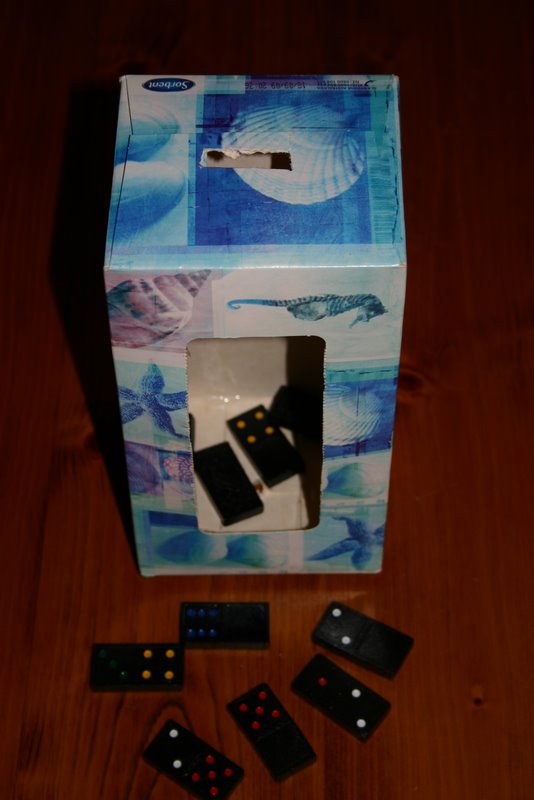
  • post (a hole in the top of a small cardboard box with something to post like noodles, blocks, pipe cleaners, straws or pegs)
  • practice with (I wander through the house looking for items they are currently interested in like hair brushes, hats, shoes, cleaning cloth, tea towel, hair clips)
  • solve – puzzles (beginner peg puzzles)
  • make music or noise with (maracas, clappers, drums or other percussion, pots and pans or battery operated toys)
Toddlers plus:
See this post on room time.
Packing away

Teach your child to pack up right from the first use of the playpen. Initially it will be you packing away with them watching. Encourage them to help you put the toys away, perhaps placing a small item in their hand and guiding it to the basket and thanking them with a big smile for helping Mummy pack up. It won’t take long for them to understand what you want them to do and you can gradually pull back on the amount of packing you do until the child is completely responsible for this task themselves.

Several of my children have been heard to vigorously start throwing toys back in the crate without me telling them to do so – a very clear sign that in their opinion playpen time is done! While this is very cute, it is important that they realise Mum decides when playpen time is done, not them, or they will simply pack their toys away after a few minutes and expect to come out.


Felt boards

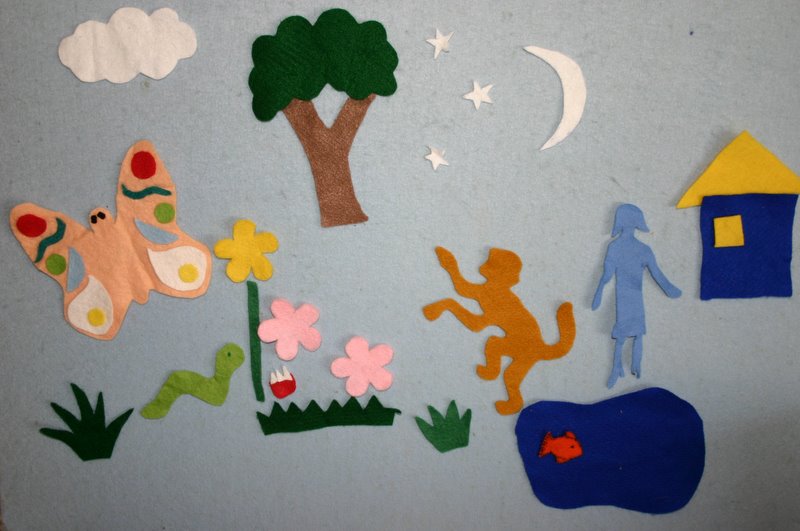
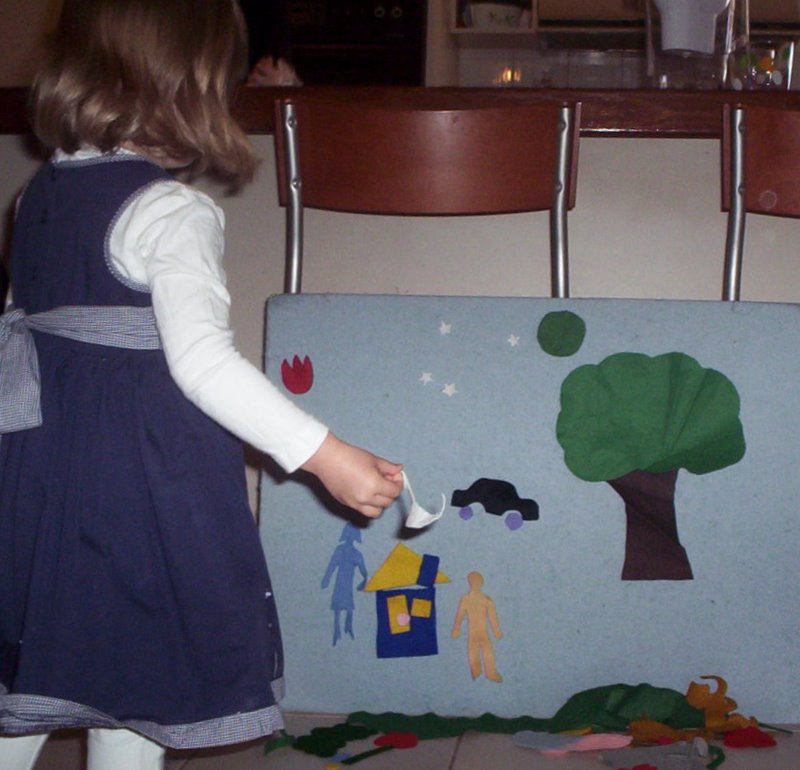
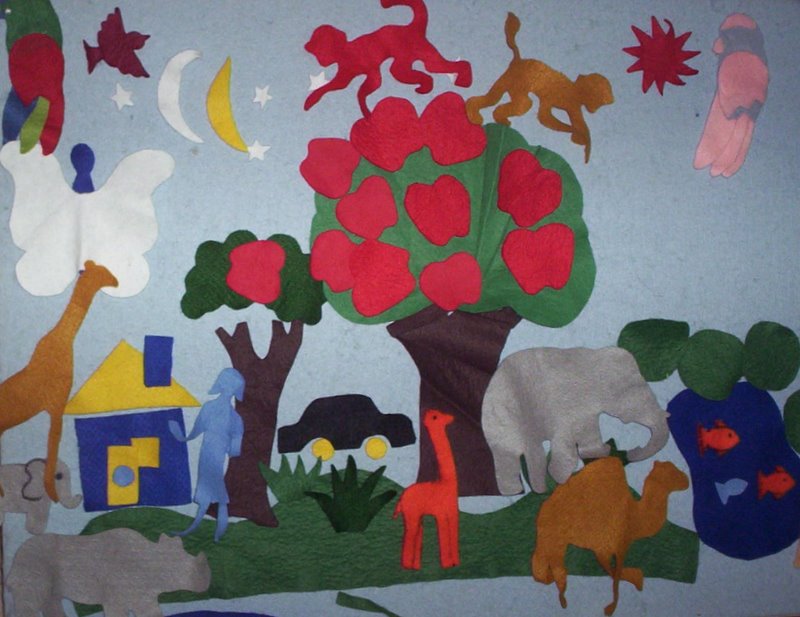
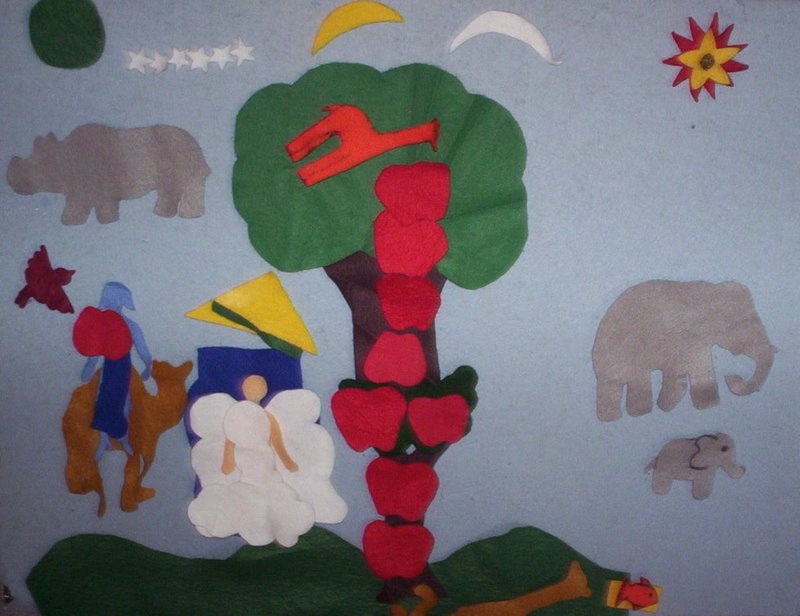
Felt boards are an excellent independent activity. They make great table activities (although usually they use it up against the wall rather than actually at the table) and if you have a small version can also be used for highchair time. They require no special skills and are completely open-ended. Language development is enhanced as children create and tell their own stories using the pieces provided and they will keep a child’s attention for an extended period of time. The children in my family have enjoyed using the felt board and still choose to do so even as they grow older.

I made this felt board at Uni as a mini assignment and almost failed because the lecturer thought it was too big to be easily portable!! Now I use it all the time and love the fact that it is large enough for one child to set up a large scene or even for two children to play side by side.

To make a felt board, all you need is a very light piece of plywood or very strong piece of card. Box card is no good as it usually has corrugations and will tend to crease along these. Mine is strong card and has stood the test of time, although the corners are getting a little dog-eared now. If I was making it again I’d go for thin, light wood. Buy a large enough piece of felt to cover the board, with enough overlap to stretch around and glue (hot glue gun is ideal) to the back.

Use your imagination to cut out any number of felt shapes. You may like to have a mixture of animals, people and recognizable characters, as well as an assortment of shapes for building houses, gardens and whatever the child thinks up (i.e. squares, circles, triangles, grassy clumps, stems, petals, tree trunks, leaves, circles for flower centres etc. The possibilities are endless)

Basic colouring books are a great source of simple shapes that you can trace and transfer onto the felt pieces to cut out. I also have several sets of felt figures that go with specific stories which allow the children to re-tell these favourites to themselves.

It is helpful to have the board on a slight lean to help the pieces to stick and some people even stick Velcro dots (hook side) on the back side of each piece for extra grip.

That’s it! Easy to make and hours of play for your child. As with most of these activities, start simple. Put out a few basic shapes to begin with, or just the garden pieces, or animals and fences etc. Older children like to have them all at once and create complicated scenes but the toddlers will be more focussed with less to choose from and rotating pieces to keep their interest levels high.

Toddler and table activities: Playdough


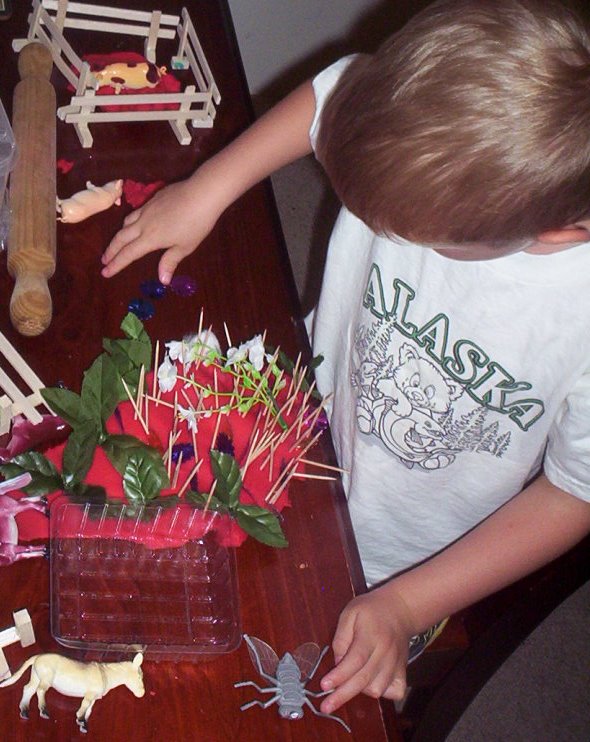
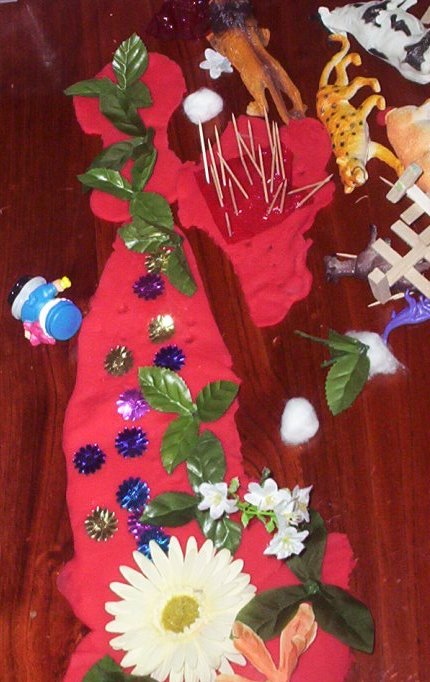
Playdough is a timeless activity that is loved by children of all ages. Whether you buy commercial playdough or make your own, it is an open-ended activity that is suitable for a variety of ages. With the addition of a few new accessories every now and again interest will stay high and children from toddlers upwards will have a ball. I even know a Mum or two who like to get in there and do some modelling of their own!

The highchair is a good place for playdough as the mess is easily cleaned up. A child getting up and down from the table will have dough mashed everywhere. Do not leave the dough out in the air when it is not in use. If it is re-wrapped in a plastic bag and stored in an airtight container it will last for ages. In really hot weather it may need to be stored in the fridge. My last home-made recipe batch would easily be 6 months old and still soft. I have had some batches last almost a year.

One of the biggest readiness factors for playdough is whether your toddler has developed the self-control not to eat it! I make my own so I know at least there is nothing harmful in it, however gobs of salty dough can’t be that good for them so until my children are generally able to resist the urge to put it in their mouth I refrain from letting them use it. (I say generally because surprisingly even an older child will occasionally be caught with that giveaway playdough eating smile!)

Initially, just the experience of touching and squeezing the dough, flattening and pulling it apart and so on will be interesting. Keep it simple and introduce new accessories only when interest has waned and then only one or two items at a time. Biscuit cutters are not very successful until the child has the dexterity to roll out the dough and press the cutter into it – a surprisingly difficult task for a toddler. If you are sitting and playing together with the child they will probably enjoy this but will not be able to do it alone. Store accessories in small containers and rotate to keep interest levels high.

Here is the recipe I use. I couldn’t tell you where it came from but it is a great recipe. Cooked dough always lasts longer than cold mixtures but it does make a mess of your pots. Choose a very large pot, and stir continuously throughout the process. It starts off very liquidy and nothing happens for a while, but once the dough begins to form it will solidify quite quickly. I usually enlist my husband’s help towards the end as it gets very difficult to stir once the dough is forming. Keep going until the dough has lifted away from the edges and there are no wet looking patches left. When you have finished, tip the dough out to cool and fill the pot with water. If you leave it overnight to soak, the next day it will all just lift off. If you try to scrub it clean you will be there for ages.This I know from experience!

Playdough

4 cups flour
1 cup salt
2 tbsp cream of tartar
1 tbsp oil
3 cups water
food colouring – add to water.
  • Mix dry ingredients before adding wet.
  • Heat in saucepan and stir continuously over low heat until a large doughy ball forms.
  • Turn out and roll in a little flour if sticky.
  • Allow to cool. Store in the fridge in an airtight container.

Below is a suggested list of items to add to the dough, beginning with the first toddler introduction and on through to any age child. The order isn’t important, although toddlers are fairly limited as to what they can do alone so I usually stick to this order to begin with. Older children will use whatever is of interest to them.

Toddlers:

  • plain dough
  • dough with glitter in it
  • a bunch of popsticks to poke into it
  • coloured craft matchsticks, also for poking
  • cotton reels, corks, film canisters, lids and other random bibs and bobs
  • plastic farm animals, fences and trees
  • dinosaurs and plastic eggs
  • plastic sea creatures and boats
  • shells
  • plastic bugs and rocks
  • artificial flowers
  • cars and road signs
  • plastic or lightweight hammers
  • rolling pins
  • biscuit (cookie) cutters
  • plastic plates, spoons and cups. (Do not give these to a child who is already tempted to eat the dough!)
  • playdough stamping tools
  • garlic press
  • many other store-bought playdough accessories

Toddler activities: Tissue box posting


This is a very quick and easy toddler activity to put together and all for free! All you need is an empty tissue box and something to post. Most of us have something lying around that will do; pegs, long Duplo blocks, cutlery, old credit cards, dominoes, popsticks or whatever you can find.

Make sure that the material does not pose a choking hazard, demonstrate what to do and let them at it! For the younger child, simply make the posting hole larger. An older toddler will enjoy the challenge of having to place the item in exactly the right position to get it in.

A great activity to use for mat time, playpen time, or even highchair time if the child is tall enough to be able to see the top of the box.

DESCRIPTION:

  • posting given object (in this case dominoes) through a slot in the top of a tissue box.

CATEGORY/SUBJECT AREA:

  • practical life – posting

CONCEPT/SKILL:

  • fine motor development; hand-eye coordination
  • concentration and focussing skills

EQUIPMENT & MATERIALS:

  • tissue box
  • dominoes or alternative material to post (pegs, long Duplo blocks, cutlery, old credit cards, popsticks etc.)

Please see my pages titled “Workjobs and Learning Styles” and “Brief Montessori Overview” for more information.