Outside activities: Water play

The warm weather continues, which in some ways is wonderful and others not so much! Instead of enjoying outdoor time, my children start pressing themselves up against the glass sliding door and asking to come inside where it’s cool. Time to bring out the water play. We bought this water table secondhand for $5 last year and it definitely was a bargain. All the children, even the toddlers, enjoy standing around it and getting thoroughly soaked as they play with the sand toys in the water.

I like to use outdoor time to get some of my own responsibilities completed, so all water play needs to be set up so that it is safe – no deep containers for children to fall into. The swimming pool and slide etc. does not come out at these times – that needs high level supervision. I do keep an eye on the children but, as I am not right next to them, water levels are kept to a minimum. The water table is ideal as it is up high and only holds a few inches of water.

Before we owned it though, water play was just as enjoyable. We used the lid of a clam shell sandpit and filled it to a shallow depth (about an inch) and the littlies could sit in it and play – double the wet fun. The older children prefered containers like buckets and tubs filled to a deeper level so I put these up on benches away from the little ones. While I do not expect the older children to take on the responsibility of supervising their brothers and sisters around water, the fact that they are playing there means there are several pairs of eyes on the situation, including mine. I know I will be called very quickly if a toddler starts trying to get into the deeper tubs – particularly as it interrupts the older children’s games!

Babies and toddlers are happy with just a couple of containers of water to splash about in but as the main game seems to revolve around tipping the water out again, you or an older child needs to be available to constantly refill their containers. The bigger children don’t mind scooping a saucepan of water out of their tub over and over again as they have the freedom to access the hose and refill it to the agreed level as required.

If you can stand the sandy mess, add the water play to the sandpit and you won’t hear a single complaint for hours! Nothing much is better for young children to keep busy in than water and sand. When it’s time to come in, I just stand them in a line and hose them all down before sending them in for proper showers and baths.

Routines: Table activity ideas

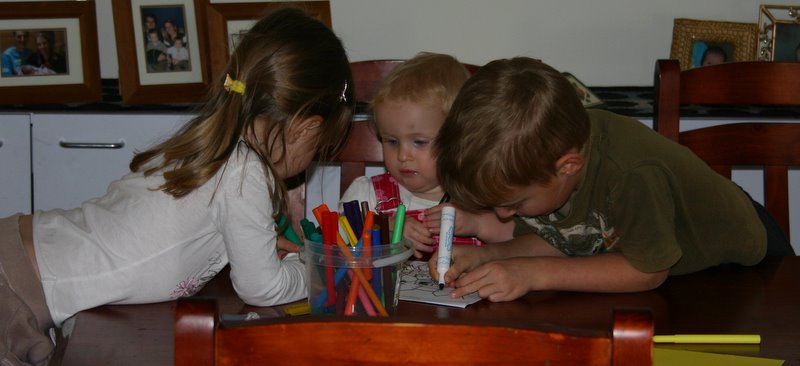
Following on from my post on table activities, I thought it might be helpful to include some ideas of the kinds of things I give my children to do at table time. The toddlers sit in their highchairs to do theirs (see highchair activities) and the older children sit at a variety of tables and occasionally on the floor.

  • Drawing
  • Playdough
  • Stamping (stamp pads and ink stamps)
  • Lacing, threading or beading
  • Puzzles
  • Books
  • Felt board
  • Construction toys
  • Pattern blocks
  • Contact collage
  • Water colour painting
  • Paper craft
  • Sticker books
  • Tea sets and teddies
  • Finger puppets
  • Mini whiteboard and eraser
  • Small chalk board and duster
  • Peg boards
  • Board games
  • Tap tap
  • Scrapbooking
  • Contact pictures
  • Dot-to-dots
  • Mazes
  • Magnadoodle
  • Colour-by-number
  • Stencils

I like to keep table activities separate from our other activities for a couple of reasons:

  • the children only use them during table time, which keeps interest levels high
  • they do not request activities that I do not want them to do at this time; those they may choose from are already set aside for this purpose
  • when I am choosing activities for the toddlers and younger children I don’t have to think of what to get or wander around looking for inspiration, I simply open the cupboard and choose from the selection there, rotating through those that are appropriate
  • the children have ready access and can pack up after themselves
Another time that we find table activities very useful is when we have visitors. We love having friends and family around but the children do get very excited. After some time to talk and play with the visitors (depending on who it is of course) I often direct the children to get out a table activity. It provides a focus, quiets down the excited behaviour and allows the adults to have a conversation. Sometimes Grandparents or other visitors will do the activities with the children (which of course they love) but we find it just gives them a great way to be around the adults and interact appropriately without dominating the entire evening.

Choices

Why do we need to teach our children to obey? The first reason for me to do so as a Christian is that God’s word tells me to:

Ephesians 6:1-3 Children obey your parents in the Lord for this is right. Honour your Father and your Mother, this is the first commandment with a promise.

Also, I believe that children who are taught to obey their parents are more likely to obey God as well. If a child cannot submit to the authority of their parent, how will they learn to submit to God’s authority in their lives as they grow?

If you are noticing many occasions during the day where you are having problems with a child who is reluctant to obey, whinges and whines while they obey or flat-out tantrums when they don’t get their own way, you may have a child who is becoming “wise in their own eyes.”

A child who is given too many choice begins to imagine that they are in charge and will question your authority in unpleasant ways during the day.

Have a think back over one of your typical days. Keep a look out for every single choice you are allowing your child. Who chose:

  • when to get up?
  • what to do when they did get up?
  • which clothes and shoes?
  • which cup and plate?
  • what food for breakfast?
  • what activity after breakfast?
  • which book for story time?
  • where to sit for story time?
  • when to go outside?
  • what to do outside?
  • when to come inside?
  • what to watch on TV?
  • which toys to have in the bath?
  • where to sit for dinner……
The list is endless and these are just a few examples. Are you making these seemingly small choices for your child or are they making them for you? Choices are closely linked with freedoms. The freedoms and choices a child is given should be in harmony with their age and moral and intellectual ability. A toddler is not able to handle the same freedoms as a preschooler, who is in turn not equipped to handle the freedoms and choice an older child can cope with.
Freedom and choices should be granted as the child ages and shows that they have the maturity and responsibility to make good choices and to use their freedom well. As moral responsibility is demonstrated,  more and more freedoms are granted until they reach young adulthood and are making almost all of their own choices and decisions.
As a rough guide, it is around the age of 3 that children are ready to make some choices (e.g. jam or peanut butter?) with freedoms gradually increasing from there. A 5 or 6 year old is ready to make more choices in their day and should be able to make appropriate choices because of the modelling you have been giving them over the previous years which shows them what good decision-making looks like.
This is not to say that a younger toddler can never have a choice, it just should not be a day-to-day, all day pattern of behaviour.
How do you know if your child is “addicted to choice?” Simply take away all choices for a day and observe what happens. If the child graciously accepts your decision-making then they are probably ready to handle those decisions themselves.
Be aware though, that a toddler who has had a lot of freedom with too many choices will initially have a very bad reaction to this loss of choice and behaviour will most likely be quite difficult for a couple of days. If you are calm and consistent and continue to make all the choices for your child they will actually be much happier and calmer in the long run too.
The concept of being “wise in your own eyes” comes from “On Becoming Childwise”  which is an excellent resources for parenting your 3 to 7 year old. It includes information on choices, freedoms, routines,  and many other parenting issues:
On Becoming Childwise: Parenting Your Child from 3 to 7 Years
Mel Hayde in her book “Terrific Toddlers” covers choices and gives extensive information on how to set up a toddler’s day. My favourite book for 18 month to 3 year olds.

Routines: Playpen time – Toys and starting late

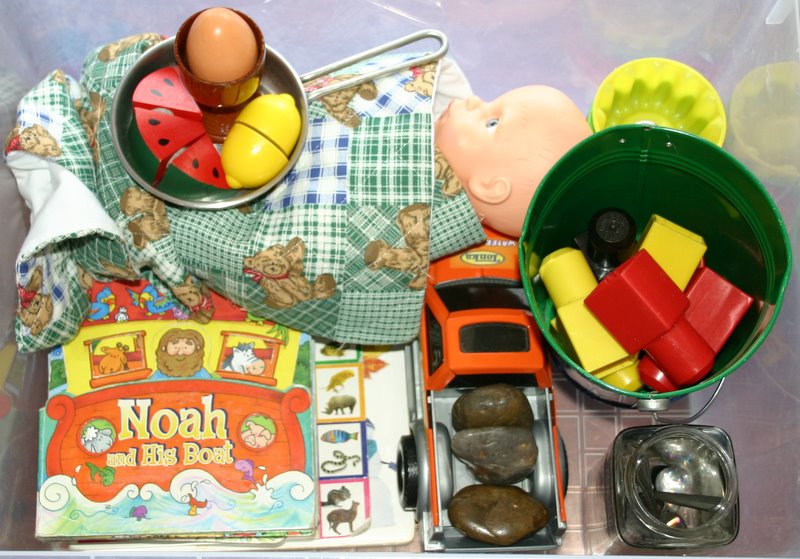
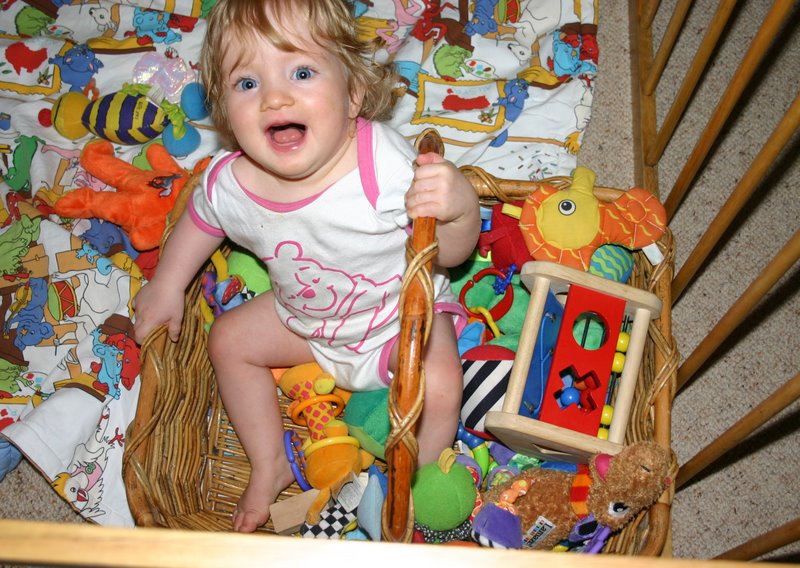
An example of my playpen ready for playpen time. An attractive selection of age appropriate toys - not too many - of different types.

My toys are stored in plastic crates so that a good selection of toys of a variety of types are all ready for me to pop into the playpen. Crates are rotated from day-to-day so that interest in the toys presented stays high for quite some time.

For those of you who have older babies or toddlers who have not yet been introduced to playpen time, here are some notes on starting late.

Starting late:

For a baby or toddler who has had a lot of freedom, the transition to a playpen can take a little time.  Make sure it is a good time of day to begin (not when they are hungry or tired) and start will a small increment of time – even 5 minutes. Put in a small basket of toys, or a toy or two in each corner of the playpen, instruct the child that they need to play here and that Mummy will be back to get them in a little while.

Yes, they probably will cry and that’s ok. If you are consistent and stick with it, your child will come to play happily for this time. You may like to play a CD or favourite book on tape, letting you child know that they can come out when the CD or story finishes or set a timer and tell them that playpen time will be finished when the timer beeps. Having a cue of some sort to signal the end of playpen time is helpful in the training period because it lets the child know that it is the signal, not their crying, that has decided playpen time is over for the day.

Start with the small increment of time and stick to it, coming in immediately once the signal sounds (timer beeps etc.) and with a happy face and positive tone say something like “Playpen time is finished, you can come out now.” A well fed, well rested child, with age appropriate toys is not harmed in any way by a little time in the playpen, in fact it actually helps them to develop those all important concentrating skills that will enable them to learn so many important things later.

Initially, have playpen time 2 or 3 times a day for 5 minutes. Once your little one is used to spending this short period of time in a playpen, gradually start to extend the time. Once they are spending longer blocks of time in the playpen, reduce the number of times in a day you use it to two and then once a day. By around 12 months all of my children would happily play in the playpen for around 45 minutes which extended to an hour by the age of 18 months. I have watched them examining objects with intense concentration, seen the cogs ticking as they use it in different ways and investigate everything about it. Babies and toddlers often do not do this for longer than a few moments unless you create situations that foster this skill.

Once a child is characterised by happily spending time in a playpen then on odd days you can make exceptions when they are not happy eg. extra tired, sick etc.

Although you may be thinking “My boisterous 12 month old will never do that” let me encourage you that they will. There will certainly be a transition time involved, however if you are consistent, playpen time will be a pleasant time for you both.

Introducing playpen time as part of a daily flexible routine will greatly improve the success you have with it. Trying to implement one planned moment in a day of chaos and unlimited choices for a child will be very difficult.

Routines: Playpen time

What is playpen time?

Time when a baby or young child plays in a safe environment within a set boundary with a selection of age appropriate toys for a set amount of time.

Why have playpen time?

Playpen time is introduced as a regular part of a flexible daily routine. Independent playtime away from all other distractions teaches a child how to focus and concentrate on a few selected items, rather than flitting from one activity to another. It teaches them to be content on their own and to know that it is ok to be separated from Mum for a short time – that she will come back. It alleviates the separation anxiety many young children feel when Mum leaves the room because they know through experience that she will return and they will be ok.

Playpen time provides you as a parent with a period of time where you can take a shower, complete some of your own responsibilities or homeschool older children – all the while knowing that your younger child is safe and happily playing with their own toys.

How do I introduce playpen time?

Ideally, introduce playpen time from before your baby can even crawl. (See tomorrow’s post on starting late.) An emotionally healthy baby can lay or sit for a short period of time happily focussed on their own toys in a secure and safe environment. Make it a part of your daily routine, a couple of times a day for 10 or 15 minutes right from a very young age. If you wait until they can roll and crawl to get where they want and then suddenly impose a barrier, baby will be frustrated and let you know. If they are used to spending some time in a playpen every day it will simply be something they expect and happily participate in.

Obviously babies need lots of time with Mum and other family members, cuddles, attention and the like – I am not advocating using a playpen continuously throughout the day. It is for planned periods of time and for a reasonable length of time.

Where?

Somewhere that you can check on your child regularly, but where they cannot see you. Somewhere away from the traffic flow of the house. When siblings or others walk by, a child’s attention is diverted from what they are doing and they will swiftly become discontent with being there. If they see you check in on them, they will likely cry for your attention and want to get out, whereas once settled an uninterrupted child will happily focus for an extended period.

When do I use it?

When your child is well fed and well rested and at a consistent time each day. Make it a part of your routine so that the child begins to know what will happen throughout the day and is happily ready to go in when that time comes.

Toys

Choose a small selection of toys. Too much choice means that children will not focus on any one item but swap and change from one to another. Ensure that toys are age appropriate; not too easy or too difficult for them to use. If the toys are not interesting to the child, playpen time will be a struggle. Rotate toys so that there is regularly “new” toys to enjoy.

I sort my baby and toddler toys into several plastic crates – one for each day of the week. This way, I don’t have to go though wondering what to put in today – I simply put in the next crate. It also means they only see the toys once a week so they are fresh and interest stays high. When I only had one child, I didn’t have as many toys as I do now so rotating was harder, however I will be adding lots of ideas of toys to make for toddlers and babies so check out those blog posts for ideas. You could also swap toys with friends or join a toy library.

Toy storage

Do not expect children to pack toys in to bags or boxes, it is too fiddly and time-consuming. Open baskets and crates are best as toys can quickly and easily be plopped inside. Large toy boxes are also not a good idea as all the toys get jumbled together, pieces are all mixed up and it is very difficult to quickly pull out a good selection for playpen time.

I have a mental list of categories to help me ensure a good selection of toys which varies according to the age of the child:

(For babies) Something to:

  • mouth or cuddle (favourite teddy or any suitable baby toy)
  • look at (stimulating cardboard books, fabric books, photograph books)
  • listen to (music makers, squeakers)
  • feel (texture related toys)
  • kick or bat at (dangle toys, those that clip on the side of the pen)
(For toddlers) Something to:
  • read
  • push (vehicles)
  • stack
  • open and shut
  • touch and handle, tip or put into the containers (shells, rocks, pegs)
  • wear (hats, necklaces, bangles, scarves )
  • build or construct with (Mega-blocks, Duplo, magnetic blocks, stickle bricks, train tracks)
  • pretend play with (teddies, dollies, bottles, dishes, cups, clothes, food)
  • post (a hole in the top of a small cardboard box with something to post like noodles, blocks, pipe cleaners, straws or pegs)
  • practice with (I wander through the house looking for items they are currently interested in like hair brushes, hats, shoes, cleaning cloth, tea towel, hair clips)
  • solve – puzzles (beginner peg puzzles)
  • make music or noise with (maracas, clappers, drums or other percussion, pots and pans or battery operated toys)
Toddlers plus:
See this post on room time.
Packing away

Teach your child to pack up right from the first use of the playpen. Initially it will be you packing away with them watching. Encourage them to help you put the toys away, perhaps placing a small item in their hand and guiding it to the basket and thanking them with a big smile for helping Mummy pack up. It won’t take long for them to understand what you want them to do and you can gradually pull back on the amount of packing you do until the child is completely responsible for this task themselves.

Several of my children have been heard to vigorously start throwing toys back in the crate without me telling them to do so – a very clear sign that in their opinion playpen time is done! While this is very cute, it is important that they realise Mum decides when playpen time is done, not them, or they will simply pack their toys away after a few minutes and expect to come out.


Toddler and table activities: Playdough


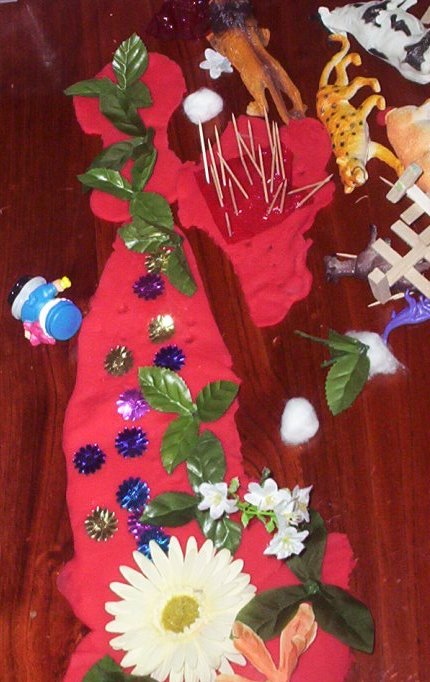
Playdough is a timeless activity that is loved by children of all ages. Whether you buy commercial playdough or make your own, it is an open-ended activity that is suitable for a variety of ages. With the addition of a few new accessories every now and again interest will stay high and children from toddlers upwards will have a ball. I even know a Mum or two who like to get in there and do some modelling of their own!

The highchair is a good place for playdough as the mess is easily cleaned up. A child getting up and down from the table will have dough mashed everywhere. Do not leave the dough out in the air when it is not in use. If it is re-wrapped in a plastic bag and stored in an airtight container it will last for ages. In really hot weather it may need to be stored in the fridge. My last home-made recipe batch would easily be 6 months old and still soft. I have had some batches last almost a year.

One of the biggest readiness factors for playdough is whether your toddler has developed the self-control not to eat it! I make my own so I know at least there is nothing harmful in it, however gobs of salty dough can’t be that good for them so until my children are generally able to resist the urge to put it in their mouth I refrain from letting them use it. (I say generally because surprisingly even an older child will occasionally be caught with that giveaway playdough eating smile!)

Initially, just the experience of touching and squeezing the dough, flattening and pulling it apart and so on will be interesting. Keep it simple and introduce new accessories only when interest has waned and then only one or two items at a time. Biscuit cutters are not very successful until the child has the dexterity to roll out the dough and press the cutter into it – a surprisingly difficult task for a toddler. If you are sitting and playing together with the child they will probably enjoy this but will not be able to do it alone. Store accessories in small containers and rotate to keep interest levels high.

Here is the recipe I use. I couldn’t tell you where it came from but it is a great recipe. Cooked dough always lasts longer than cold mixtures but it does make a mess of your pots. Choose a very large pot, and stir continuously throughout the process. It starts off very liquidy and nothing happens for a while, but once the dough begins to form it will solidify quite quickly. I usually enlist my husband’s help towards the end as it gets very difficult to stir once the dough is forming. Keep going until the dough has lifted away from the edges and there are no wet looking patches left. When you have finished, tip the dough out to cool and fill the pot with water. If you leave it overnight to soak, the next day it will all just lift off. If you try to scrub it clean you will be there for ages.This I know from experience!

Playdough

4 cups flour
1 cup salt
2 tbsp cream of tartar
1 tbsp oil
3 cups water
food colouring – add to water.
  • Mix dry ingredients before adding wet.
  • Heat in saucepan and stir continuously over low heat until a large doughy ball forms.
  • Turn out and roll in a little flour if sticky.
  • Allow to cool. Store in the fridge in an airtight container.

Below is a suggested list of items to add to the dough, beginning with the first toddler introduction and on through to any age child. The order isn’t important, although toddlers are fairly limited as to what they can do alone so I usually stick to this order to begin with. Older children will use whatever is of interest to them.

Toddlers:

  • plain dough
  • dough with glitter in it
  • a bunch of popsticks to poke into it
  • coloured craft matchsticks, also for poking
  • cotton reels, corks, film canisters, lids and other random bibs and bobs
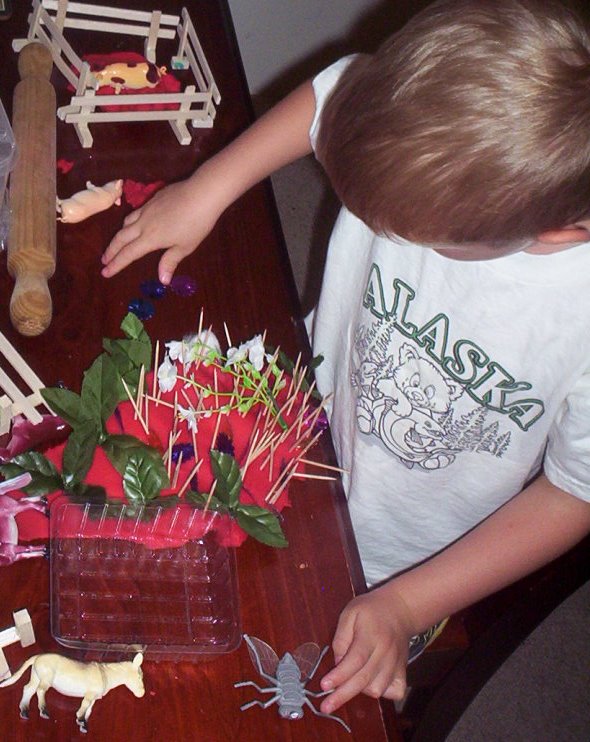
  • plastic farm animals, fences and trees
  • dinosaurs and plastic eggs
  • plastic sea creatures and boats
  • shells
  • plastic bugs and rocks
  • artificial flowers
  • cars and road signs
  • plastic or lightweight hammers
  • rolling pins
  • biscuit (cookie) cutters
  • plastic plates, spoons and cups. (Do not give these to a child who is already tempted to eat the dough!)
  • playdough stamping tools
  • garlic press
  • many other store-bought playdough accessories

Routines: Introducing table activities

Table time is a valuable addition to any flexible routine. Simply put, it is a time when the children sit at the table (or desk or kitchen bench or wherever) and work on a quiet activity. It is a time set by the parent for this to happen and the activities used are those that are previously approved and designated as table activities.

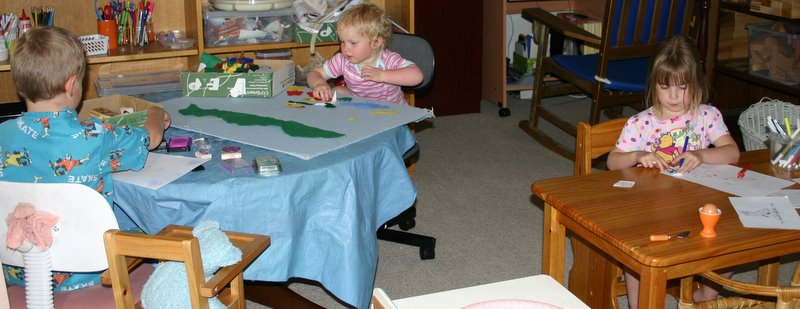
I choose the activities for my toddlers and younger children and set them out, the middlies usually get to choose between a limited number of activities (“Would you like drawing or felt board today?”) and the older children choose for themselves from activities that they know are already approved table activities. I chat to the children while they play at the table and am able to get the dinner made and served at the same time.

While my routines have changed over the years, for the majority of the time I have used table activities after bath and shower time and just before dinner time. This allows me to get everyone finished in the bathroom and send them to their activities as they are done – no roaming about the house getting into mischief.

I find that it is the transition times, the few minutes here and there between activities, that cause the most trouble and produce the most accidents. Left to their own devices, even for just a few minutes at this time of day, a cranky, tired, hungry toddler or child will rarely make good choices with their time!

The possibilities for table time activities are virtually unlimited. I have a cupboard with shelves that is designated for table activities which makes it easy for the children to see what they can do. Anything you have that can be used independently while sitting at the table is a suitable activity. Some families like to use this time for homework. I’ll be posting some table time ideas soon and of course, any of the toddler, workjob or Montessori ideas I post would be suitable, as long as your child can do them without assistance.

Toddler activities: Sensory tables

My sensory table in the kitchen; set up for water play.

Sensory tables are an excellent way to keep a toddler absorbed and concentrating for a good length of time while you homeschool older children, cook some dinner or wash the dishes. They are filled with open-ended activities and once the basic set-up is in place, are easily updated with the addition of household items for a new “theme.” Toddlers will love them and learn to focus and concentrate in the process.

A low table is ideal, however a large crate with lid, old television stand, coffee table, big wooden box or regular bench or table with the legs cut down will all suffice. I used a very large, sturdy crate with a fitted lid and covered it with a beach towel for a non-slip surface.

The sensory tray itself needs to have low sides (around 20 cms high) and be quite large. Under-bed storage crates or something similar are ideal because plastic lends itself to water and sand play and can be easily cleaned out. If the shallow crate comes with a lid this is even more ideal as it can be clipped into place when the tray is not in use.

For water play (as in the photo above) I have a smaller crate that I fill with water and a very shallow tray that goes underneath. This gives me a dry area for the accessories that are not in use and somewhere to put muffin trays for sorting and other activities near the water tub. For dry activities like pasta, the accessories can be kept in the large tray with the pasta and just put to one side.

The tray needs to be low enough for a young child to stand at comfortably, with their hands able to reach to the bottom of the tray. With very young children, you may choose to provide a sturdy step to bring them up to height, rather than cutting the table down too low – remember they will grow very quickly.

Think about age suitability. Scissor activities are not appropriate if it is likely that your 12 month old will get hold of them! Put towels underneath the table for indoor wet play. Plan for an easy clean-up by spreading out a sheet or blanket underneath when your child is using dry materials and simply gather the spills up in the sheet to tip back into the sensory tray when they are finished. You may choose to line it with fabric to cut down the noise, although this is sometimes part of the fun!

Now – what to put it in? (Keeping in mind of course that some materials pose a choking hazard and will not be appropriate for children who still like to put everything in their mouth.)

Some ideas are listed below and there are heaps of other great ideas at:  http://www.perpetualpreschool.com/sensoryideas.html


material in tray accessories to add
cheap costume bead necklaces (On strings for children to cut apart.)  Tie scissors to table legs so they are always available and do not get lost in the tray. Provide large tweezers to pick beads up and sort into muffin tins or other multi-compartment trays. Use beads for art and craft activities once interest has died.


sand plastic flowers, garden tools, rocks, pebbles, gloves, spray bottles for garden play.
sawdust or washed blue chip gravel or pea gravel or dried coffee grounds or dried tea leaves trucks, cars, rocks, pebbles, road signs
sawdust or shredded paper or packing cornstarch beans magnetic bingo wand and magnetic bingo chips (Chips will attach to wand as it is swept through the tray) or large horseshoe magnet (or similar) with paper clips, cutlery, metal pencil sharpeners etc
water aquarium rocks, pebbles, plastic bait fish or sea animals ($2.00 shops are a good place to look) aquarium net, small containers/buckets for caught fish.
water or wheat (Extremely large bags of wheat are available for at places like City Farmers.) turkey basters, squeezy sauce bottles, cups, containers, funnels, tubes, measuring spoons, sifters, egg cartons, pots, pans, jugs, measuring cups etc.
shredded paper or cotton balls or packing cornstarch beans or birdseed, wheat, pasta, rice, split peas or other clean grain. plastic or wooden letters/numbers/shapes and sorting trays to place in once found. Could be colour coded trays/containers to encourage sorting. Puzzle pieces – put puzzle tray for pieces to be inserted into once found, until picture is complete.
smaller tray – can be a table activity buttons, tweezers and iceblock trays for sorting.
chosen dry material foam board (from craft shops cut into animals or shapes to sort.)
smaller tray – can be a table activity beans and numbered egg carton (child to put correct number in each egg cup.)
ribbons, segments of curling ribbon, strips of crepe paper etc small sections of gutter guard, small hole chicken wire or commercially available weaving mats to thread ribbon through.
water sinking and floating – ping pong balls, boats, sponges, rocks, shells, other household  objects that float and sink. Encourage child to make a prediction before they check to see if the object sinks or floats. Aquarium nets to fish out objects once tested.


sand, shredded paper, crepe paper strips, sawdust or birdseed, wheat pasta, rice, split peas or other clean grain. plastic animals, bugs, rocks, shells. farm accessories etc.

(Wheat is available from places like City Farmers for $10.00 for a huge bag. Cheap enough to just sweep up spills and throw out if dirty.) Provide insect or animal books for children to look up their “catch” as they unearth their finds.

iceblocks of a variety of sizes use salt to stick blocks together to create ice sculptures
water different kinds of rocks to scrub, wash and dry (provide t/towels, scrubbing brushes, cloths etc.) Set up a couple of factual book about rocks away from the water for children to try and find their rocks and research rocks in general.)


shredded paper, packing beans fishing pole (wooden pole with string tied to the end and a magnet tied on the end of the string.) Cut fish shapes out of card and glue a paper clip to the nose of each. Write numbers, letters, sight words or whatever you are working on onto each fish and have child name them as they are caught. If they cannot recognise the letter etc. toss the fish back and catch again later. Do not work on too many new letters or numbers etc. at a time – ensure most catches are successfully named!


dog food stuffed animals, pet accessories, bowls (For the child who is old enough to resist the urge to eat the biscuits!)


nature items dry leaves, rocks, sticks, pine cones, honky nuts etc. with magnifying glass. Add plastic animals, bugs, cars etc. later, after the interest in the nature items themselves has worn off.
straws provide different sizes and colours for children to chop up. Tie scissors to leg of table to stop them getting lost in the tub. Once straws are all cut into smaller pieces, hide other objects (as for the ideas above) to find and sort or use cut straws for threading.
fossil dig freeze plastic dinosaurs in a deep tray in a thin layer of water coloured with food colouring. Once frozen, add another layer of different coloured water and so on. Dig out the fossils with metal spoons. Read dinosaur books and information about palaeontology as an intro or follow-up.

De-bone a chicken and soak bones overnight in bleach. Bury “fossils” in selected material for children to dig out.


cutting bright scrap paper, wrapping paper, magazines, pictures etc. for children to cut as desired. Hole punches, fancy scissors and staplers can all be added.


water pure soap flakes and hand beaters.


soapy water dolls clothes, tea sets or plastic dishes to wash and dry up or peg onto string line. Add dish mops, sponges, pegs, bottle washers etc.


corn starch packing beans can be used to hide many objects and are edible (ensure you get the correct ones. Encourage children not to eat them, just know they won’t be poisoned if they do!)

Once you have used them for a while dry, you can provide spray bottles filled with water to dampen the beans which are then mouldable.


soap and paper clay grate one bar of  soap and mix with equal amount of water then combine with one roll of white toilet paper (torn up) to make a mouldable sculpture material.


cities layer bottom of tray with garden soil and sprinkle well with grass seeds. Provide water spray bottles for daily watering. As the grass grows, lay small blocks for roads and add cars or other accessories. Make junk model city buildings and houses and trim “lawns” with scissors.


sand shells, seaweed, flags, buckets, yoghurt pots or other containers and water spray bottles to dampen sand.
chosen dry material spray small rocks gold or use plastic jewels or vase rocks as treasure. Link to pirate stories. Make box pirate ships to pile treasure into.
marble run clear flexible tubing, wooden blocks or real pipe and a variety of joiners to create pathways for marbles.
chemistry lab fill a container within the main crate with water. Provide “lab coats” to keep scientists clean and dry. Have a number of small jars containing vinegar, baking soda, flour, salt, oil, red, blue and yellow coloured water. Put small teaspoons in non-liquids and eye droppers in liquids. Children choose two ingredients for each experiment to mix, observe result, then rinse mixing jars in water. Provide t/towels for drying before starting a new experiment.
colour mixing as above, but only with the 3 prime colours in water. Perhaps use before introducing chemistry lab.
soap finger paint beat pure soap flakes, a little food colouring and water to form a thick, shaving cream consistency. Finger paint in crate or directly onto table surface. If painting onto table surface it is better done outside and hosed off once finished. Provide shirts or aprons to protect clothes. Make a print of painting by smoothing paper over lines drawn with fingers or plastic objects.
supersand equal parts cornmeal and dried coffee grounds make “supersand.” Use with many of the ideas listed here.
water different sized bottles and containers. Draw lines for children to fill to. Work together to decide which holds more.


Highchair time: home-made toddler activities – pasta play

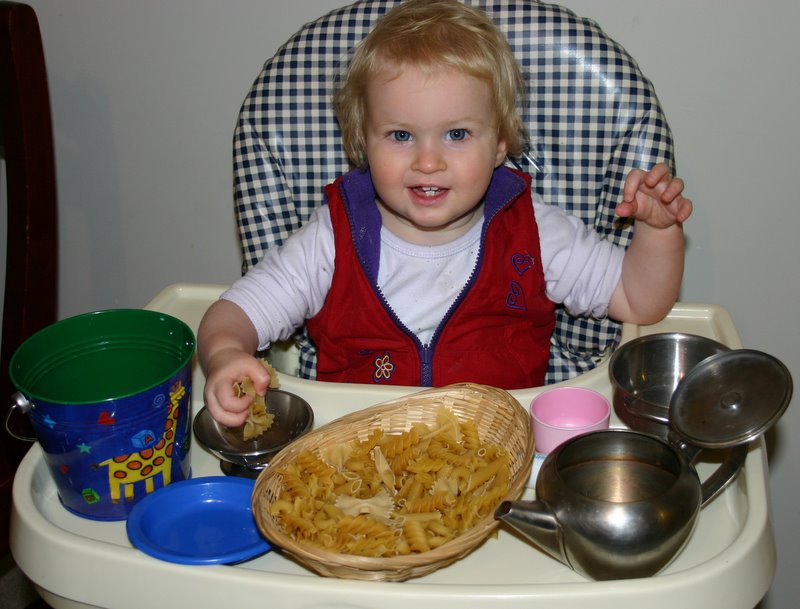
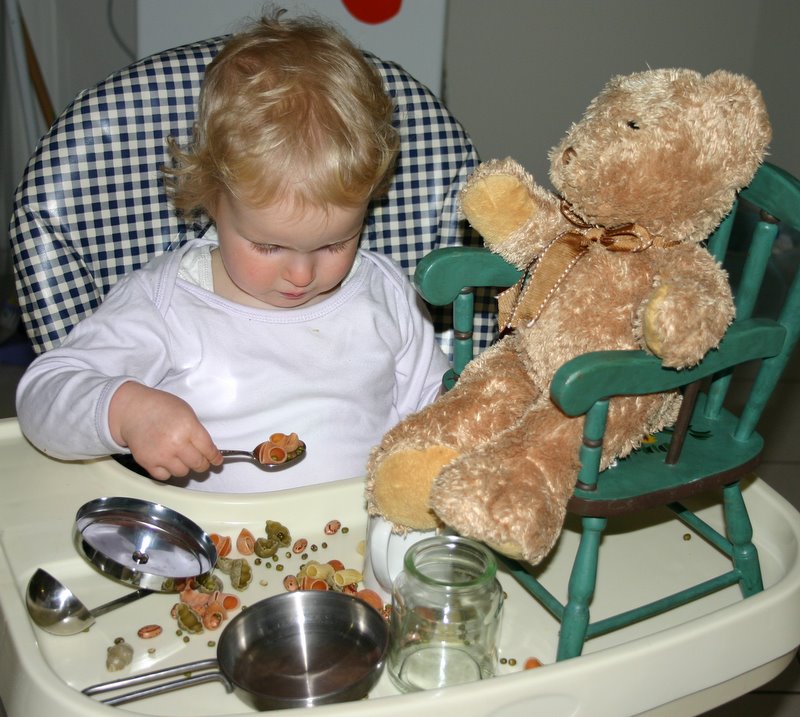
One of the easiest “home-made” toddler activities for high-chair time is pasta play. Raid the pantry for some interesting pasta shapes and gather a bunch of little containers of different varieties and you’re done. While most toddlers will have the self-control not to put the pasta in their mouths, keep an eye on them simply because of the choking hazard it could pose. As far as them having a bit of a chew though, there’s really no problem – it is just pasta!

If you start simply, changing materials as interest wanes, there are unending ways to extend this kind of play. Some ideas are:

  • a cup of pasta and cake tin to tip it into. (Tipping out and refilling a cup is surprisingly absorbing for a toddler and a good introduction to dry pouring.) The tin also makes a satisfying  sound as the pasta is poured.
  • a cup of pasta, cake tin and scoop. The child now learns how to scoop the pasta back into the cup from the tin.
  • a container of pasta and a second container to transfer it into. Transferring is another practical life skill that develops fine motor control. Vary this by changing the kid of tool used for the transfer (spoons, scoops, tongs, ladles etc.)
  • a jug and something to pour into.
  • a variety of different sized containers
  • glass containers (It is interesting for the child to be able to see the container filling up from the outside.) Think about the floor underneath – glass and tiles do not mix!
  • add a teddy with a plate and spoon
Pasta play is an open ended activity that can be independently accomplished and will keep a toddler’s interest for a significant length of time, particularly if you are regularly training them to expect high-chair time throughout the day. Use the time to wash the dishes, make the dinner, homeschool your older children or whatever it is you need to get done.

Routines: Commercial activities for highchair time

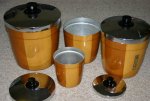
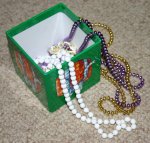
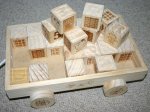
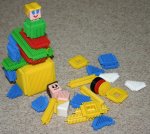
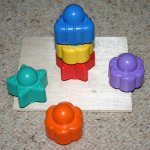
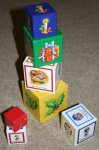
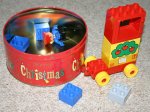
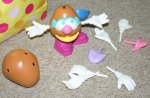
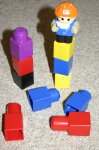
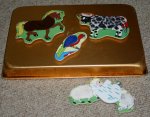
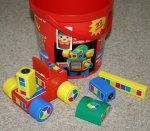
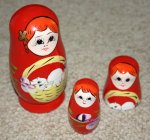
Following on from this weeks posts about highchair time and highchair time activities for babies, here are some pictures of commercial toys I use with my babies and toddlers for highchair times. Go for a walk around the house and see what there is to collect. If you have older siblings, you’ll be surprised what you can borrow from them to keep a toddler happily playing.

(Home-made practical life and other toddler activities will be posted individually from time to time under workjobs and Montessori activities.)