Empathy in action with a family “night” activity

IMG_9720Family nights (or mornings, afternoons or whenever!) with our children are important to us and we try to do something special at least once a week. It need not be fancy or expensive, as long as the family enjoys some time together as we seek to build a strong family identity and close relationships.

With colds passing through the family, we didn’t have the energy for a physical activity the week so we decided to do one of the ideas from those we have been discussing and using to build empathy, compassion and thoughtfulness during our Easter circle time.

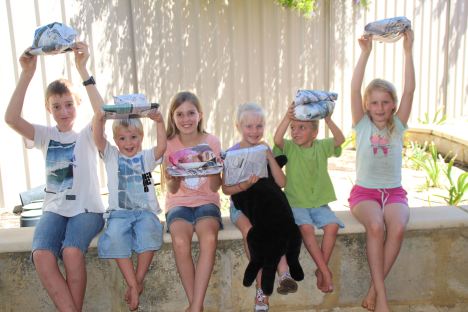
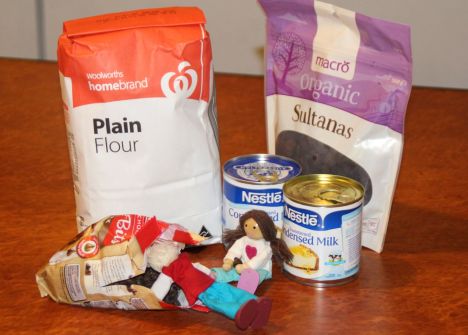
Each child was given $2 to spend at a secondhand shop. The catch was that they were not allowed to spend it on themselves. Each person drew the name of another family member out of the hat and endeavoured to find something special for them within their budget. We all helped with spotting good ideas and all purchases had to be approved by Mum and Dad first. (No, our oldest son does not want a Barbie doll!)

While many broad hints are given as to what might be a great idea for themselves, we usually manage to keep most of the gifts a surprise and smuggle them home without the recipient seeing them or at least without them being sure of what they are getting. Each child wraps their gift and we all get together for the presentations.

We took the opportunity for a review of gift giving and receiving etiquette  and how to show thankfulness when receiving a gift, which is so important.

Today our gift exchange morning led to a spate of tidying out desks and wrapping up even more gifts for each other which was lovely to see as these ones really did come from the heart. Those children who’s love language is gift giving were particularly over the moon and were seen dancing about with huge smiles on their faces for the rest of the day.

Empathy, Compassion and Serving Others

IMG_9705

Empathy is a character quality that we would love to see in our children. A willingness to see things through another’s eyes and put the other person first is so important, but it can be difficult to teach. Some children are naturally empathetic, thoughtful of others and eager to serve another for the joy of doing so. Others seem to be missing the empathy gene and need to work at learning empathy until it becomes something they choose because it is good and right to do so.

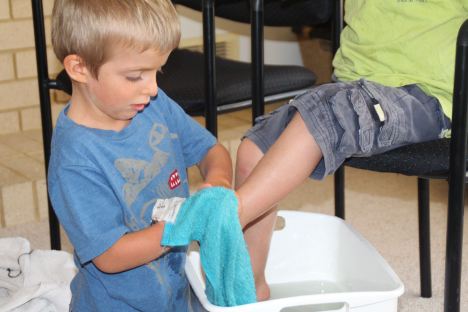
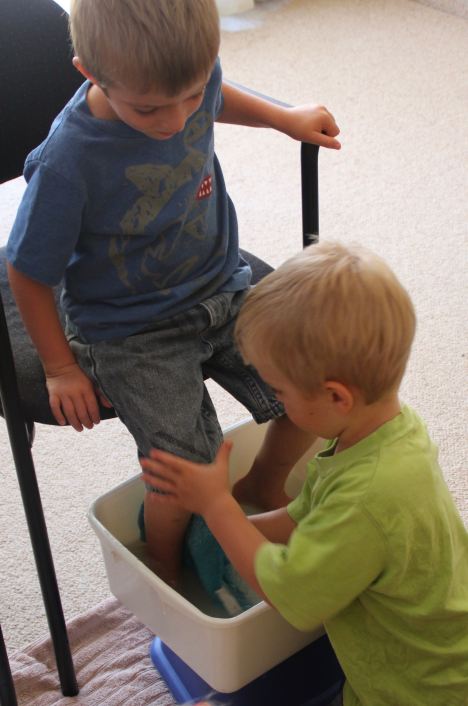
We seek to provide our children with many opportunities to develop empathy. As we participated in our count-down to Easter with Jesus tree symbols, readings and activities this week, we arrived at the story of Jesus washing the disciple’s feet. We discussed Jesus’ act of service and then participated in it by washing and drying one another’s feet.

IMG_9709We talked about stinky, dirty feet that would have been dusty and perhaps have walked in camel dung along the way! We discussed how washing another’s feet required pride to be put aside as we put them higher than ourselves. Afterwards we brainstormed ways we could serve each other throughout the day and put each other first. Tonight we will ask the children to tell everyone how someone else served them today and how it made them feel.

IMG_9707There are other ways to work on empathy – the following are just a few. Some of them cross over into love languages and building each other up but they are all closely related to the character of empathy.

Praying for each other. Lifting up the sick, hurting or those who are otherwise needful of our prayers is one way to help the children focus on the needs of others. Sometimes we pair the children up and ask them to pray for each other, or go around the circle and have everyone pray for the person on their right.

When a child is hurt, have a volunteer (or the responsible party if it was deliberate) look after the hurt child, providing them with tangible ways to serve and show empathy such as getting ice packs, cold towels, drinks of water, bandaids, teddy…..

When a child is sick, other children bring teddy, books, read a story, wipe their forehead with a cool cloth, sit with them, make them a lemon and honey drink….

When one child attends a special event that the others are not invited to,encourage them to bring something home for their siblings; save their piece of birthday cake, share a treat from their party bag, keep an eye out while op shopping for something their brother or sister will love…..

Being happy when something good happens to someone else. Birthdays are a great way to do this. There are so many opportunities to serve and think of the birthday child; volunteering to take over one of their chores, finding extra ways to bless them throughout the day, NOT expecting to get something on their birthday, using the star plate for the birthday child during their special birthday dinner and speaking words of blessing over them; perhaps taking turns to tell them why they are special.

Brainstorming ways they can make their sibling happy, choosing one and planning to do it today.

Teach children to use “When you ……… I feel …….. “ statements. Ask children how they would feel if they were in the other person’s place.

Give children $2 to spend on a sibling rather than themselves at a discount variety store or op shop.

Hold family secret service missions. Make a pile of “You have been served” cards to leave at the scene of an act of service. For example, make someone else’s bed and place the card on their pillow. It must be done in secret with nobody else finding out who has done the serving.

Choose one child to love bomb. Perhaps someone is feeling down for some reason. Everybody else gets together to write a stack of encouraging post-it notes and secretly sticks them all over a place that child will find them. Or if their love language is physical touch, every time a family member passes by that person they give them a kiss, hug, pat, hair stroke, wrestle or stacks-on (for boys usually!) or some other form of physical affection. If their love language is gifts, then children can bless them by making them a card, cooking a treat, purchasing a small gift etc. If they love quality time, then you may organise the day so that they are with others, doing something they would enjoy. Perhaps siblings could go on a “cheering up” roster all day so that the down child is never without company. The acts of service love tank is easy for the family to fill together as they look for ways throughout the day to help out.

Introduce praise plates.

Study empathy in the bible, in character stories or with other materials that will teach children exactly what it looks like. The Character First programme is useful for this and includes empathy under the character quality of compassion. It teaches children that “compassion begins with sympathy, which is seeing someone’s pain or being alert to a weary co-worker or a stranger who needs assistance. Once you notice an injury, empathy means you imagine how much it hurts. This creates a feeling of duty, responsibility, and sometimes urgency to help find a remedy.”

Character First resources always include 5 “I will” statements that explain what the character looks like in action, making it doable for children. The “I wills” for Compassion, as explained in Character First are:

I WILL:

  • Notice when others are hurting.
  • Stop to help.
  • Take time to listen.
  • Do what I can.
  • Be kind, regardless of differences.

What other ideas do you have for teaching empathy in your family?

IMG_9699


Homeschooling 6-year-olds; Writing

IMG_9634

Diary writing is a wonderful way to teach writing skills with young children. The topic is relevant and interesting to them (all about themselves!!) and it provides a wonderful keepsake in the years to come. All aspects of spelling, grammar and punctuation etc. can be covered as the child writes and it includes copywork practice which I believe is essential for learning strong writing skills.

If you are not familiar with the concept of copywork and the reasoning behind it, the basic ideas is that children’s writing will best develop as they see excellent writing modelled. As they copy correct spelling, punctuation and other building blocks that successful writers use, they become familiar with these skills and are then able to put them into place in their own writing. (Google Charlotte Mason copywork for more information on this concept.)

The modern idea of children just “having a go” as they spell phonetically means that they are seeing incorrect “pictures” of wrong spelling, reinforcing these mistakes in their memory, rather than the correct spelling that they will see in copywork activities.

Once or twice a week I have my 6-year-olds draw a picture of a significant event that has occurred recently and then tell me about it. As they speak, I write down their words, leaving a line between each line of my writing. As I write, we discuss concepts such as:

  • punctuation; capital letters and full stops
  • spelling (I may have them tell me how to spell a sight word they are familiar with)
  • phonics (I might ask how to write the “sh” sound in a word for example)
  • descriptive words (is there a more interesting way to say “good?”)

Diary writing for children who are not yet forming letters correctly: 

Another way to use diary writing  that also works on reading skills and letter/word recognition is to have the child dictate a single sentence to you about the drawing they have made. You write the sentence into their diary book, leaving a full line blank between each line that you write and also write it a second time onto a separate strip of paper. The child then cuts the separate strip up into single words (word recognition is a concept in itself, as well as requiring scissor skills) which are then mixed around out of order. They must then match these words back up to the ones you have written on the page and glue them underneath, re-reading with your help to ensure it makes sense and is matched correctly.

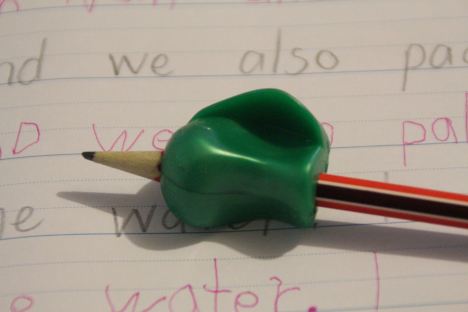
For my son who struggles with fine motor control, pencil grips are a must. He also cannot copy the words underneath my writing, but traces over the top instead. I let him use good quality gel pens with a pencil grip at times because they make a nice dark line without much pressure being required and he likes them – anything to encourage writing!

IMG_9639

When young children are doing any kind of writing, correct pencil grip is important. The longer they practise writing with incorrect grip, the harder it is to correct later, just like any other habit. For those who struggle, a good quality pencil grip is a must. It should be very soft and molded to keep fingers in the correct place. Our favourite has flaps like wings that spread out over the top of the thumb and pointer finger, stopping children from sliding their fingers up and over the top of the pencil grip in a fist style. Be wary of purchasing cheaper brands. I did so this year, being very happy to find 5 grips in a packet for the same price of just one I had bought previously, however these turned out to be made of a much firmer rubber and the children do not find them comfortable to use.

Other writing activities that my year 1 homeschoolers participate in:

  • handwriting book. (Individual letter practice because learning to make letters the correct shape and starting at the right place is still important. Most children at this age are still making mistakes with this and again, we don’t want bad habits to form and have to be re-learnt later.)
  • copywork. (Bible verses, character related, good quality literature examples.)
  • finger strength building activities. (Plenty of time on activities that require fine-motor skills such as hand sewing, threading beads, Lego, playdough etc.)
  • free time to choose drawing and writing. (They have desks in their bedrooms well-stocked with a variety of papers, envelopes, notepads, drawing and writing tools that they have access to during room time after lunch each day. They are always drawing or writing notes, cards and letters to friends and family. My reluctant writer has spent anything up to 30 minutes a day for several weeks now filling every single line of an A5 notepad with squiggly lines – his “writing.” Nothing I could have set for him would ever have got him to spend this long using a pencil!)
  • writing in family birthday and thank you cards and letters to friends and relatives


That’s about it for writing in year one for us. With this foundation in place I know from experience that they will go on to successful writing in the future.

What do you do for writing in your homeschool?


A Christ-Centred Easter

IMG_9686.jpg

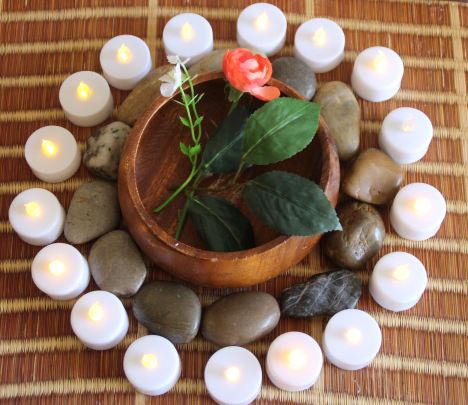
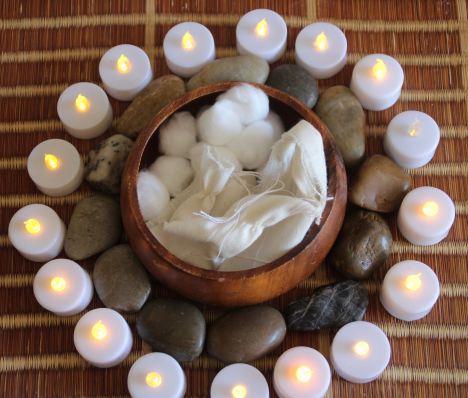
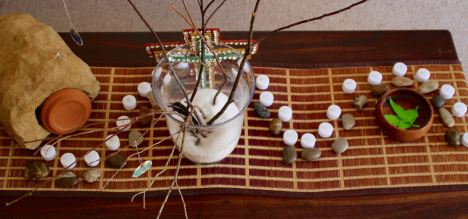
We missed the start of Lent again this year, however we randomly started our count-down to Easter last weekend with this simple daily plan. The stones and candles represent the days until Easter, with the candles being lit to correspond with the number of days remaining until Good Friday. The candles go out one by one as each day passes, leading up to Jesus’ death on the cross – as the light of the world dies. (A large white pillar candle will be lit on Easter Sunday to represent Jesus’ resurrection.)
IMG_9690

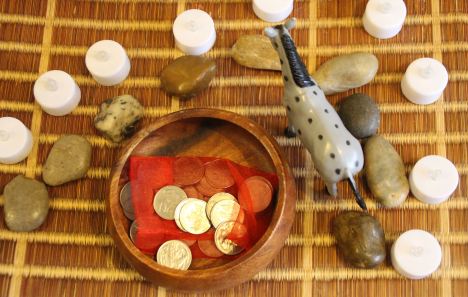
Each day in the little wooden bowl there will be a new object that represents the section of the Easter bible story that we will be reading and focussing on for that day. On day one it held palm branches and a donkey as we read about Jesus’ entry to Jerusalem. Day two was a small red bag of silver coins for the 30 pieces of silver paid to Judas to betray Jesus – red because it was “blood money.”The symbols will be added to the base of the large vase, building up into a collection that reminds the children of all the events we have learnt about.IMG_9681
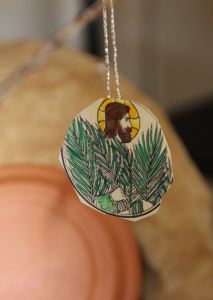
I have printed out some pictures from the web to go with each day’s event for the little children to cut and colour and hang on the bare branches of our Jesus tree.

We will also be reading or listening to a book each night about Easter, exactly as we do at Christmas time in our book-a-night advent count-down. These books are wrapped and the children take turns to choose and unwrap one to read each evening. I am interspersing these with a free downloadable audio recording of “The 12 Voices of Easter” as we don’t have enough books to get us all the way to Good Friday just yet. This tradition is one that they love at Christmas time and are very pleased to repeat for Easter. They are also excited to see what the new object will be each day. These are the simple traditions that we hope will give our children memories that last a lifetime.

If I get the chance, I will come back and add photographs of the symbols as I use them, but for now, here is a list of the ones we plan to do. I am reading from “The Children’s Bible” because it is simple enough for my young children to follow, yet has enough detail to cover all the main events of the Easter story and hold the attention of the older children as well.
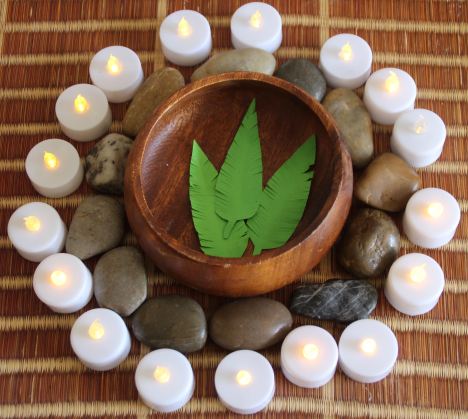
IMG_9830Triumphal entrance Palm branches, donkey
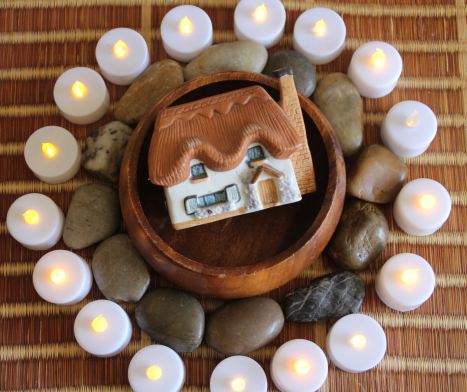
IMG_9820I go to prepare a place in heaven for you
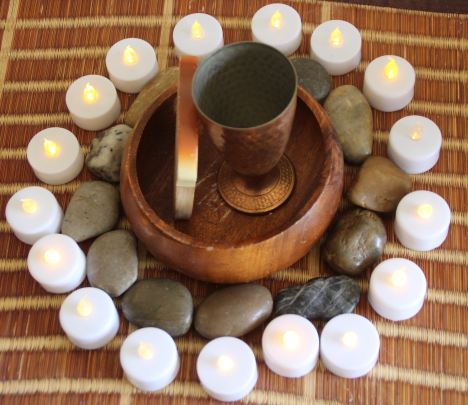
IMG_9828Last Supper Goblet, bread

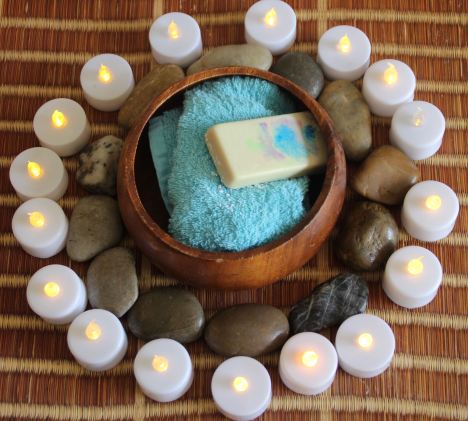
IMG_9831Servant King Bowl of water, washcloth, soap – wash each others’ feet
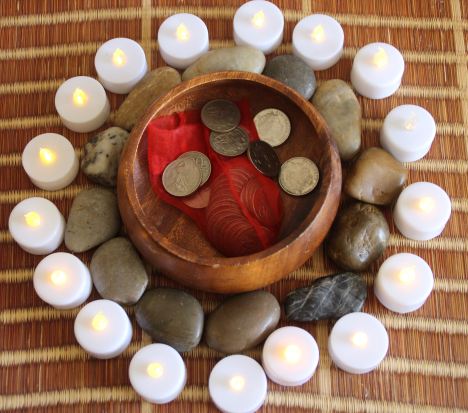
IMG_9827Judas 30 silver coins

IMG_9826Garden of Gethsemane

IMG_9818 (1).jpgCaiaphas torn cloth for his torn robe, cotton wool ball clouds of heaven
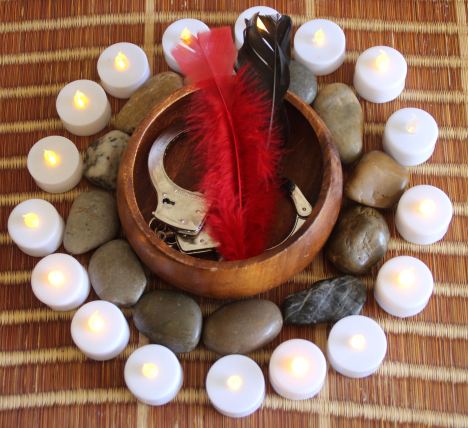
IMG_9824Simon Peter Rooster feathers, handcuffs (arrested)

King Herod Crown, purple cloth, jewels

IMG_0109Pontius Pilot Bowl of water and jug, shimmering blue stones for water
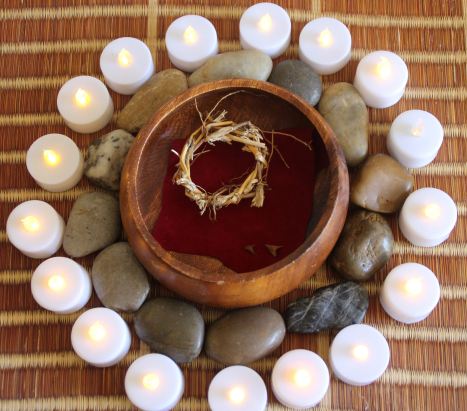
IMG_9815The soldiers Dice, spears, crown of thorns, red cloth, scarlet cloak, nails
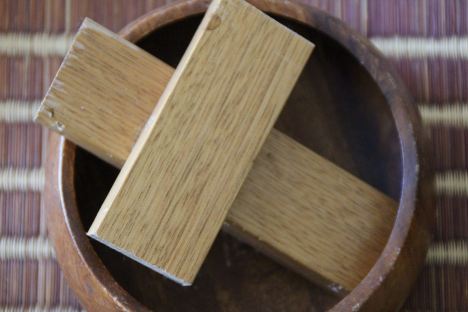
IMG_0110Simon of Cyrene Wooden cross

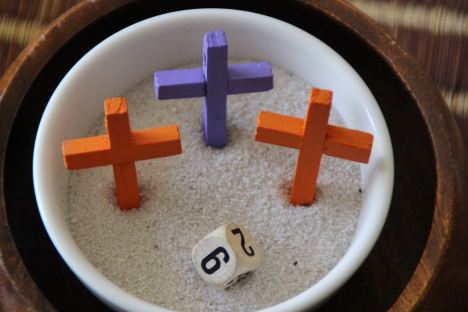
IMG_0111The thieves 3 crosses standing in bowl of sand

Mary Hearts – Mother’s love and sorrow

The person with the sponge Sponge with vinegar on a stick

Jesus’ Death on the Cross black cloth – darkness covered the land, piles of blocks – earthquake
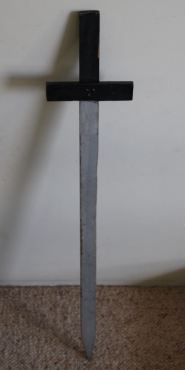
IMG_0121

The Roman soldier Skewer spear (pierces Jesus’ side), little bowl of water and another with wine for blood – water and blood came out from Jesus’ side.

The Centurion Pile of tumbled blocks and heavy cloth (torn temple curtain) Jewelled cross symbolising Centurian’s belief

Joseph of Aramathea Stone and tomb
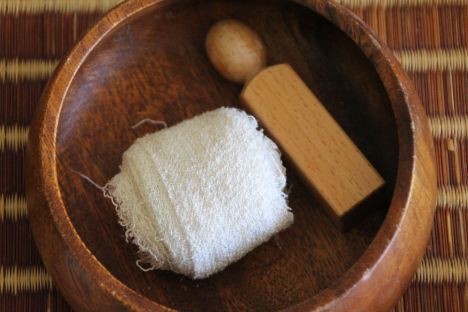
IMG_0124IMG_0114Nicodemus White shroud

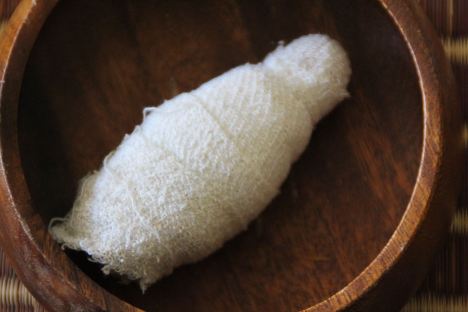
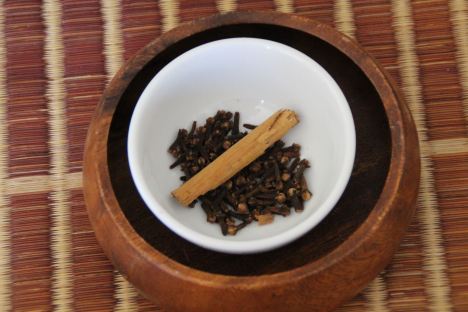
IMG_0103IMG_0107The women spices; cloves, cinnamon, jar of ointment
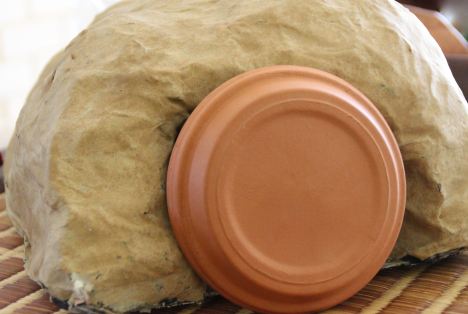
IMG_0115The Tomb Empty eggs, empty tomb, butterfly (risen and changed)
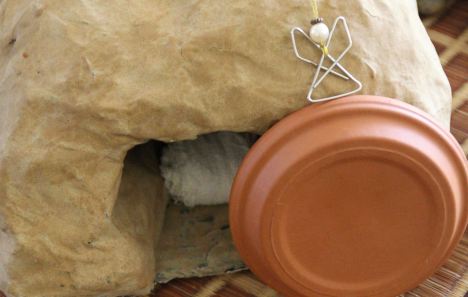
IMG_0119Jesus appears – various; Fish & camp fire, sheep (feed my sheep)

us – the people of God Tray of sand for children to “write” their sins,  confess then wipe away. A pile of rock “burdens” imagine Jesus lifting all of your burdens off your shoulders and place at the cross. Playdough – sculpt things in our life that may become idols then crush them.

Ascension Cotton wool “clouds”

Holy Spirit Descends Candle, matches, oil lamp?

For more Christian Easter ideas see these posts;

Christian Easter activities for children (minus the bunny.)

“Grandpa’s Box” book review – a great book for any time but excellent as an Easter or Christmas count-down. The same bible stories told from a completely different viewpoint; as if we are engaged in a battle, which of course we are. Children who have grown up on the story surrounding Easter and are perhaps a little too familiar with it will be enthralled.

Jesus trees, Lent and Christian Easter ideas for children

Amon’s Adventure – another excellent daily reading book that is designed to be used as a count-down to Easter. There are several more in the series that we have used at Christmas time and the children love them. Each section ends on a cliff-hanger that has them begging for more as they have to wait for the next instalment the following evening. A fictional story set at the time of Jesus’ death on the cross. Good for 6-year-olds plus, although we read it to our whole family including the younger children as well.

Creating Christian Easter traditions

Jesse tree symbols for advent (can be used for Easter as well)

Christian Easter ideas for 2015

Creating Christian Easter traditions for children


Homeschooling 6 year olds – reading

Teaching a child to read in the early years is not as daunting as it at first seems. There are so many different methods out there and honestly, a child that does not have any developmental issues will learn using any of them – just pick one and go for it! Some will need a little more time with the same materials but will get there in the end and others may need you to find them something that addresses their particular needs. Of course, reading excellent literature to children on a daily basis is so important for their development in this area.

The methods I use work for me and have adapted easily for the little ones in my house who needed a little more time. I have already discussed how to lay the foundations for teaching reading in teaching children to read – where to begin so I’ll leave that for now.

Moving on from ear training, a good phonics programme is a must, some sight word practise is helpful and a good quality set of early readers is useful.

I use Letterland for phonics. It was developed to help children who were struggling and was so successful it came into mainstream education. Initially I introduce 1 new letter a day using the abc book, with both its alphabet name and sound, and we spend 5 minutes reading the little story and finding a bunch of items starting with that sound. On the following day we review the sounds and letter names previous learnt before introducing a new letter. At the end of 26 days, with daily reviews of sounds already covered, our 3 year olds will usually know around 20 of the 26 sounds, many of the letter names and be able to work out the rest of the sounds using the Letterland character’s names to prompt them. Not bad for 10 minutes a day.

The 4 and 5 year olds go on to initial sounds experiences, alphabet activities and 3 letter words. (Put “preschool” in the search bar to find my many posts for preschool activities that include alphabet charts, spinny spellers, Duplo 3 letter words, Montessori trays etc.) Our focus this year is now sight words and more advanced digraphs – the sounds that letters make when they get together. Letterland has the cleverest stories to explain these changes.

For example, “H” is Hairy Hat Man who hates noise and whispers his soft “h” sound and the letter “S” is Sammy Snake who hisses his “s” sound. When Sammy stands behind Harry in words his hissing is so loud that Harry turns and says “sh” which is why you can hear a “sh” sound when you see “sh” in words such as shop and ship. Easy isn’t it! Once the children have heard these stories they rarely forget them and they provide very easy prompts when working on decoding words for reading. Even my older children can sometimes be prompted in their reading or spelling of a difficult word with the reminder of one of the more advanced Letterland stories.

IMG_9633

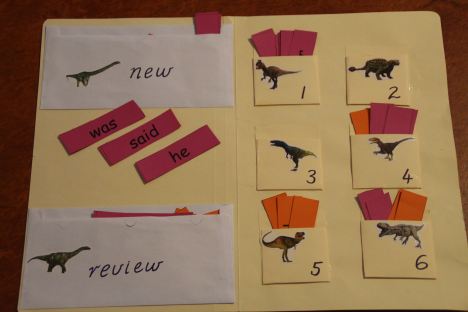
For beginner readers who find reading akin to pulling teeth, putting the readers aside and focussing on building a bank of sight words may be helpful. I type out all the words necessary to read their first Bob Book and we use those for sight word games, flash card drills and other simple activities until they are known by sight. That way, when the child attempts to read the actual book, they are able to breeze through and wonderingly say at the end “I read it!” rather than feel like pulling out their hair (or is that just me?) as they laboriously sound out 1 word after another.

In the sight word mastery file above, the words are moved from pocket to pocket as the child reads them successfully. If they forget the word it goes back to pocket 1 and starts again. That way, by the time words make it into the review envelope they have been read correctly 6 days in a row and are probably quite well known by then – enough to be recognised in the book later.

IMG_9645

The Montessori pink series  starts with simple phonetic words that are matched to pictures. It is an independent activity that requires no supervision other than me listening to the words being read once they have matched all the pictures. In graded sets that get gradually harder, these are free to print out and there are heaps of free resources for them on the web.

There are so many more ideas for teaching reading but these are a few that we have used repeatedly over the years during a short period of one-on-one time with each child, coupled with a little independent work on a daily basis. One they have that lightbulb moment they will be off and running and you will need to restrain yourself from telling them to put that book down and go out and play!


Homeschooling 6 year olds – maths

It is fairly well understood in the preschool years that children need many hands-on experiences as the best grounding for mathematical understanding. However, it is too easy to fall into the trap of thinking that as soon as a child starts school he or she must “hit the books.” There is still a need to manipulate, play and explore concrete materials in the early years and rushing too fast into abstract concepts (ie. “on paper” solutions) to mathematical concepts can hinder a child developing true understanding.

So, with this in mind, do I use a maths programme for my 6 year olds? Yes, but as a spine from which other maths experiences flow. It helps me to know that I am not missing any skills along the way. Those children who have a good grasp of number concepts can skip through very quickly and often will plead to just write out their answers in the book rather than use manipulatives. If I can see that they truly grasp the skills (understanding the why and how of each problem) then they go ahead. Learning styles do differ after all and not everyone needs the manipulatives. However, other children will need to go through basic concepts such as one-to-one correspondence with manipulatives over and over and over and over again!

IMG_9625In the early years we use Math-U-See because it does include manipulatives, has a DVD lesson format which means the children are not dependent on me to give them one-on-one teaching to explain each lesson and has a clean and simple set-out with a good progression from skill to skill. Early writers are given enough space to write large numbers and opportunities to use their manipulatives throughout. When more practise is required, I provide Montessori style hands-on activity trays until the concept is thoroughly grasped before the child continues on in the book.

IMG_9629

Reluctant writers and maths:

When a child has difficulty with fine motor control and writing skills it can slow them down in all their subject areas. Maths however is one area that can be easy modified to eliminate this problem. Ask yourself – “Am I teaching handwriting or maths?” Do you want your child to progress in maths or hate every minute of it because they have to sit there laboriously writing numbers in their painfully slow style?

My son would take ages to complete this page if he had to write the answers down, plus I would struggle to read them anyway! Given this inexpensive box of wooden letters, he can work through the problems, calculating some in his head, putting out manipulatives for others and using the wooden numbers to “write” the answers. Quick and easy and demonstrating his understanding of the subject at hand, rather than his handwriting ability.

IMG_9610

When more experience is needed with a concept, he works on Montessori style trays such as the one above, giving him lots and lots of repeated practise of the same skill over and over again until it becomes second nature. We made up little stories about customers in restaurants who were sometimes greedy (according to the numbers on the spoons) and he enjoyed choosing the food (jewels) to serve.

With the combination of bookwork plus hands-on trays, my 6 years olds feel that they are doing real “school” like their older brothers and sisters and all ability levels are being catered for. One is zipping through the book at a great rate (she LOVES book work!) and the other is taking a more leisurely course with lots of hands-on experiences along the way. Individual children,  individual abilities, individual learning styles. This is one of the reasons why we homeschool after all isn’t it?

Next up: Homeschooling 6 year olds – reading and writing


Sensory tubs for babies and young toddlers

Our 17 month old is staying with her Grandparents (along with some of her brothers and sisters) for 4 days and they have requested some playpen toys to use while she is there. This sensory tub or “pile of entertainment” is what I came up with. Perfect for highchair, mat or playpen times, these household objects will keep her going longer than the flashiest new toy ever could. (See this post for more info on flexible routines and links for training little people to sit and concentrate for lengthy periods.)

IMG_9494

Containers filled with interesting things are always a hit with this age. Check for choking hazards and make sure nothing is easily breakable. Include objects to open and close, lids to take off and put on, things to fill and spill, stack and fiddle with.

IMG_9498

A pile of plastic picnic plates to stack, old jewellery containers to open and shut, play keys, magnetic wooden ice-cream cone, pretend food, magnetic construction blocks, swizzle sticks in a jar, T/spoon and cup. Wander around the house and pile stuff in. Check the older kid’s toys for anything suitable such as the potato head toy. While she won’t be able to build it, she will take a couple of minutes to pull it to pieces and examine it.

IMG_9500

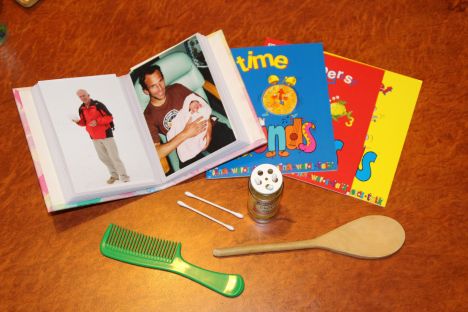
Take notice of what they pick up and walk around with when on the loose around the house. Mum’s cooking spoon, sister’s comb, brother’s hat, Dad’s shoe – chuck them in.

Poking Q-tips into a spice jar takes some doing at this age (Montessori small spaces activity) and bright books are good, along with a small photo album of family members and other common objects (pets etc.)

All of my children have rejected baby board books at this age but have been particularly interested in paper books. Perhaps because they see everyone around them reading them all the time? I set aside some paper paged books that are not particularly loved in case they get wrecked and give them to the little ones. I find if they are in perfect condition they will rarely be torn, but the moment there is even a small tear it will have a powerful draw and little fingers will have that page ripped out in a flash. It’s irresistible, they just can’t help themselves!


Homeschooling preschoolers – a new year begins.

IMG_8511

One more homeschool cupboard has been cleaned out and set up ready for the new year. Our 3 1/2 year old little man has joined the ranks with his older brothers and sisters to do “school” after breakfast each morning.

IMG_8564

Now I know how important it is at this age to keep school relaxed and enjoyable and not to focus on too much bookwork. Plenty of time for creative, open-ended and active play is an absolute necessity, along with character training as a firm foundation for all other skills. However… there is a place for teaching little boys to sit and concentrate on a task for a good length of time. For some this is more difficult than others but it can be done and dare I say it, must be done. You are doing your sons no favours if you do not teach them the self-control necessary to sit still and achieve a task that is set by someone else. Think ahead to a work or classroom situation – hard as it may be, they need this skill.

This training ideally starts early, with sit time in the highchair, mat time while you prepare dinner, playpen time as babies and all the other parent-directed periods that are so vital to a balanced routine. If you have had all these in place since babyhood then starting some kindergarten activities at the table will be a breeze. If not; it’s not too late – start now! Start small and build on it until it is easy for your little one to sit for a while and finish an activity that you set for them to do.

IMG_9489

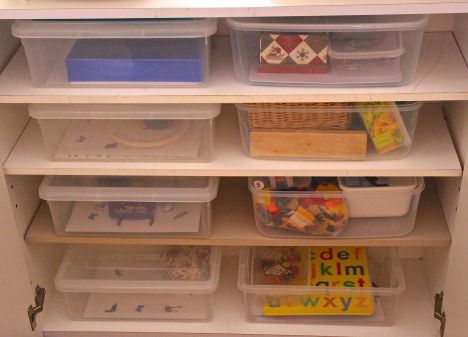
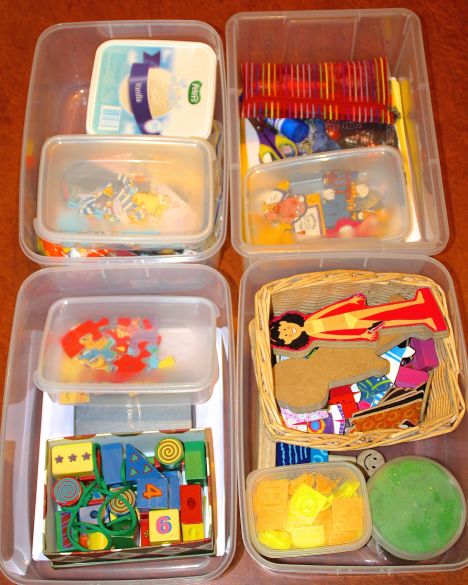
I use a workbox system for my younger students and find it works well. It takes a little time to set up but pretty much runs itself once you are going, with change-overs only necessary every couple of weeks as skills are mastered or interest wanes with particular activities over time. We do “school” at home four days a week so there are 4 shelves of 2 boxes per day. The first box holds the “work” that is done with my supervision and the second box holds independent activities that are completed with some choice once the set tasks are done.

IMG_9472

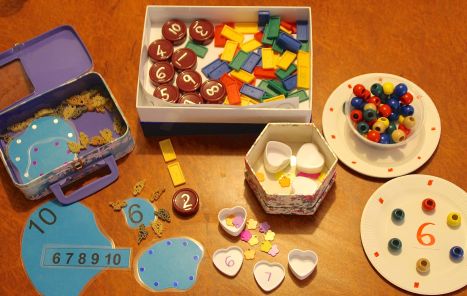
We have already been working on basic counting skills and our little man is familiar with the alphabet and knows most of the sounds. To build on this, his work for the day will be a Montessori style maths counting tray followed by an initial sounds worksheet involving a little bit of writing practice.

IMG_9466

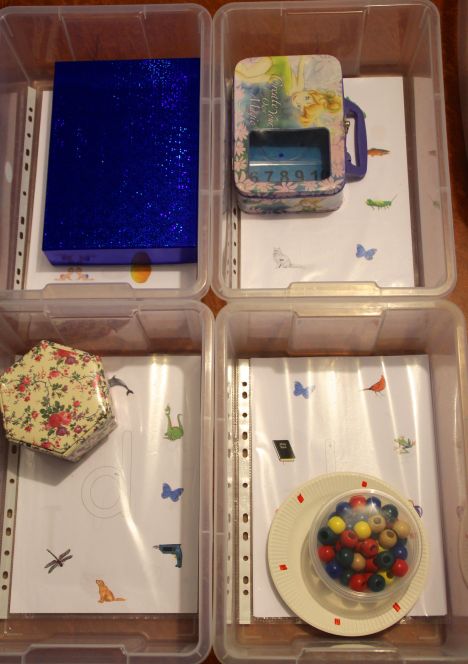
The counting trays all follow the same principle to keep it simple; place the numbers in order, then count out the correct number of objects. Pasta dinosaurs will drink at the watering hole, flowers fill the love heart dishes, coloured bead “food” is served at the number restaurant and coloured tiles line up above the bottle tops. All made with household objects for almost no cost and with visual and tactile appeal to a small person who needs to practise the same skill over and over and still be interested in the task at hand. They are also self-checking in that there is exactly the right number of objects to count and in some, like the plates and watering holes, the items can be matched to the dots to check if the right number has been counted out. (Check out the “Workjobs and Montessori Activities” category on the left for many more ideas for hands-on tray activities.)

IMG_9471

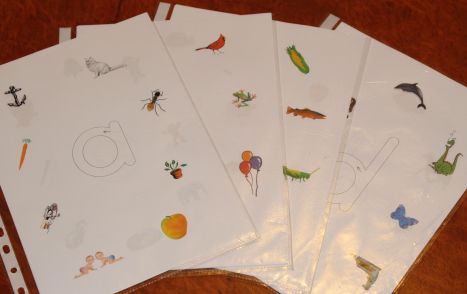
These initial sounds worksheets are so quick and simple but give that bookwork feel that my little kids love because it makes them think they are doing real school just like the big kids. They have to review the letter name and sound then say the name of each object slowly to see if it starts with the right sound. They circle the ones that do and cross out the ones that don’t before tracing the large letter in the middle a couple of times in varying colours. Just a little bit of pencil work to practice but nothing too taxing.

IMG_9477

The fun boxes hold activities that can be done without help but still have educational value. Fine motor skills, problem solving, language development and more are included here on a rotational basis.

IMG_9481

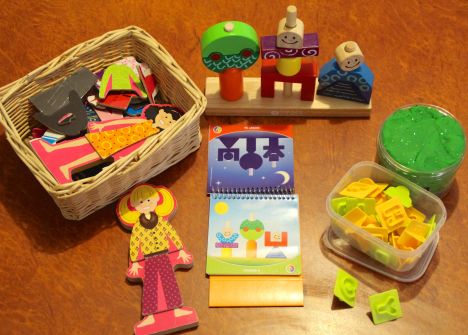
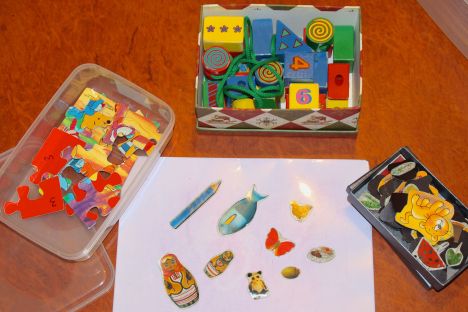
Monday has magnetic dressing dolls, playdough and letter stamps and our “Day and Night” puzzle that requires the children to match the silhouette or picture in the direction cards.

IMG_9483

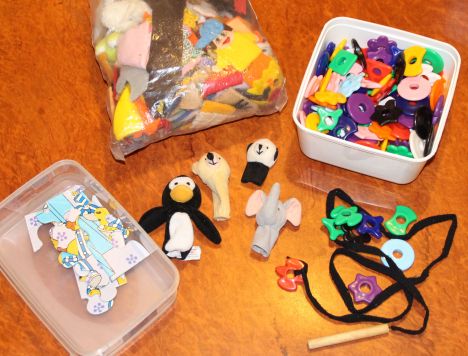
Tuesday has finger puppets, regular cardboard puzzle and lacing beads. The large wooden lacing stick makes it easier for little fingers to put the beads on.

IMG_9478

Thursday’s workbox has another puzzle, magnetic pictures and magnetic white board and number lacing beads.

IMG_9487

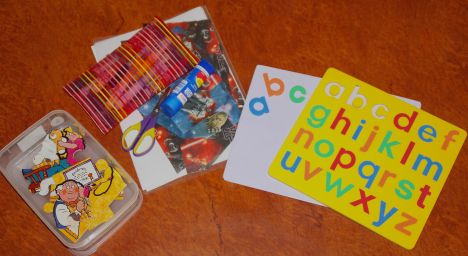
The Friday box includes a puzzle plus magnetic alphabet letters and and magnetic whiteboard, along with some paper, scissors, glue, texts and Star Wars wrapping paper (saved from the Christmas presents) to create with.

Our little man was already asking to have a go at bits and pieces as I was putting these together so that’s a good sign. Keeping school toys out of the general rotation means that these are almost like new and he can’t wait to start.

Next up; the 6 year old twin’s cupboards. Year 1 here we come!


Homeschooling with toddlers; a new year begins!

As our thoughts turn to the new year, it is time for an evaluation of routines and a sort-out of school cupboards. A major part of successfully homeschooling a large family is ensuring that the toddlers and babies have a well structured routine that includes some extended periods of time where they are able to play independently, leaving me free to concentrate on schooling the other children.

I spent a little time today changing over the playpen, mat time and highchair toys; boxing away baby toys that are now at the wrong developmental level and quickly making up some new and interesting activities as well as bringing out some I have stashed away from previous years. A big bottle, a box, some containers and bibs and bobs from around the house and I was all set with stimulating and educational toys that cost nothing at all.

The 12 month to 2 year range is difficult to cater for as they want toys that do something but are usually not yet ready for pretend play. Montessori style practical life tray activities are perfect and are cheap and easy to make. You can put them together in just minutes and throw them out when you are done. Better than buying new plastic fantastic dinging doodads that loose their attraction in a week or two.

IMG_9413

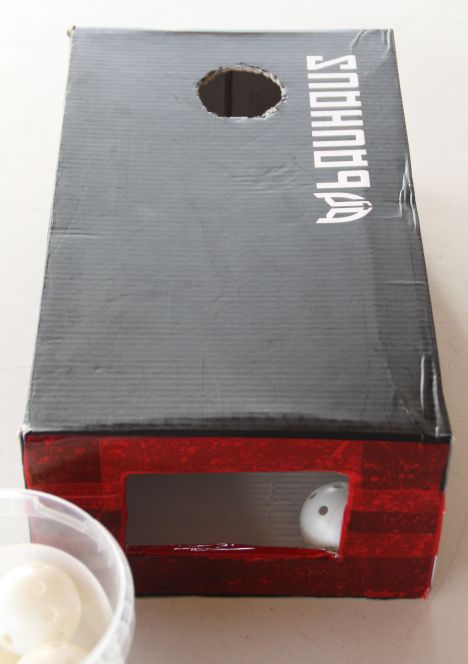
My husband didn’t realise that when he purchase his latest Christmas gift to himself he also bought one for his daughter. This box had the perfect design for a Montessori style object permanence box. Little ones drop the oversized marbles into the hole and watch them disappear and are then astounded as they magically reappear at the bottom. They eventually learn that the object is still there even though they can’t see it and begin to watch for the marbles to roll down into view. Simple concept but fascinating to the right age.

IMG_9411

All I need to do was glue two wood offcuts to the bottom to ensure a slope so that the balls rolled to the front of the box and tape the sliding inner piece in place. 1 minute = new activity. You can buy wooden versions for $40.00 but who needs one? You could use a toilet roll or anything else really to glue underneath to keep one end of the box elevated.

IMG_9419

A shoebox version of exactly the same thing. A hole in top to drop the balls into and a large slot to retrieve them again from the bottom.

IMG_9087

Drop bottles are always lots of fun. Fitting into the Montessori “small spaces” and “posting” categories they require some fine motor control and problem solving to get the objects into the hole at the top of the bottle and retrieve them from the bottom. Watching my 17 month old turning the block laboriously in her chubby little hands and repeatedly poking it at the hole until it dropped in was entertaining. Watching her clap herself each time she did it even more so.

IMG_9417

Something to pull apart is good for a few minutes. There is no way she will be able to put these back on again but she carefully removed every one and then stuffed them all into one of her honey tubs with a hole in the lid. (Yep, expensive toys around here – honey tubs as well!)

IMG_9081

Large garden stones to drop into a yoghurt pot with another hole in the lid. Satisfying clunk sound and weight. Eventually she will figure out how to turn the container upside down and shake them back out again.

IMG_9090

Pom pom posting container. The draw-back of this one is that once they are in they can’t be taken back out again. She does this one first every mat time and then sets it aside to focus on the other items.

IMG_9416

A pile of objects to fill and spill are a must. All the better if the container they go into makes a good metallic sound when they drop in.

IMG_9423

At the moment my youngest (17 months) has playpen time each morning for at least an hour four days a week – we are out for the 5th day. These are her baskets that she uses on a rotational basis. Because they only come out for playpen time once per week I will only need to change them again in a month or two. Using some basic categories that help me come up with ideas I walk around the house and plop items in. An hour or so (most of which is putting away the items from the old boxes) and I have playpen time sorted.

This month the categories were:

  • posting/small spaces
  • something to wear/put on/household object
  • books
  • something to stack/pull apart
  • something to cuddle

I’ll be posting about my other 6 children’s school time activities over the next little while. Next up – the 3 1/2 year old.


Christmas Blessings

IMG_9054We have been searching out our Blessing Buddies each day to find out how we will be blessing someone else rather than ourselves this Christmas. Rather than a new blessing every day we have chosen a few bigger blessings to work towards this time.
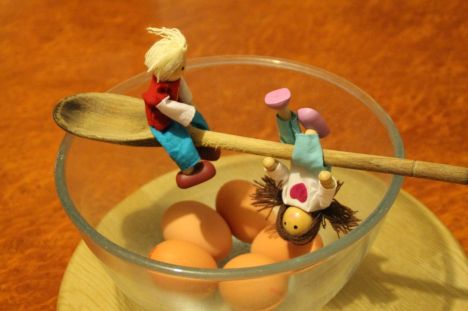
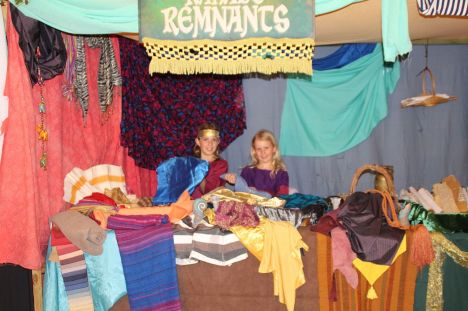
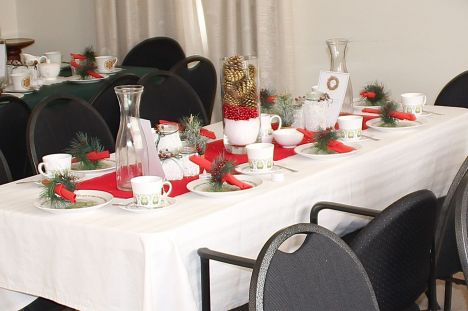
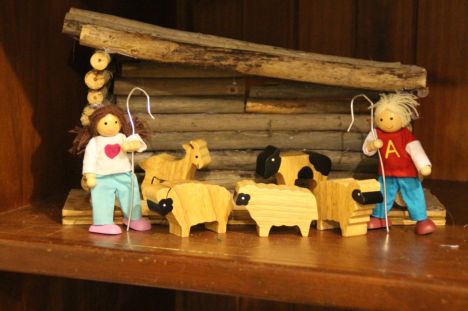
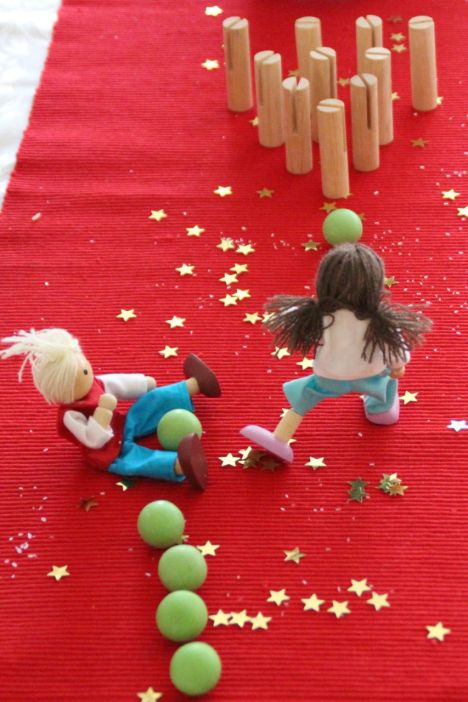
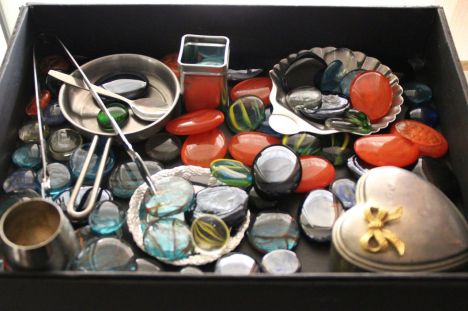
The two eldest girls and myself participated in “The Road To Bethlehem” which is a live nativity show that takes 30 minutes to progress through as groups move from scene to scene. We enjoyed selling cloth and news scrolls to the crowd and working on our funny banter. While we enjoyed it, there certainly was an element of work as we repeated the same scene over and over again for around 4500 people over 3 nights. It was good for the girls to be reminded that it wasn’t about them and that the purpose was to bless those coming to view the show, rather than what we could get out of it.IMG_8969 We cooked up a storm for a ladies high tea at our home which was a blast as we served 22 hard working women from our church as a way to thank and bless them for all they do throughout the year.IMG_8931 The children made take home gifts for the ladies. These snow covered luminaries were very effective and so easy. Jars painted with PVA glue and sprinkled with epsom salts sparkled and the electric tea lights gave a lovely glow to the tables. We found an old Christmas tree on the side of the road during verge collection and cut off all the branches and berries to make the napkin rings and jar decorations, as well as mini Christmas trees is pots.IMG_9045IMG_9078We will be dropping off biscuits to the pastoral team and workers in the church office today as a thank you to them. The children have created hand-made thank you cards to go with them. The Blessing Buddies did get into the choc-chips first though!IMG_8929My eldest son used branches from the park to put together the stable we used for our new nativity this year and the separate parts have been arriving daily with the Blessing Buddies.IMG_8943 Occasionally the blessing of the day includes the children and they were lucky enough to be able to eat the Blessing Buddies’ bowling balls.IMG_8950 “What’s in the box?” hasn’t been that much of a hit this year. The purpose of this in the past has been to give the youngest child (usually 18 months to 2 1/2 or 3) something new and interesting to play with while the older children work on the craft or blessing of the day. This year though the youngest is too young for it and has her own table activities and the next youngest (3 1/2) would rather do the same activities as the other children. Next year it will be back in full force as our little one will be the perfect age but I have let it slide for now in favour of our craft of the day. The pretend play cooking activity above would have been loved last year but just hasn’t hit the mark with the in-between ages this time.

What are you doing in your family to help them focus on blessing others this year?

For a tonne of acts of kindness blessing ideas see blessing buddy ideas, Christmas “What’s in the Box?” ideas are great for toddlers and we used many Christian craft links for our Advent craft count down. Ideas for family traditions for a Christ-centred Christmas are here.