Routines: Commercial activities for highchair time

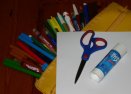
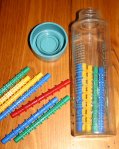
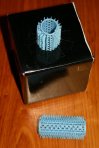
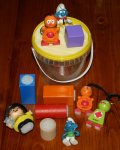
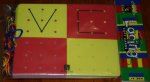
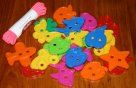
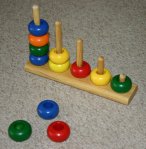
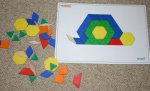
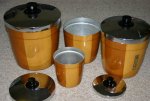
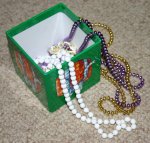
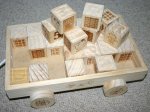
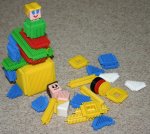
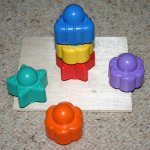
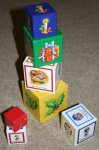
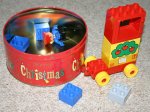
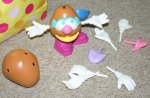
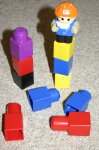
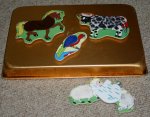
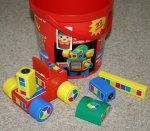
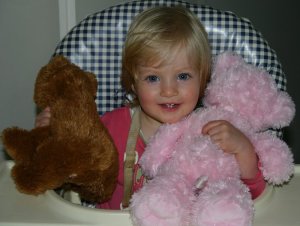
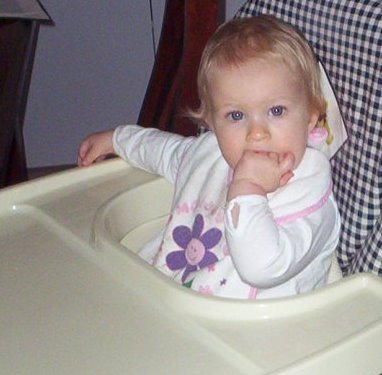
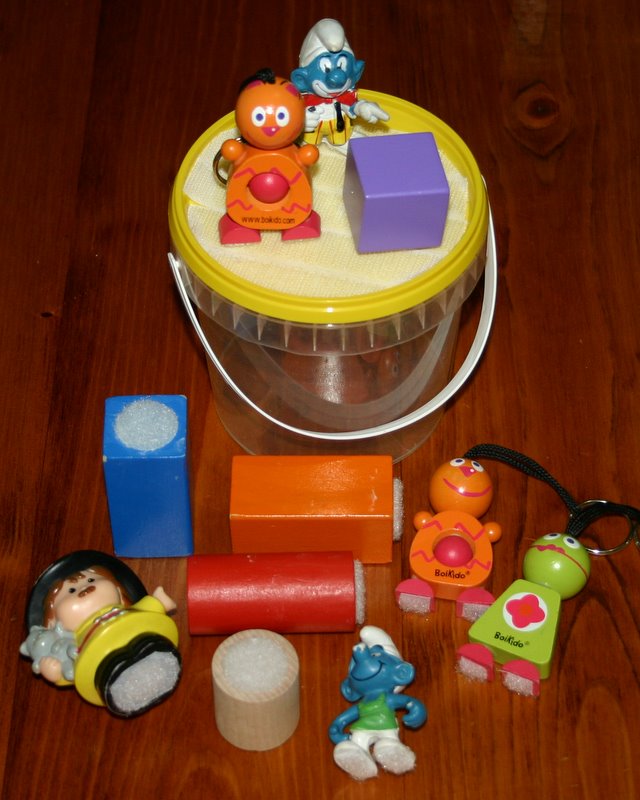
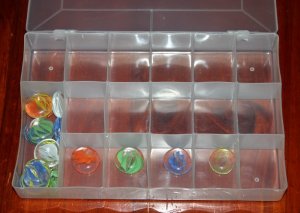
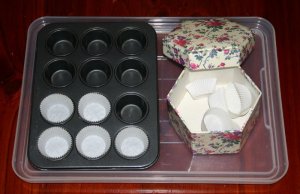
Following on from this weeks posts about highchair time and highchair time activities for babies, here are some pictures of commercial toys I use with my babies and toddlers for highchair times. Go for a walk around the house and see what there is to collect. If you have older siblings, you’ll be surprised what you can borrow from them to keep a toddler happily playing.

(Home-made practical life and other toddler activities will be posted individually from time to time under workjobs and Montessori activities.)

Routines: Highchair time activities for babies

After the post about highchair time yesterday, I thought it would be timely to follow-up with some suggestions as to what to give an older baby or toddler in a highchair to hold their attention and promote the concentration and patience we are working on.

I like to think of toy types in phases of development:

1 to 12 month old babies love toys that are good to mouth and sensory based toys that make sounds, feel interesting and look visually stimulating. Obviously within this age range there is a big difference in the kind of baby toy they are interested in, but in essence they are all “baby” toys for holding, touching, pulling, sucking, crinkling etc.

12 to 20 months olds enter the transition zone. Over the next few months the baby toys begin to lose their appeal and imaginative play has not yet kicked it properly. This means that the shiny red car is looked at, possibly mouthed for a minute or two, shaken, the wheels are spun around a couple of times, possibly pushed along and interest is gone. It doesn’t DO anything exciting and the child does not yet identify it as a small version of a car and drive it around making car noises because the pretend play element is not there yet. What they do like are toys that respond to their actions – that DO something. Pull a lever and an animal pops out, pop a ball in and music plays, tap the pegs and the turtle’s head pops out. This is the hardest age to supply toys for, because interest dies very quickly and those bright, colourful and interactive toys are expensive. You can join a toy library, swap with friends or make your own. (Lots of ideas coming soon.)

20 to 24 month olds and up are beginning to use their imagination, especially if they have siblings or a willing parent to show them how to play. They will begin to have tea parties, feed a teddy, set up the train tracks and create their own pretend play situations. The possibilities open up enormously and this age is so much easier to cater for.

In general, there are some great baby and toddler toys that can be purchased, however interest in most is short-lived as the child moves on to the next developmental level or simply has seen it enough to no longer be attracted to it.

Why not capitalise on the toddler’s natural attraction to learning new skills, copying Mum and Dad and using “real” things around the house to put together your own activities. They are cheap to make and can be disassembled once interest has passed. Important practical life skills can be introduced that will be used every day, many of them developing fine motor skills that will be vital for pencil grip and general hand control later on.

Here is my list of activities to make for babies with instructions for each. Practical life and general toddler activities will be posted individually from time to time and categorized under workjobs and Montessori activities so keep an eye out for them.

Routines: Highchair time

Do you want your baby or toddler to be able to sit and focus for an extended length of time? Do you want them to be able to sit and wait patiently during an unexpected delay in a public situation? Do you want time to tidy up the kitchen after meals, clear and wipe down the table and move to the next activity of the day without leaving a trail of devastation that needs to be cleaned up later?

Like all behaviours and character traits, we must actively work to build patience and concentration in our children. Highchair time is a practical way to achieve this goal with our little ones. It is easy to consistently implement and work into the daily routine without having to change much at all.

After each meal is finished, simply wipe up your child and hand them a book to read or small toy to play with. Around 20 minutes is a good time to aim for and if put into place after breakfast, lunch and dinner, gives you three daily training periods to work on these skills.

Initially, your little one may not be thrilled with Mum’s new plan and a common response will be to cry, complain, whine, throw the books and toys down and other such behaviours. If you ignore this kind of behaviour and simply go about cleaning up the kitchen, you will find that over the next few days, your child will be showing great strides towards happily sitting and concentrating on whatever it is you have chosen to give them.

If you pick up toys that are thrown down, then a very amusing game of fetch will be instigated. You may leave a child for 5 minutes and then return a dropped toy, instructing them that they need to stay in the highchair until Mummy is ready to get them down. If it is dropped again, leave it there. They will soon come to the conclusion that it is better to have something to do than nothing at all and keep what they have been given.

You may need 3 or 4 little toys or books and change them over every 5 minutes or so to keep their interest,  however this should be in Mum’s timing, not the child’s.

If you have heard about the 4 personality types, you will know that a choleric child loves to be in charge. A lot of the battles you have throughout the day and at bedtime with any child, particularly the choleric child, will be eliminated by instigating a parent led routine throughout the day, rather than allowing your young child to plan their own day or giving them large blocks of free time to fill.

An excellent resource for routine planning is Terrific Toddlers by Mel Hayde. It is my “must have” toddler and young child training book and I have gone back to it over and over. It is an easy read but is full of wisdom and excellent advice that will enable you to love the toddler years and eliminate the “terrible two” syndrome that everyone talks about. I will be posting ideas of activities to give your little one during highchair time over the next couple of days.

Travelling with young children – plane trips

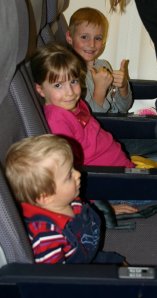
Earlier this year we took a plane trip with 5 children aged 8 and under. While our children are generally well behaved, it was not without some trepidation that we embarked on this experience, particularly when we thought about the long hours with TWO 15 month old toddlers to keep entertained.

We also had 5 days at a conference once at our destination and although there was one session per day of children’s activities planned, we had potentially a lot of time throughout the remainder of the day when we would have to keep the children quietly entertained. What to pack?? Here is our survival list, both for the plane trip itself and for quiet times throughout the day.

1. Snacks

Any parent of young children knows that you never leave home for any length of time without snacks and this was no exception. We bought an assortment of dry snacks and treats that wouldn’t make a mess and shared them out between little ziplock bags. Each bag was labeled with the child’s name and when it was for; one for the plane ride over, one to come home and one for each day of the conference. They included yoghurt coated sultanas, mini pretzels, dried banana, several varieties of cereal, tiny teddy biscuits and a lollipop per bag and as we rarely buy this kind of food they were a real treat.

2. Books

  

A couple of new books (new to the kids anyway) and a few favourites that were suitable for all ages. At one point we looked over and the big burly gentleman that had the dubious pleasure of sharing a row with us was reading one of the books to our 3 ½ year old! Not sure how that came about but it was very cute.

3. Sticker books
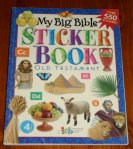
Another quiet and absorbing activity and as we were catering for a variety of ages perfect for us. The three older children all love to do stickers, particularly the girls.

4. Drawing equipment
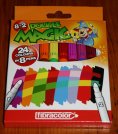
     

Magic markers (they change colour when you draw over the top with the colour change pen) were new to the children and so had novelty factor. A mini whiteboard and eraser is good for even the littlies under supervision and a general supply of gluing, cutting and drawing equipment was useful for when other children wanted to join in.

5. Activity books

Dot to dots, mazes, colour-by-number and other simple puzzles keep the older two busy and number 3 enjoys simply colouring in the pictures.

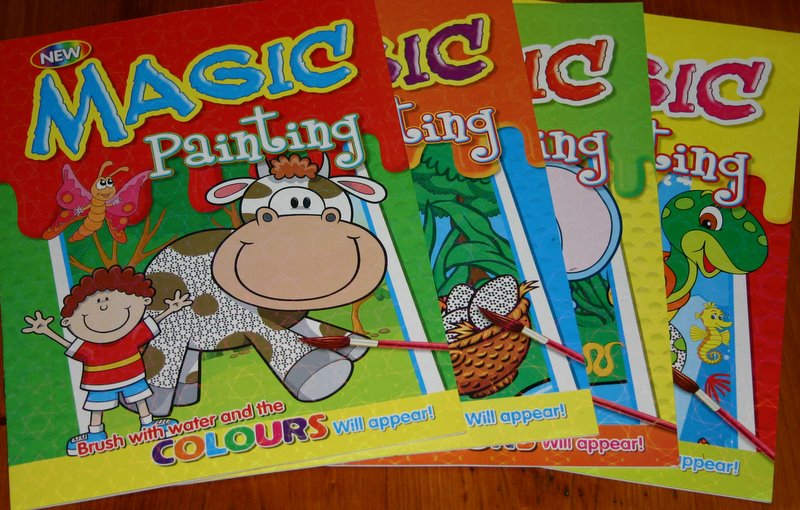
6. Water painting books
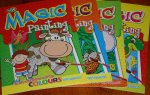
These are brilliant. A small brush and a little water is all that is required and the pictures change colour in front of their eyes. The children especially loved these, although they completed them very quickly and they were fairly pricy considering the small amount of time they occupied. I had a lot of trouble locating any in the shops and ended up buying this set on ebay for around $5 per book including postage.

7. Toddler toys
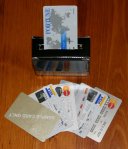


I find toddlers the hardest to cater for. They have the shortest attention span and are easily bored with the toys they have already used at home, plus commercial activities often tend to be large and bulky. I have found with my own children that a selection like the ones above of new activities with equipment I can gather from around the house is even better that trying to pack their usual toys and holds their interest longer because they are new. I also capitalized on current interests such as putting on hats, brushing their own hair, Velcro, posting objects etc Obviously, behaviour training is very important and teaching toddlers to sit and concentrate at home during highchair time, mat time, playpen time and other structured elements in your routine pays off in situations like this. If a toddler is not taught to sit still and focus on an activity and to stay where Mum and Dad put them, then a plane ride is not going to be a pleasant experience at all.

8. Playdough

I didn’t get this out on the plane but it was a nice afternoon quiet time activity and was easily shared with new friends.

9. Lacing and sewing activities
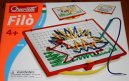
    

I purchased the Filo lacing and lacing cards from Skillbuilders, an occupational therapy business. They are excellent for fine motor control but do require more effort. I use these in my homeschooling activities but find that the children would not generally choose to use them just for fun. They were well used on the trip though simply because they were new.

10. Toy cars

Again, good for all ages and compact for travel. We were allocated one item of carry on luggage and one suitcase per person (including the twins), plus a baby bag, a portacot and a twin stroller and we used every single bit of it. The eldest child dragged two carry on suitcases on wheels, the girls had one each plus a jacket and hubby and I had the rest between us plus 2 babies. Moving about was not an easy affair but we did get excellent service as the air hostesses took one look at us and instantly we had pity factor. Especially when we first arrived and hubby went to park the car after dropping us and the luggage off at the entrance. I was asked in horror(?) if I was travelling alone with the children as the bags were carried through and we received one on one attention to get through the queue.

11. Wikki Stix

These are wax coated bendable sticks (also known in Australia as Bendaroos) that will stick to themselves and almost any smooth surface. The children can make models, spell out words, make pictures and put them to a variety of other uses due to their open ended nature. They are clean, quiet, small and easily portable so brilliant for travel. I did read on one parenting forum though that they are poisonous if ingested so without knowing if this is true or not, I am very cautious with the twins not to let them get a hold of them.

Two more activities that we didn’t take this time, but have used for travel activities in the past are:

12. A roll of alfoil.

Yep, that’s it! You’d be amazed at what kids can do with a roll of alfoil; it makes an excellent sculpting material. I trawled the net and found a bunch of pictures and included these as springboards for ideas and they went from there.

13. A packet of pipe cleaners.

Again, I found heaps of pipe cleaner creations on the web, printed them out as ideas and the kids created to their heart’s content.

In the end, we only used half of the activities that we took, but we made it there and back in fairly good humour and the people around us didn’t have much to complain about!

Check out this post and this one for more related travel activities for toddlers and children.


Preparing for a new baby

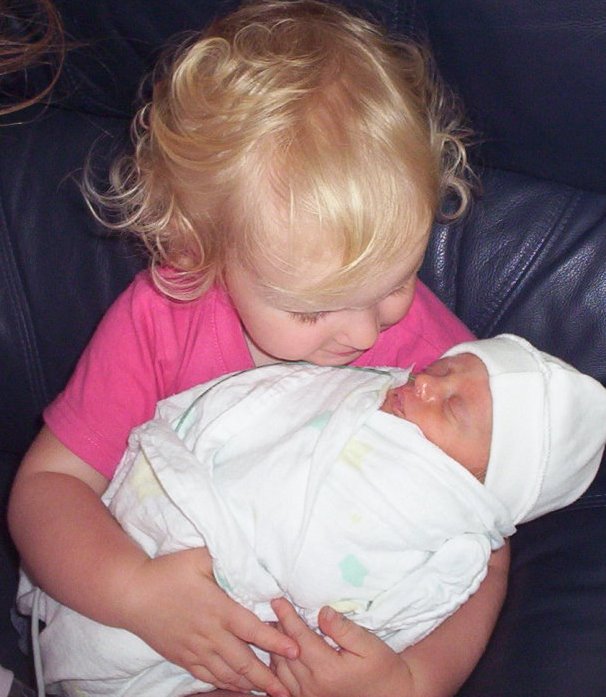
Having now prepared 3 toddlers for the birth of a sibling and about to do it all again with 2 more, I thought it was time for a quick review of some of the ways to do this so that the whole family greets the newest arrival with joy and enthusiasm. I have tried all of these ideas myself and the transition that occurs when a new baby joins our family has generally been fairly smooth.

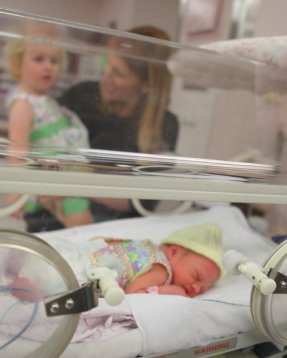
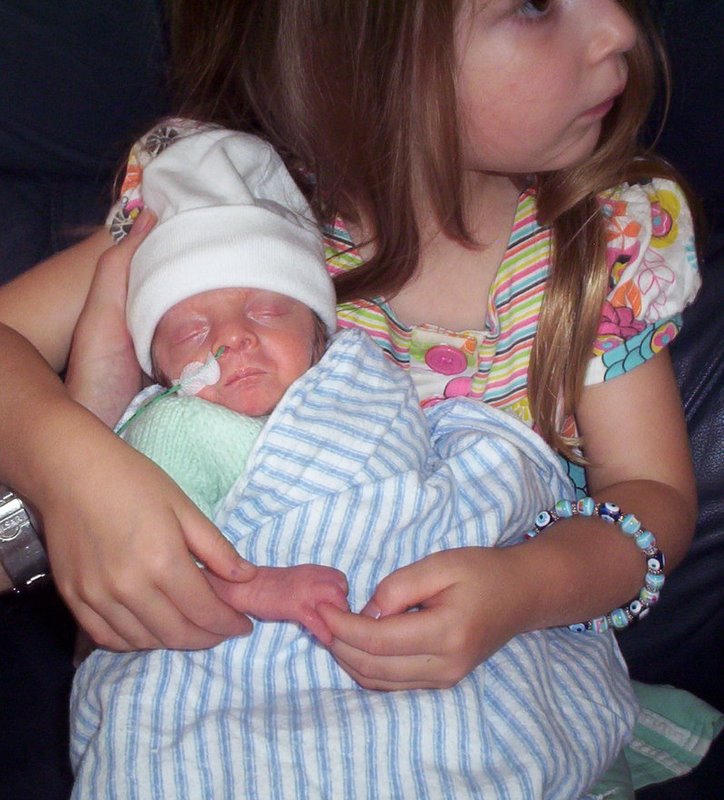
The hardest so far were the twins who were 9 weeks premature and stayed in hospital for 7 weeks. That put a bit of a spanner in the works, however we still tried to keep everything as smooth as possible and have not seen the jealousy that some families experience. The rough road with the twins stemmed more from me being away for home on a daily basis than any negative feelings over the babies themselves and the children were so glad to finally have their babies (and Mum) at home with them. They have in fact been heard to complain that we should have had triplets as there are not enough babies to go around.

My “how to” includes:

  • Put routines in place well in advance to give you time to work through the kinks before bub arrives. Think about feed times (how many and when they may occur) and plan around these. You may have around 5 feeds when toddlers are awake to begin with, so plan good independent activities for these times that they are well used to doing without your help or interaction. If you can’t mop the floor or cook dinner in peace now, with a well occupied toddler, then there is no way you will be able to breastfeed in peace later!
  • Involve siblings in choosing a gift from them to the new baby and have the baby “buy” one for them in return. When the children came in to the hospital for their first visit we always have a small gift waiting for them in the baby’s cot. Gifts are exchanged after time with Mum and meeting their new baby.
  • Plan for their first meeting with the new baby to be a time when there are no other visitors around to compete with Mum and Dad’s attention. Try and time it so Mum is not feeding or holding the baby so that she can greet children with a big cuddle and kiss before introducing the baby.

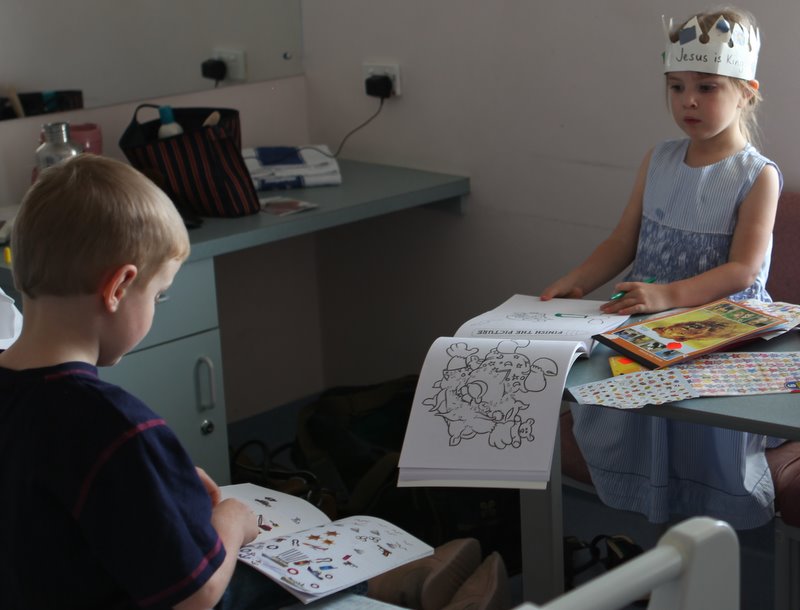
  • Have children visit regularly if you will be staying in hospital for any length of time and take a pack or box of toys, activities and small snacks to the room. The novelty of looking at a sleeping bundle wears off very quickly! Mine still remember that we let them have mini tiny teddy packs when the third was born. It was a highlight for them! Poor treat deprived children! 
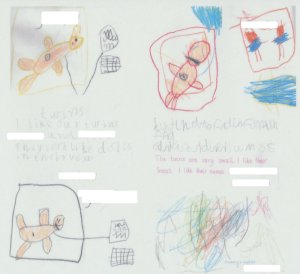
  • While the twins were in hospital, the children all drew pictures and wrote about their new babies. I scanned and shrunk these on to one A4 page and laminated them. They were stuck up on the end of each of the twin’s isolettes. Every time the older children came in to visit they could see their special work on display.

  • Ask friends and family to be mindful of not bypassing older children for the baby during visits. They can fuss over them being a big brother or sister now as well. That said, of course this will happen to some extent regardless, just be a little aware and try to make them feel special too. Children also need to be taught to be happy for their sibling when they receive something special. This is your first opportunity to begin teaching this attitude. There is no need to have a gift for the older children every time the baby receives one, but there is something to be said for keeping that side of things a little low key.
  • Get all changes to bedrooms, big beds, car seats etc. made well ahead. Closer to the time, talk about where the baby will sleep, where they will go in the car, their room, that you will be away for a little while, who will look after the children and any other arrangements you can think of. Do not tell children they will have a brother or sister to play with – there will be no playing for a very long time!
  • Practice being gentle with teddies, pets, dolls, teddies and other babies and talk about delicate bodies, being easily hurt, not touching faces etc. This is especially important for the toddler in the family.

  • Read books about caring for babies but be wary of the kind that promote the idea that there will be jealous feelings, Mummy and Daddy will be too busy for them now and other negative themes.
  • Borrow/buy/make a baby change mat, mini bath, little bed or any other baby related stuff you can think of, with all the accessories like spare facecloths, nappies, cotton wool, empty paste container etc for children to use with their special teddies and dolls. They may enjoy making them out of boxes and cut up fabric and other bits and bobs close to the time that bub is due. Even young boys at this age will often be surprisingly into this for a little while before reverting right back to their car loving selves. When you are busy bathing or with some other baby chore they might like to copy and work right alongside you with their own “baby.”
  • Have lots of really positive conversations about how wonderful it is that they will be a big brother/sister, how lucky they are to have a new sibling coming, how much the baby will love having them as a big brother/sister etc.
  • Pray. This is a wonderful time in a family and babies are a gift and blessing from God. Teach your older children this attitude right from the beginning.

Mat time

Mat time training allows you to go anywhere and place a simple boundary on the ground for your child to play quietly in while you can relax knowing they are safe, quiet and happy. It is wonderful for those situations where a roving, noisy toddler is simply not welcome or could even be dangerous. It teaches children sitting and focussing skills and is excellent training for future learning situations that require extended concentration.

¨       The difference between room time and mat time is that there can be interaction during mat time (as long as the child stays on the mat) and mat times happen in sight of you, wherever you are working.

¨       Start with several smaller time slots throughout the day and work up to longer time periods at a single time in the day.

¨       Plan something to do that allows you to train during this time without becoming distracted. Remember, the purpose of the short time period to start with is to finish while it is going well and praise, praise, praise! Do not be tempted initially to extend the time in this training phase because it is going well and leave it until a problem happens – end on a good note.

¨       If a child tries to get off the mat immediately say “It’s mat time, stay on the mat” and gently but firmly move them back onto the mat.

¨       If the child is consistently getting off (and you are sure they understand the expectation to stay on) you may choose to put them into their cot. They can be bought back out after a short time to try again or if still getting off the mat, you may choose to have them finish the remainder of their mat time in the cot (or some other isolation area), with or without their toys.

¨       During the initial training period, you may choose to extend the time by joining the child on the mat once their capacity for independent play is exhausted. Be wary of letting them become dependent on you for entertainment.

¨       Further consequences can also be used once training is established and a child is still deliberately disobeying.

¨       Provide a few toys, not a lot. Better to change half way through than add too many at the start. Young children become overwhelmed with too many choices and end up unable to focus on anything.

¨       Toys that “accidentally” come off the mat are not returned. Use your discretion!

¨       Introduce packing away from first use – demonstrate first, do it with the child, then expect the child to pack away independently once they have mastered the skill of doing so with help.

¨       In order for a child to pack up independently, toys must be organised very simply e.g. open crates. Do not expect a toddler to pack toys into bags and boxes.

¨       Start when you know you will be able to be home for a few days in a row and consider introducing the mat several times each day for small time increments. Once you are ready to extend the time, once a day for a longer period may be sufficient.

¨       For young children, consider doing it through the weekend until well established

¨       Have it at a similar time each day

¨       Consider having some special toys that only come out for mat time or take other toys out of general circulation so they become interesting again.

One-to-one correspondence

One-to-one correspondence is a basic mathematical skill and without it children are unable to count accurately. To be able to say one number to one object seems very simple, but anyone who has ever watched a child who is in the very beginning stages of counting will have seen them saying numbers out loud while pointing or touching objects, without those numbers actually matching up with the objects being counted!

Another simple developmental counting error you will see is a child who counts the same object more than once or skips objects entirely. Presenting activities that allow opportunity in a self-correcting way to practise this one-on-one correspondence helps put in place the experience necessary for successful counting.

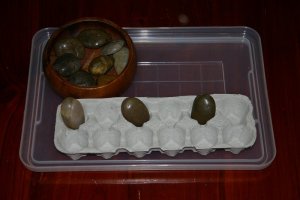
They are self-correcting in that there should be only one object in each compartment and running out or having some left over allows the child to see that an error has been made. These activities can be presented to children anywhere from around 18 months and upwards, depending on the developmental level of the child.


Toddlers and Cupboards.

What is it with toddlers and cupboard doors? They are naturally fascinated with opening and closing doors and of course checking out what you have stored away inside your cupboards. It is possible to simply train your toddler not to open any cupboards in the house and this may be the preferred option for you. I have in fact done this with several of my children, with the idea that I don’t want to clean up any more mess and that children need to know their physical boundaries and simply obey their parents.

While obedience and boundaries are certainly important, I have slowly come around to the conclusion (helped by having twin toddlers) that it is simply easier for everyone if there is one special door (or drawer) that toddlers can be directed to when they are itching to explore.

They will still gain the understanding that there are physical boundaries and need to obey when Mummy says “Don’t touch,” however being able to redirect that interest with the simple instruction to “Go to Jamie’s cupboard” makes obedience more palatable for them. Some parents use the plastic storage area, the pots and pans cupboard or clean out a bottom drawer. I have a ground level cupboard with a shelf that I fill with a small selection of books and toys and occasionally rotate.

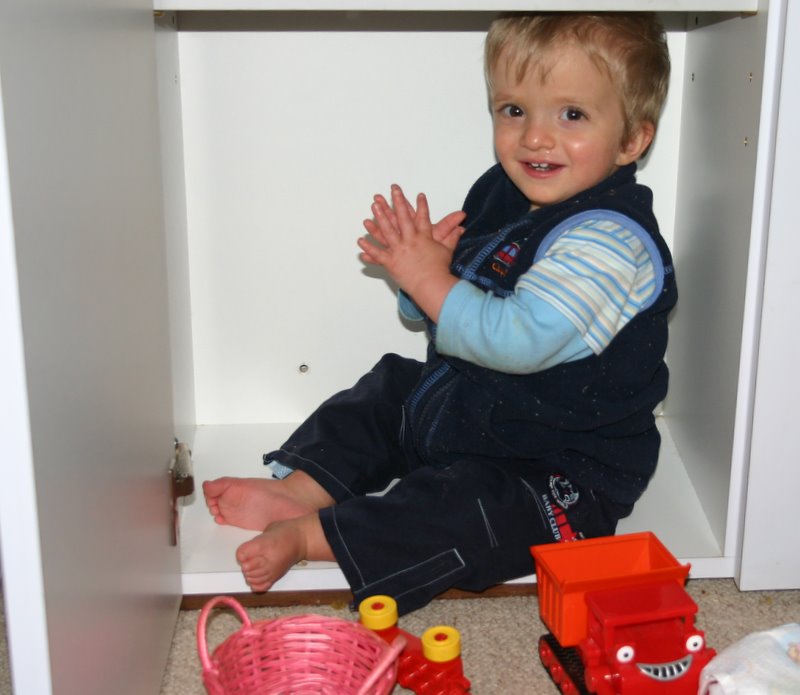
As you can see by the picture, the attraction here is the cupboard itself, rather than the toys and it didn’t take long for the twins to work out how to remove the little shelf and insert themselves – usually at the same time!