Sensory tubs; A rainy day and new baby activity

sensory table aerial shot all 6 IMG_0273

With a new baby on the way and wet weather kicking in, some plans for rainy day activities have become my priority. I have used mini sensory tubs in the past with great success as individual activities, but this time I want to keep several little people busy at once. After trawling the web and building up an inspiring Pinterest list of ideas, the last step in the plan was to find a suitable container.
sensory table empty IMG_0255

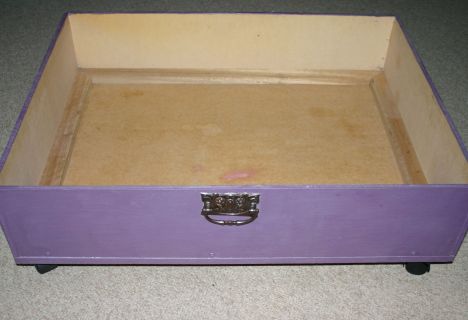
While a large, shallow plastic tub will certainly do the trick, as will a scrubbed out water play table, I was lucky enough to find a secondhand wooden under-bed drawer that is ideal. It is on castors so I can push it to wherever we want to use it and then simply cover it up and roll it back under the gamesroom table to get it out of the way. Being wood, it is also strong enough that if the children lean on the sides it won’t break.

sensory table set up IMG_0255

After raiding the pantry for some oats as the first play experience, I fished through the cupboard for suitable play accessories. Bowls, trays, scoops, tongs, measuring cups, ladles and jugs were laid out in an “invitation to play” as I have recently heard it termed. (Basically just placing materials in a way that attracts children to the activity.) I know some people don’t like to use food as play because they feel that it is wasteful, but I do keep my basic manipulatives (rice, oats, pasta etc.) and reuse them over and over again. I have rice in a container in the cupboard that has probably been used for 7 or 8 years now.

sensory tub all 6 better background IMG_0272

Initially all 6 children were excited to play (Yes, even the 11-year-old boy!) so I added some extra accessories (jars with clip lids, plates, jugs and teacups) to cope with the numbers. This turned out to be a little difficult to manage however and with friction developing (read bickering, arguing and annoying each other) I directed the older three to go and find another activity and leave the younger three in peace.

sensory tub 3 youngest sharing tea IMG_0285

This was a much more amicable arrangement and much baking, cooking and food preparation was enjoyed for almost an hour in total.
sensory tub clip top jar IMG_0289

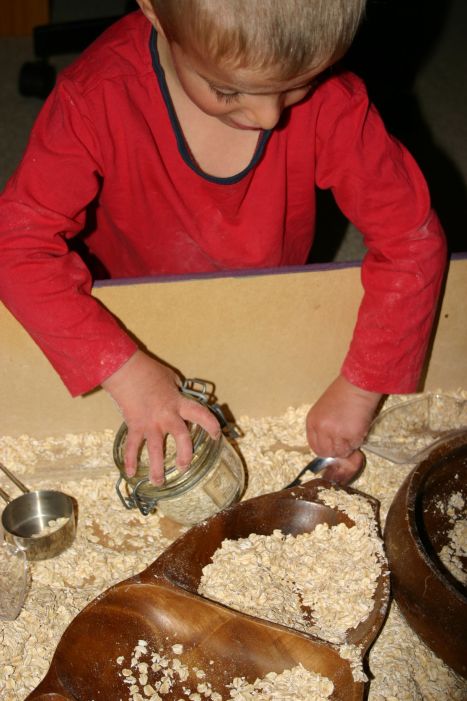
Of course the 2 clip-lid jars turned out to be the favourite accessory so some patience and sharing practise was required! (Why is there always one item that everyone wants?)  Note that his hand is firmly attached to the top and I don’t think was removed for more than a second at a time to ensure that nobody else got hold of the jar!
sensory tub tongs IMG_0283

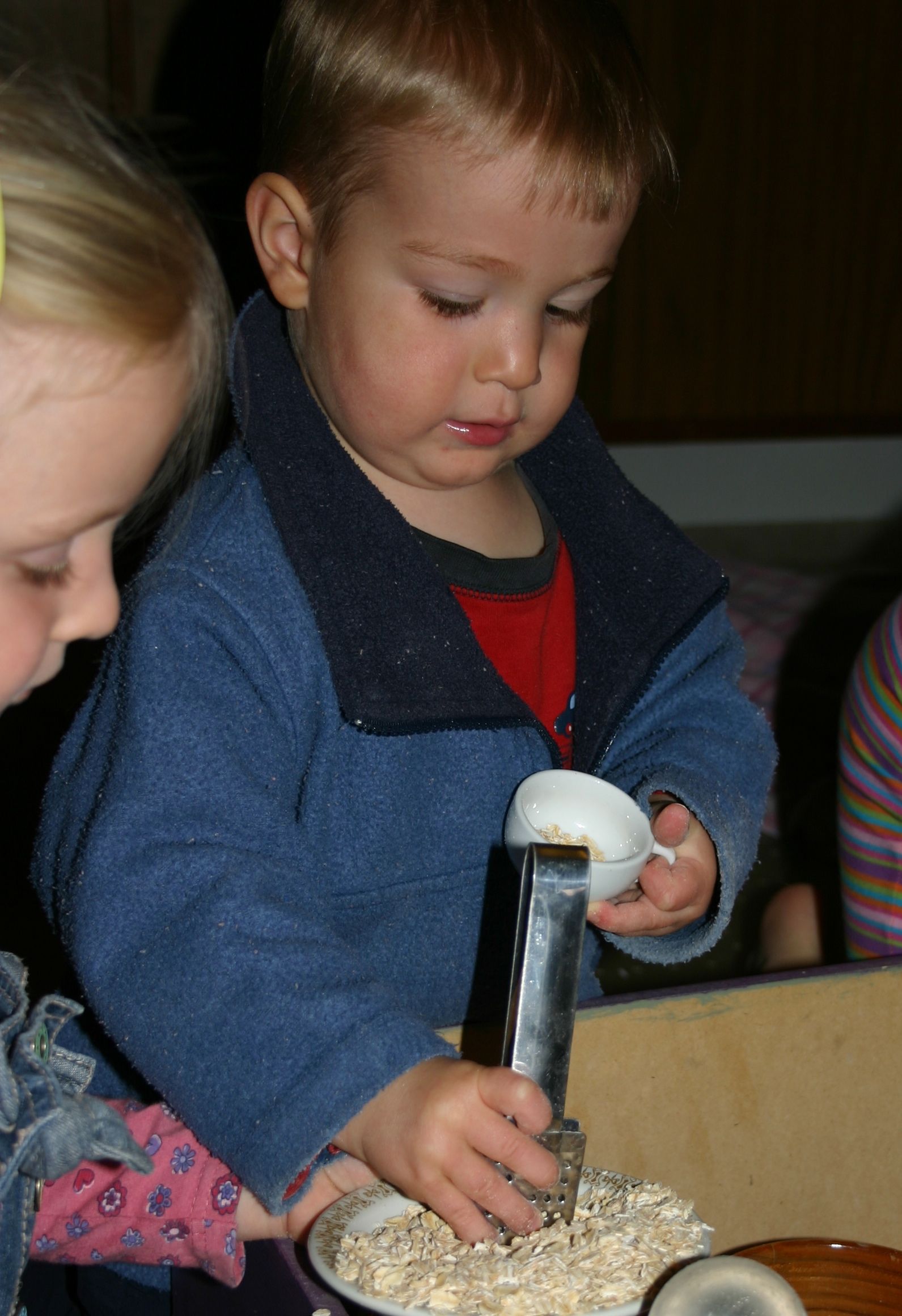
Tongs are such great practise for fine motor skills and help develop finger strength for pencil grip later on.

The one rule I made before we started playing was that the oats and containers had to stay in the tray, not on the sheet. This did require some reminding when all 6 were playing as there wasn’t enough room for them to spread out everything they wanted to do, but once three children were using the sensory tub I only needed to remind the youngest a couple of times to keep the oats inside. Any deliberate spilling would mean that the offending child was done with the activity.

I cover the box with a large sheet when it is not in use and it is this same sheet which is spread on the floor to catch any accidental spills. When play is finished, I roll the box off and pick up the sheet by the 4 corners, simply tipping the spilled oats back into the tub. There were a few strays left behind but as we have a new vacuum cleaner it was quite a novelty for the little boys to fight over take turns cleaning up the couple of oats that got away. On hard floors a quick swish with the dustpan would have done the job.

I can see hours of fun ahead throughout the winter season and we will keep this as a special rainy day only activity. I plan to change the accessories every week or so to keep interest up (leaving the oats in place) and completely change the entire contents about every month. With the amount of ideas I have listed for items to add to a sensory tub, I have enough to keep going for years!

What are your favourite rainy day activities?

(After using our oats tub for a week or so I have made a few adjustments; see here.)


Preschool at my house – large family homeschooling (with toddlers!)

finger painting cleanup IMG_9912

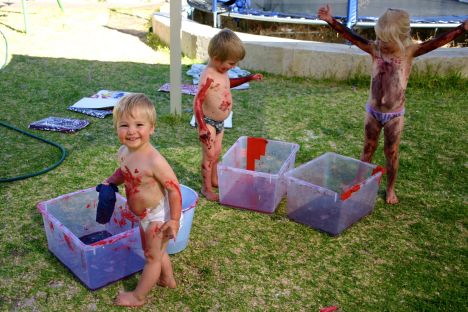
Fingerpainting – 5 minutes of actual finger painting (in the bottom of the tubs) then 45 minutes of cleaning up! First the tubs, then the kids. They did seem to have fun though.

I have been asked a few times recently what I am doing for preschool with my 4-year-old children. There have been no major changes to how we have always done things; we just take the sitting and focussing skills they have already been learning during mat time, playpen time, room time, highchair time and other periods of focussed play and apply them to the next level of hands-on learning.

We have been focussing on basic counting skills, learning our letter namessounds and identifying initial sounds (moving on to 3 letter words) and other hands on activities that promote fine motor skills. (Plus some other kindergarten style activities that are pretty much just for fun.) I work with just the twins for 20 minutes each morning, which gives them some focussed time with Mummy before I go on to the older children while the twins do independent activities on their mats.

This short period of time I know by experience (coupled with the learning they receive during our daily flexible routine, reading times etc.) is enough to give them a strong start in all the learning areas as they get older. Preschool need not be particularly complicated, formal or arduous to be effective and it does not need to take all day. We do some more formalised work at this age because they are ready for it and enjoy doing “real school” like the big kids. If these two factors were not in place I would back off until they were ready.

Here is a snapshot of the activities we have been doing over the last 2 weeks.

twins school cu0pboard 2 IMG_9839

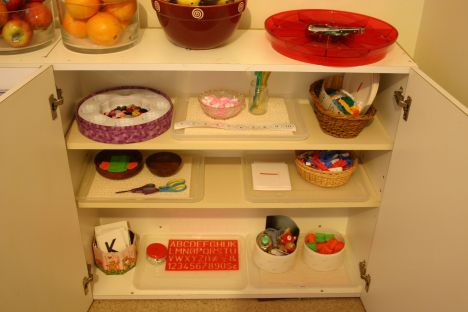
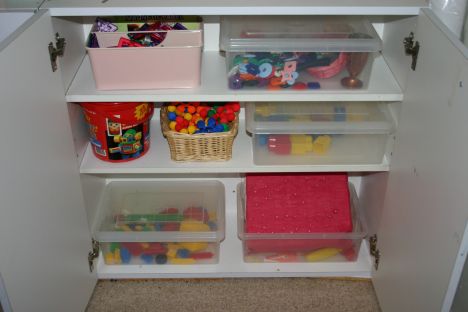
Our preschool activity cupboard for “school with Mummy” time.

mat activities IMG_9858

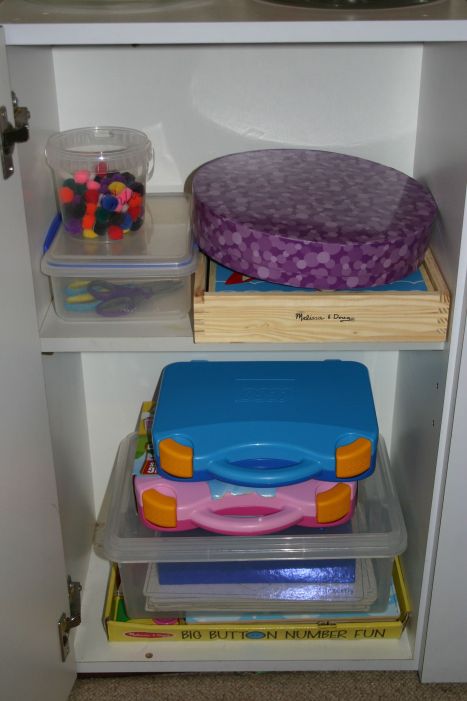
Mat time activities cupboard – Lego, counting button puzzle, pattern blocks and puzzle cards, button sorting, cutting and magnetic pompoms.

numbered lids counting 1 to 10 IMG_9917

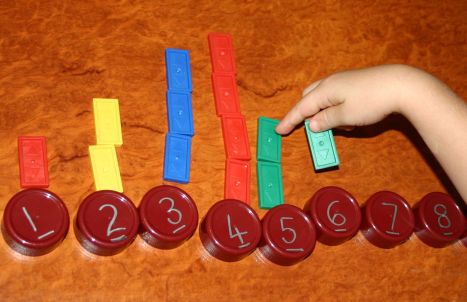
Counting 1 to 10. Spice jar lids marked with metallic pens and some plastic tiles to count.

hair lacky counting IMG_9833

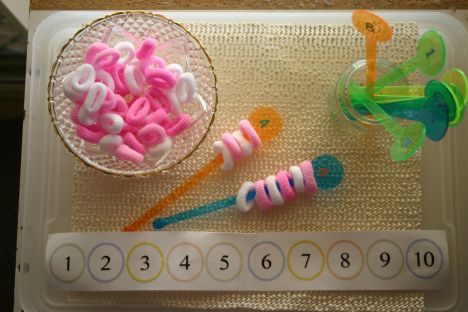
Hair elastics and swizzle sticks marked 1 to 10. The number strip is to follow until they know the order of the numerals.

jewels and creature cards counting IMG_9926

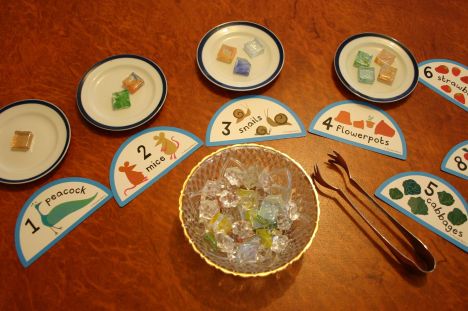
Another number sequencing and counting to 10 activity, combined with some tong work for pincer grip strength.

glass slippers IMG_9923

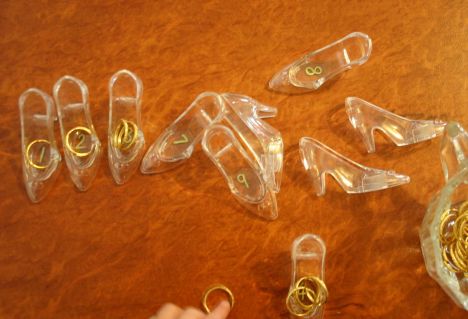
Counting golden rings to match numbered “glass” slippers (wedding favours.)

initial sounds worksheets J IMG_9973

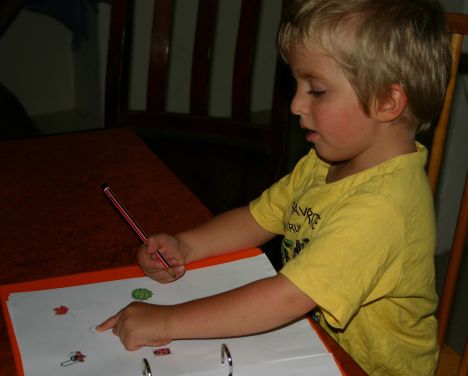
Initial sounds activity sheets. Just a bunch of pictures to decide if they do (circle them) or don’t (cross them out) start with the correct sound. Large letter in centre of page to practise letter formation in. Doing some written work makes them feel like the big kids – they love it! Takes 5 minutes so not at all taxing for me or them.

plate addition 2 IMG_9966
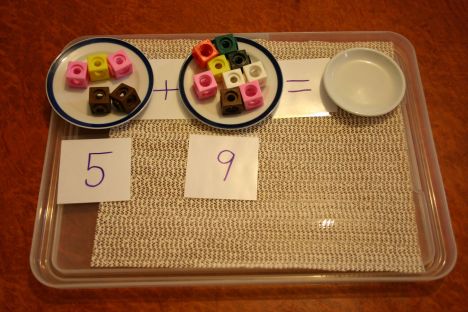
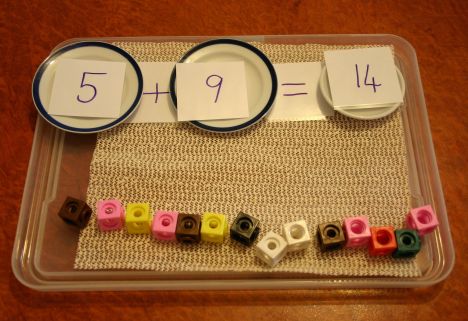
Addition tray. Now the twins can order numerals to 10 and display reasonable 1-to-1 correspondence we have started basic adding and subtracting activities.
plate addition IMG_9965

Ideally the plate for the total would be bigger than the other plates! The idea is that the two plates are tipped together into the last plate to find the total. I find however that having the blocks in a line makes it easier for them to count without re-counting the same block repeatedly.

twins doing addition trays IMG_9971

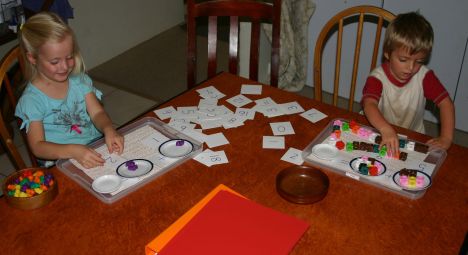
These school activities are definitely not independent as yet. The moment I left to take a couple of photos, my son started building trains with the blocks!

duplo 3 letter words IMG_0001

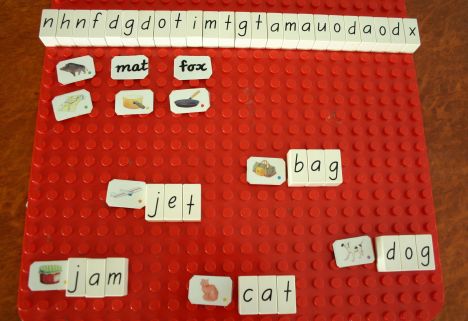
The twins have developed their ability to hear the initial sound in words and we are now working on 3 letter consonant-vowel-consonant (CVC) words. The next sound most children hear is the last sound in the word, followed by the middle sound. These letter tiles are Coko bricks that are compatible with Duplo boards. Good for beginning activities for non-writers or those who find writing tedious.

s sunflowers IMG_9870

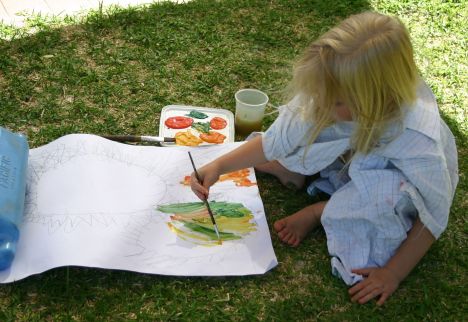
Art – 4 year old’s version of Van Gogh’s sunflowers. We actually got around to doing a proper picture study. Forgot to take photos of the older children’s work, but some of them were better than mine!

j sunflowers IMG_9868

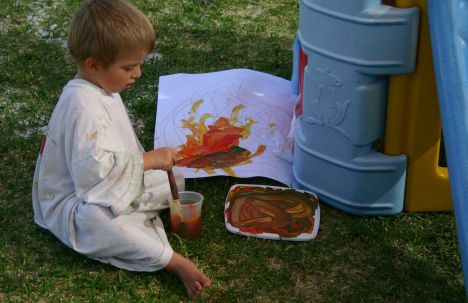
Who cares about sunflowers? I can mix all my colours into a great brown sludge!!

a sunflowers IMG_9873

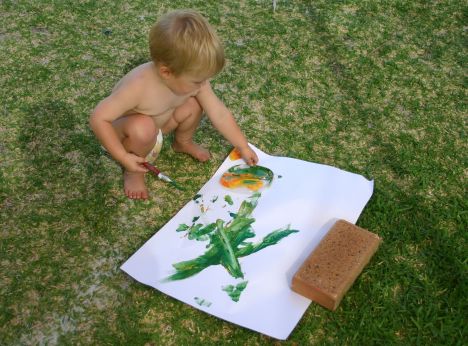
Toddler version of sunflowers. He actually didn’t want to paint anything at all. I practically had to make him do it just for the photo 🙂 Doesn’t like dirty hands!

twins school cupboard IMG_9859

What do you do with a toddler while you homeschool? Heaps of things!! Here are just a few and if you follow my blog at all you know there are many more ideas to be had. Step one – train them to sit and focus. Step 2 – find some engaging activities. Step 3 – pop them in the playpen when they have had enough of highchair time, followed by a good session of running around outside to burn off energy. That’s just the current morning routine while the older children get the bulk of their work done. It has changed many times.

magnet activity a IMG_9830

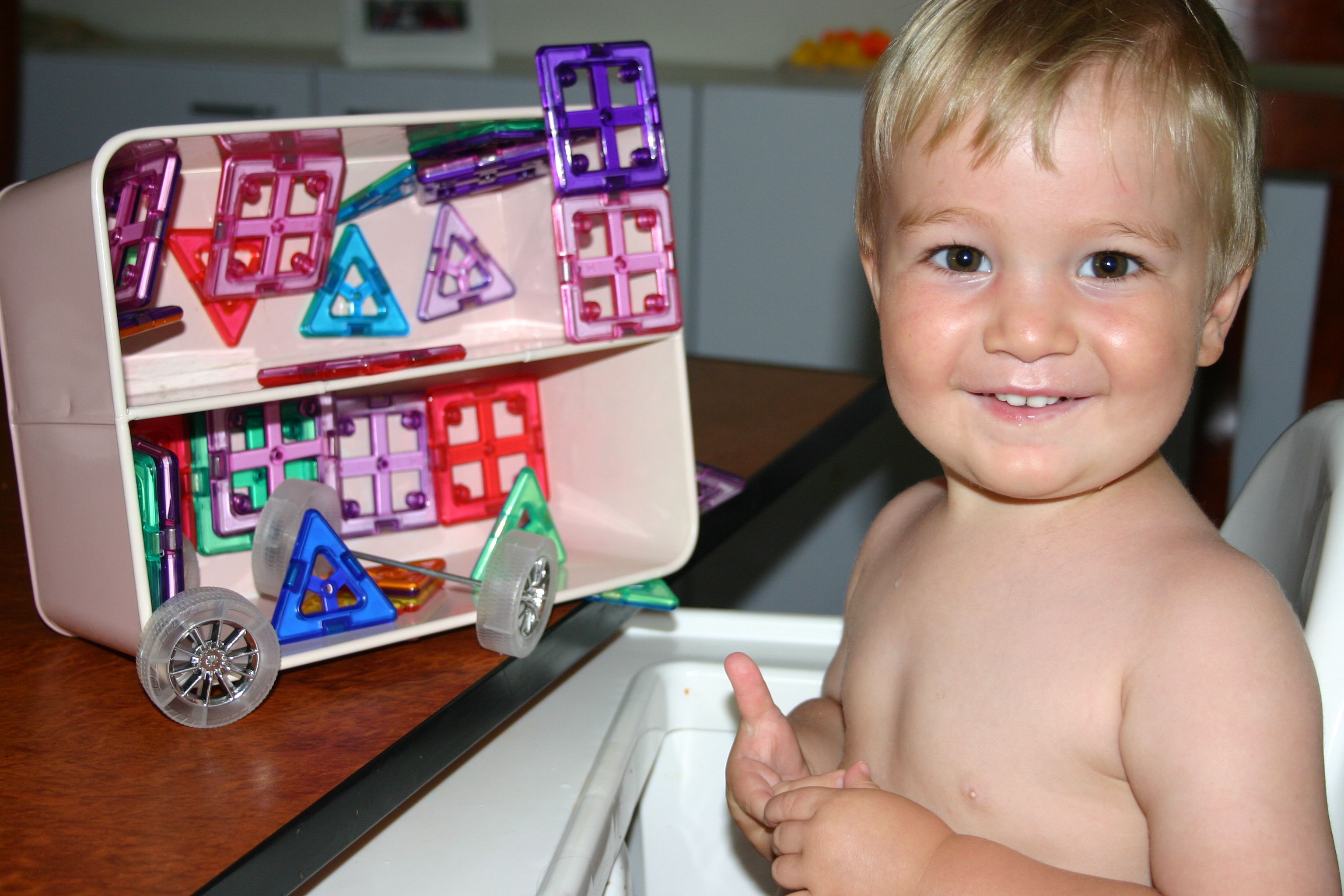
Magnetic blocks in a metal box. Stroke of genius to store them this way – NOT!! This was the only container I had and when I put them in it occurred to me that it would make a great building platform. Pure luck!

asher dressed up IMG_9937

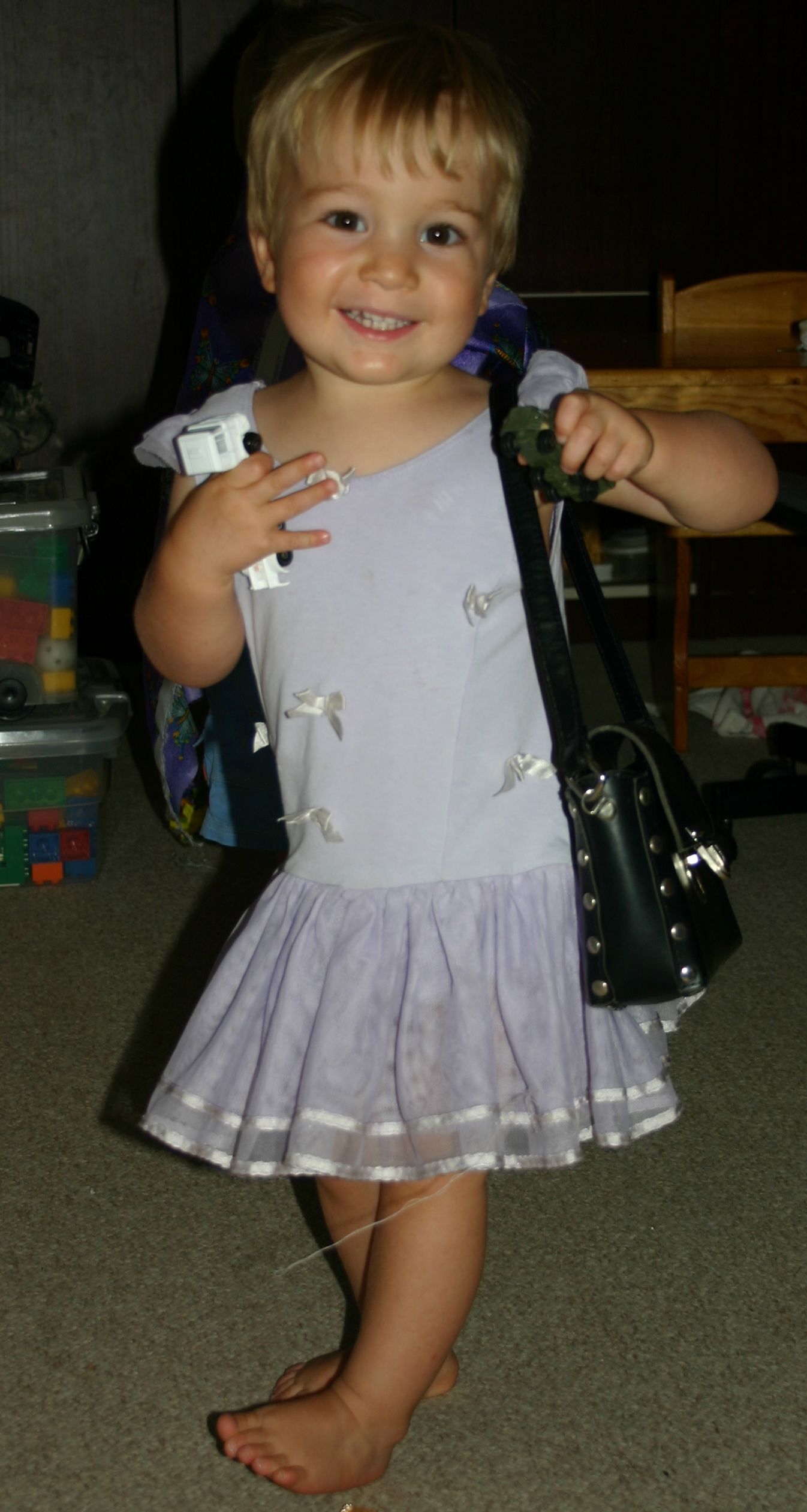
What has this got to do with school time? Nothing at all! Just another one of those great embarrassing photos we are storing up for our kid’s 21st birthdays. Plus, he’s so cute! For those who are worried about the girlie outfit, please note that he is carrying 2 trucks!


Toddler bags for out and about: How to get through a restaurant meal with a toddler.

IMG_8763

Any parent of young children knows that a meal out in a restaurant can be taxing with a toddler in tow. There are ways however to minimise the stress and make it a pleasant experience for everyone.

Firstly, train your child at home to sit in their highchair after meals for a period of time with a few toys or activities, or perhaps a book or two and include playpen time (or room time) and mat time in your daily routine. Having these daily periods where your child is used to happily playing with the toys you give them, whilst staying within a boundary, is excellent preparation for other occasions when they will need to sit quietly for a longer than normal stretch of time.

Spend a little time preparing some new and interesting activities that are kept aside for use while you are out. Either purchased toys and books or some simple (and cheap) home-made ideas like the ones that follow. Toddler’s generally do not have a well-developed imagination and tire of toys that don’t “do” something relatively quickly, so having to buy new things continually to keep up with their changing developmental needs and interest can become very expensive. These home-made toys are great for developing fine motor skills and hand-eye coordination and when introduced at the right developmental level, will be stimulating and interesting for your young child. If a task is too easy it will not hold their interest. Too hard and they will become frustrated and lose interest.

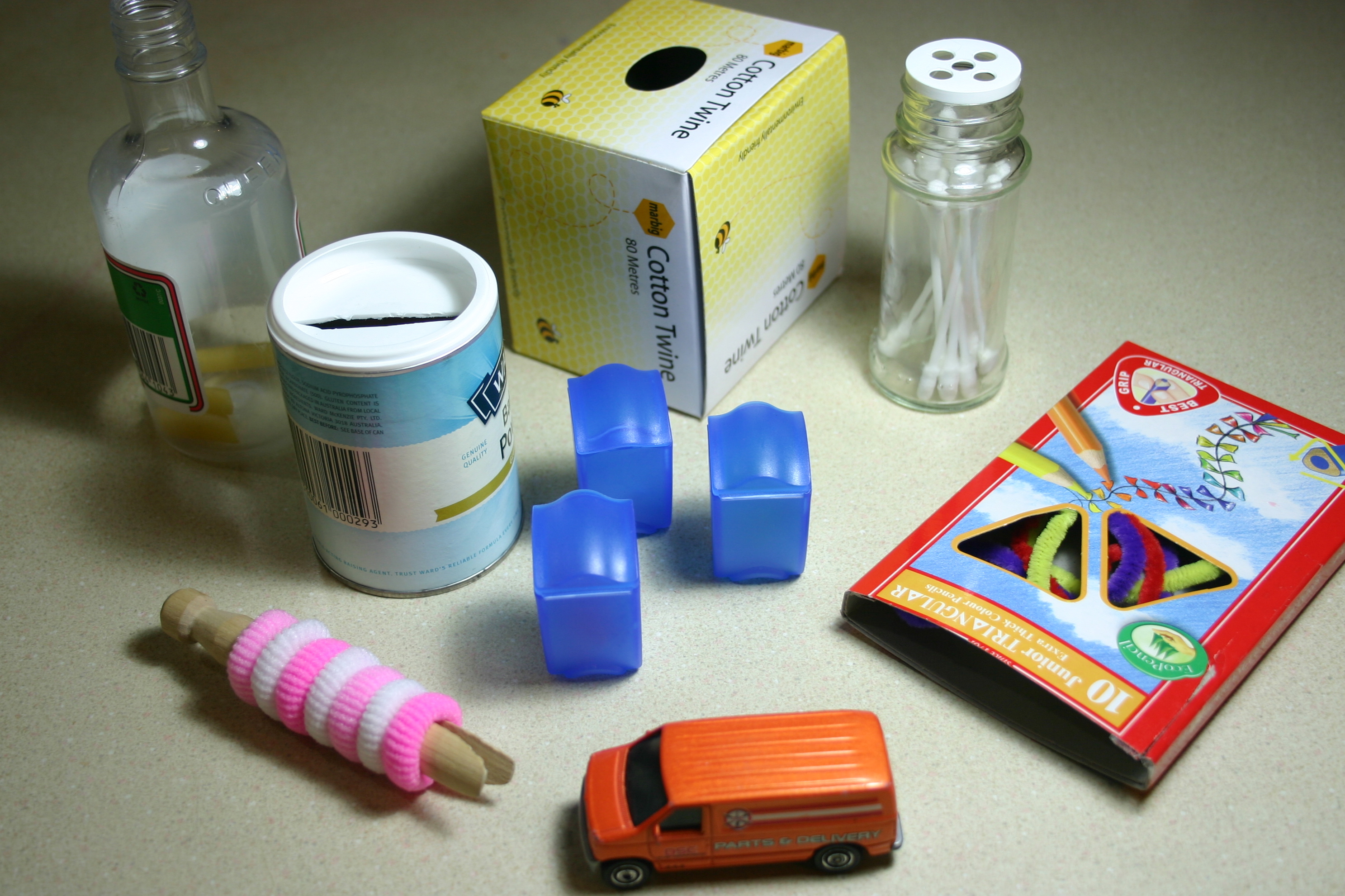
This is the bag of “toys” I put together for my 18 month old to use during a lunch we attended on the weekend. He only used a couple of them as I bought them out one at a time and only changed them over when necessary.

IMG_8759

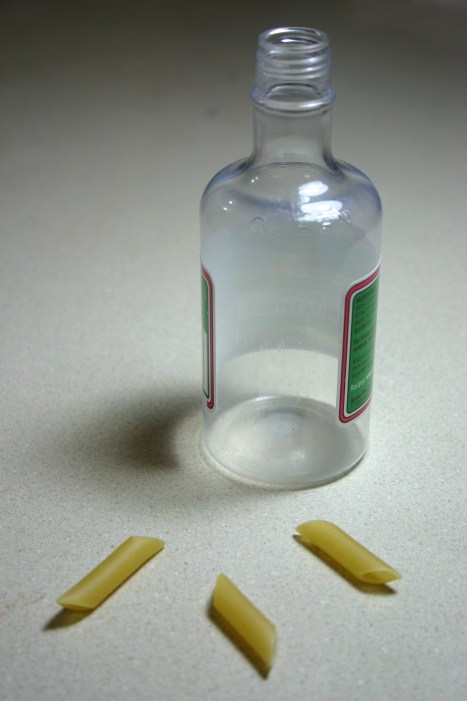
Posting bottle: Posting noodles into an empty vanilla bottle and tipping them back out again.

IMG_8761

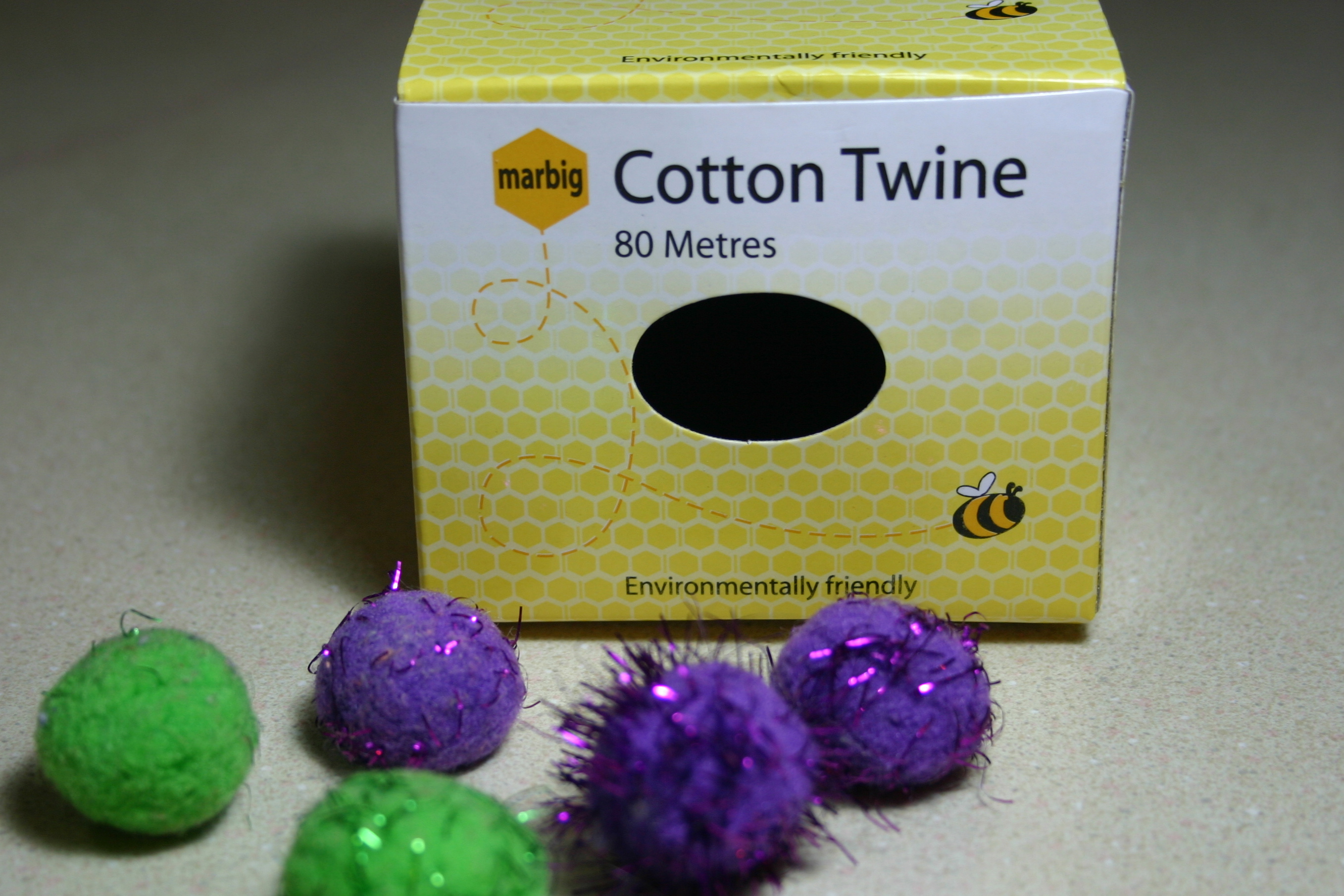
Posting box: Pushing pompoms into the hole in this twine box. Help is needed to open the box to tip them out again but as we are sitting right next to him this is not a problem.

IMG_8758

Small spaces jar: Posting earbuds into a spice jar with holes in the lid. He discovered after I had taken off the lid and tipped them all back out about 5 times that he could shake them out one at a time through the holes so that added a new dimension to the activity.

IMG_8752

Posting tin: Posting plastic poker chips through a slot into an empty baking powder container. Yes, I know, it’s another posting activity. But at this age, my son LOVES to post stuff so I’ll run with that for a while and change when he is no longer so fascinated!

IMG_8754

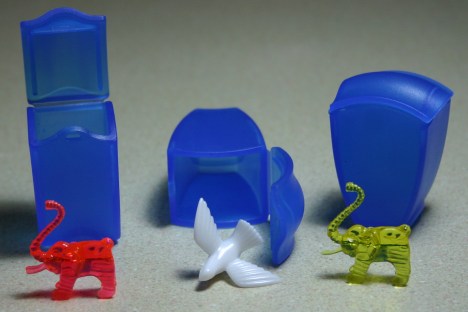
Surprise boxes: Opening and closing these little pill containers to find the small toy inside is great for fine motor development.

IMG_8749

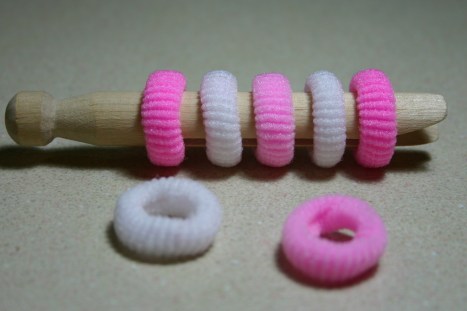
Dolly peg and hair bands: Sliding hair ties on and off a wooden dolly peg may be a little difficult for him but we will give it a go and see what happens. I haven’t used this one yet.

IMG_8750

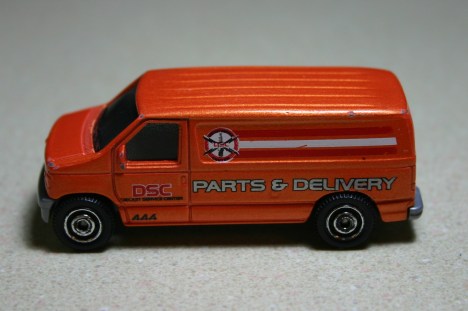
Dinky car: Having older siblings means that interest in cars has developed early and he knows how to play with them form observing his brothers.

IMG_8755

Pipecleaner box: Shoving them in and out and bending them into different shapes could be fun. (We haven’t done this yet either but I remember one of my older children using this idea as a toddler and spending a very long time poking the ends into the small holes in the chair he was sitting on.)

IMG_8764

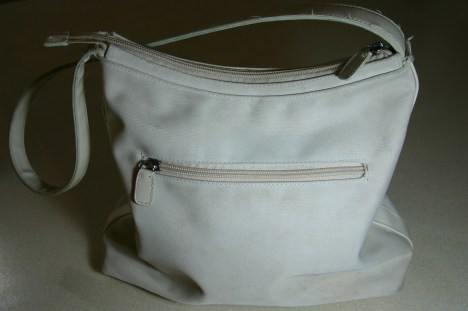
This old bag is how we cart the activities around. The fact that it has several different compartments as well as zips means that it is an activity in itself.

Having children will certainly change your life, but it shouldn’t stop you from doing the things you love. Train your children and you will reap the benefits.

Other posts you may find helpful:

Mat time on the go

Activities to make for toddlers and babies

Buffet training

Arsenic hour and toddler meltdowns

Arsenic hour and toddler meltdowns

IMG_8182

Arsenic hour is that late afternoon time period where the short people in the household tend to have their meltdowns. Slightly hungry in the lead-up to dinner, tired from a day full of stimulation and unable to display the self-control necessary for “keeping it together” until dinner is served, young children (especially toddlers) tend to struggle during this time and easily tip over the edge. So how can we, as Mothers of young ones, structure our day to minimise the conflict and stress that is often experienced during arsenic hour?

Start by looking at your overall day. Who is in charge? You or your child? Who is making all the choices? Evaluate your overall day in light of this and see if some or much of the conflict is simply caused by you trying to get a reluctant toddler to do something they do not want to do after making their own decisions for the majority of the day. (See “choices” for a fuller explanation.)

Look at your routine. Do you have a flexible structure to the day with a good flow of events? It should include a mixture of time with Mum, time with siblings and time alone, physical activity, quiet time, structured play times etc. (See “routines” for ideas of what to include throughout your day.)

What time are you serving dinner? Are you expecting your young child to wait until Dad comes home in the late evening and trying to feed them when what they really need is to be getting into bed? Family meal times are a priority for us and very important, but if you husband is home later than is practical, consider feeding your toddler early and bringing them back to the table when Dad arrives for finger foods, a snack or a healthy dessert so that they can participate with the family. The bonus with this is that all your mealtime/manners training can be done on-on-one with the toddler, leaving the family table free from conflict.

IMG_7663

Bathtime can be difficult if left until after dinner. There has been seasons when I have bathed all the younger children at around 4.30pm when they are still coping relatively well and are unlikely to get into conflict situations. I can then pop them at the table, in the highchair or on their mat, with a suitable activity to keep them usefully occupied on a worthwhile task while I am free to finish dinner prep and serve them their meals.

Do not test your obedience levels during this time. What do I mean by this? Do not give directions to your toddler and expect them to obey. Rather than say, “Junior, go and get into your highchair please,” simply walk over to Junior, take his hand and cheerfully state “It’s time for highchair activities” as you walk hand in hand with him to the chair, pick him up and pop him in. When it is time for Suzie’s bath, rather than say “Suzie, go and get your PJ’s and go to the bathroom”, you grab the PJ’s and walk little Suzie to the bathroom, undressing her and plopping her in the bath. Don’t forget to give a 5 minute warning before making these announcements.IMG_7743

Having a good routine throughout the day, coupled with these practical suggestions will help make this time as enjoyable as any other period in the day.

Other posts you may find helpful:

Getting dinner on the table

Activities to make for babies and young toddlers

Playdough for toddlers – no biscuit cutters please!

Sensory tub ideas for toddlers and preschoolers

sensory tub A teddies IMG_8196

Sensory tubs are great for mat time (blanket time) or as a table activity and are excellent for when you need to school older children, cook dinner, or during any other time when you need your little ones well occupied and absorbed in a worthwhile activity.

They are quick and easy to put together, cheap or free (depending on what you already have lying around the house) and can be used daily as part of your flexible routine for babies, toddlers, preschoolers and even older children. Obviously the materials you present will change according to the age of the child who will be playing with them, with safety always a factor for little ones who may put small items in their mouths.

There is no limit to what you can put into your tubs. Ideally the materials will be open-ended; that is they can be combined and used in a variety of ways.sensory tub trains IMG_8187

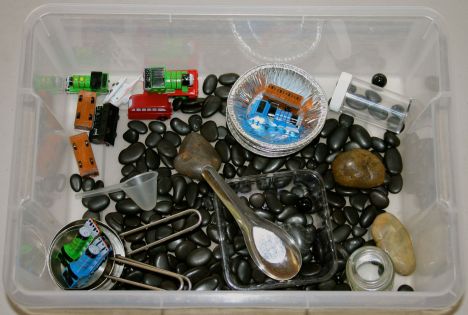
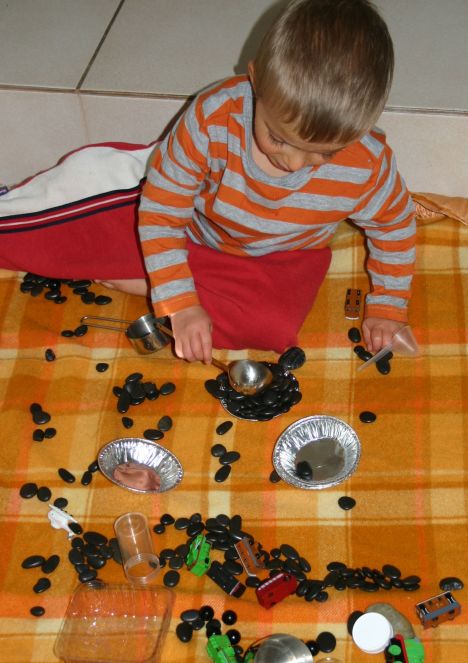
Younger toddlers do not have a well-developed imagination and therefore need more hands-on options, rather than pretend play materials. For example, in the trains tub above, I included a variety of scoops and containers to fill, transfer, tip and pour as well as the trains themselves. A young toddler may examine the trains before setting them aside in favour of transferring the stones from container to container. The older children may go straight for the trains and set up a complicated rail system with rocks delineating the tracks and the containers used as sheds for the trains. Another may decide to serve dinner on the silver pie tins or set up a picnic for the trains.

sensory tub trains JIMG_8193

I find that the tubs themselves are not large enough for the children to play within. They like to sort through, put aside what they are not using and generally spread out, so I use a blanket or sheet for them to play on. When play time is finished, the corners of the sheet are lifted up and all the materials can be quickly tipped straight back into the tub without a tedious pack-up session.

sensory box horses jewels IMG_8183

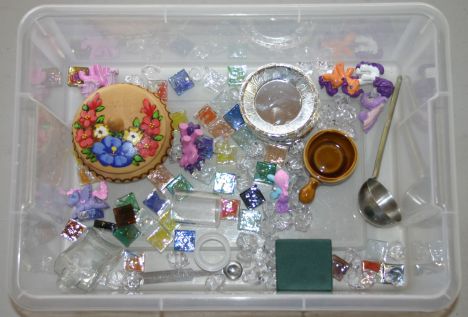
The older girls were practically drooling over this jewel and miniature pony tub as I was putting it together – usually a sure sign it will be well-loved by the younger children as well! Again, a variety of scoops, containers, bottles and boxes with sparkly jewel squares and pebbles. (The kind used in vases or to fill bowls – from the discount shop.)

sensory box sea IMG_8185

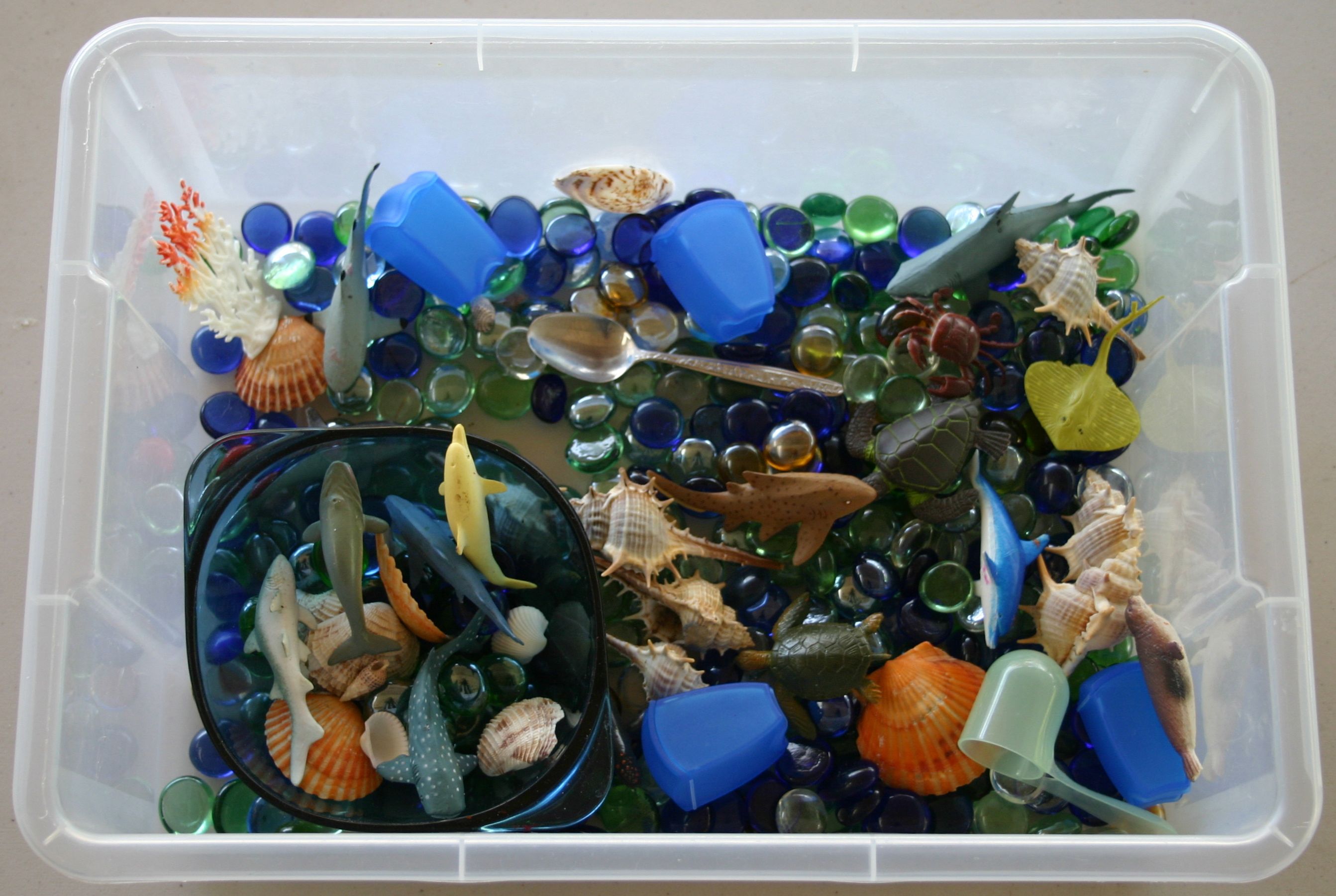
Blue and green gem stones, plastic sea animals, shells, bowl, spoons, scoops and empty pill boxes. This tub covers opening and closing skills, spooning, scooping, tipping, pouring (all transferring skills) and could be extended to sorting and categorizing as well as the pretend play options.

sensory tub S jewwels IMG_8192

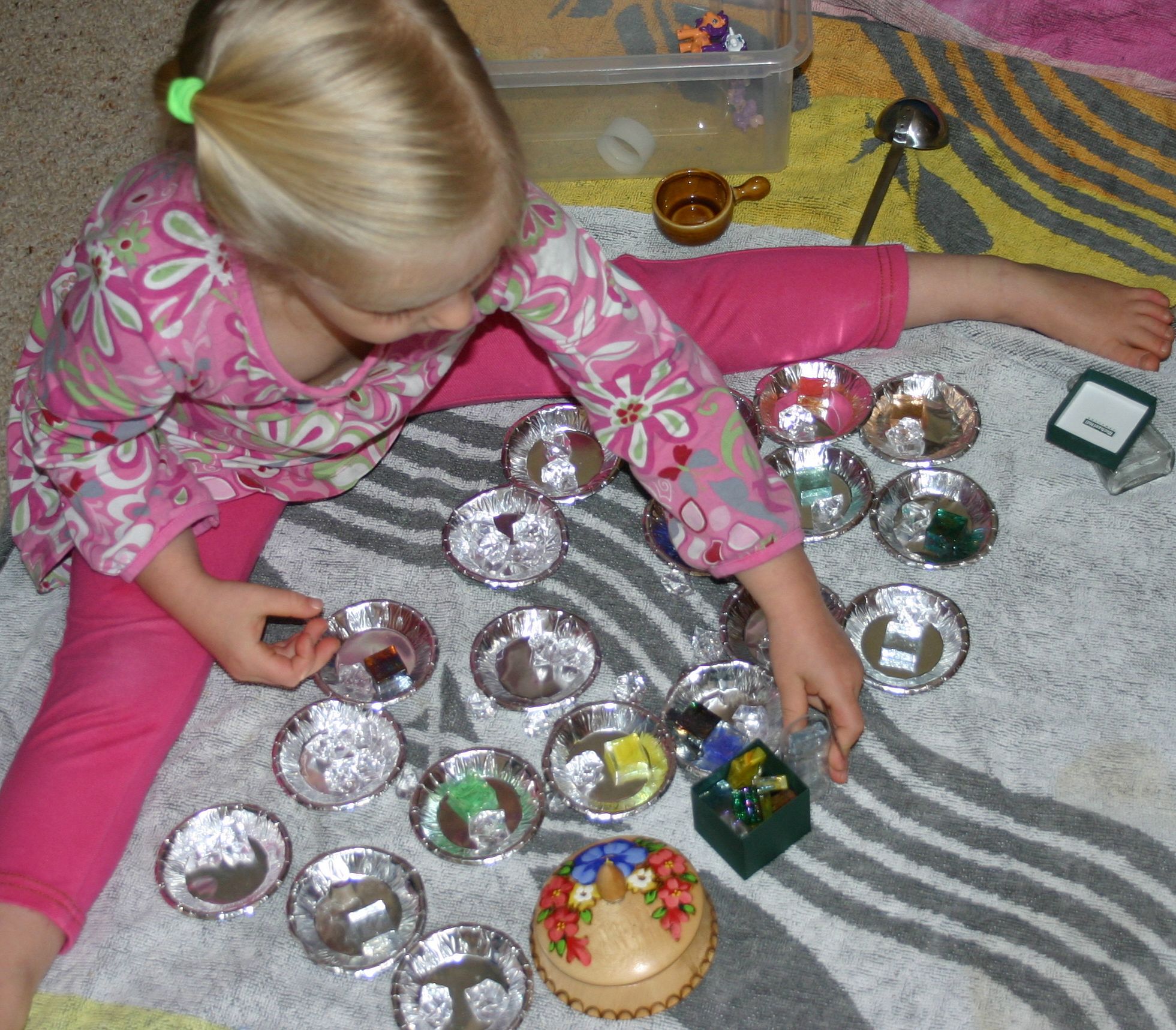
My youngest daughter used the pony and jewel tub this morning for the first time. She carefully removed all the ponies and put them back in the box before making a picnic for her teddy bear and the 12 disciples (!) with the containers and jewels. The older girls (6 and 8) have already asked to use it later and tell me they plan to set the jewels up as food for the ponies. The beauty of open-ended, attractive materials is that they will appeal to a variety of ages. My 15 month old can barely restrain himself and wants to dive straight in whenever he sees these tubs out. Unfortunately the pieces are just too small for him to use safely.

sensory tubs A teddies IMG_8194

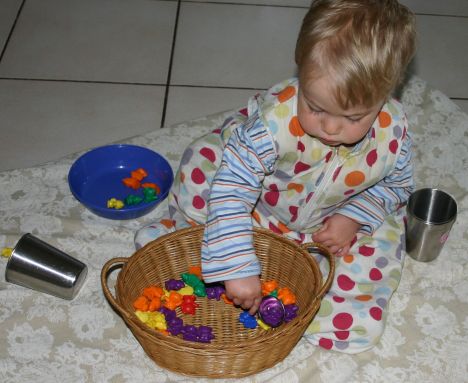
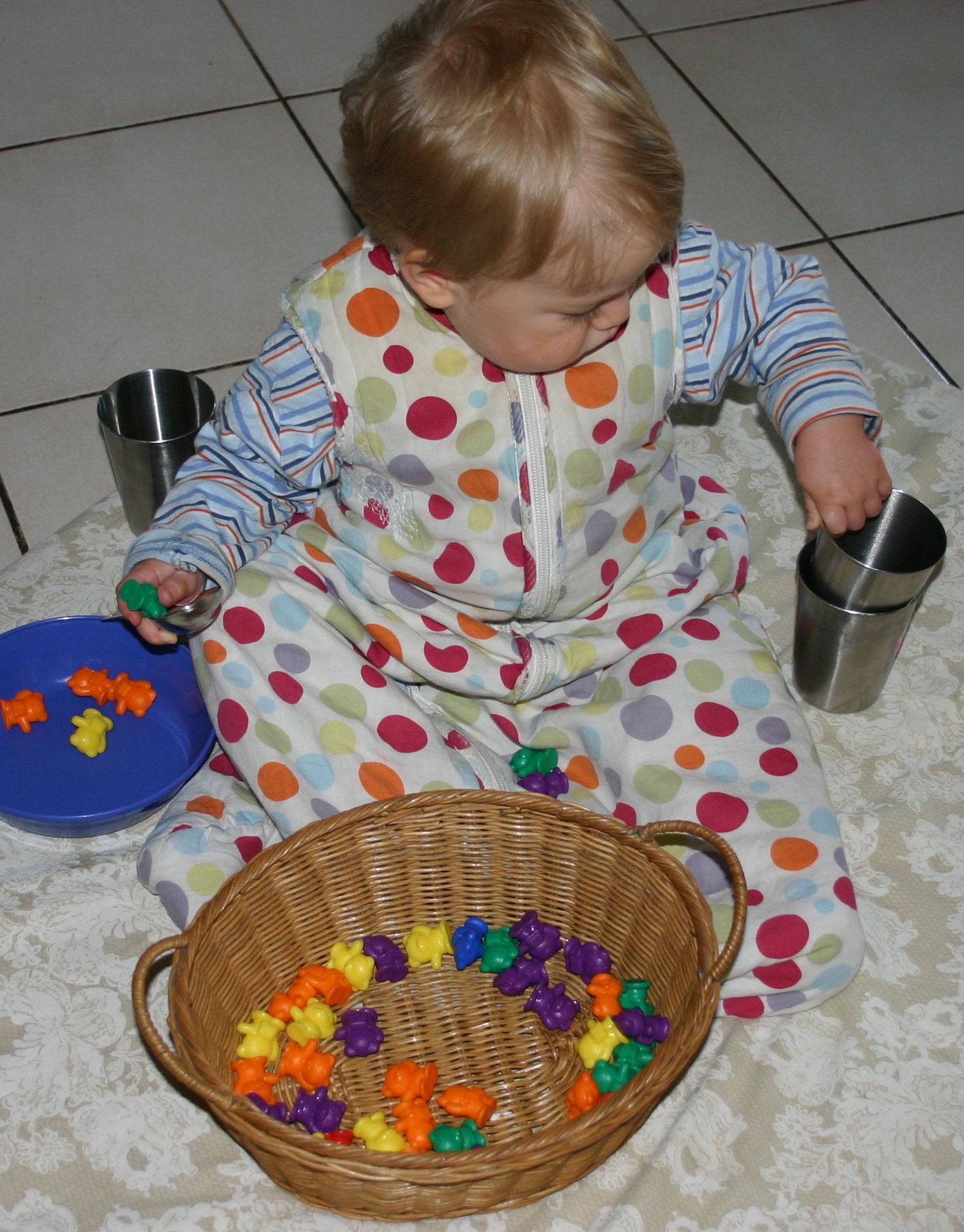
This is the 15 month old’s sensory “tub” this week. He loved it and used the scoop (a large measuring spoon) to transfer from the large basket to the small bowl, filled and stacked the metal cups and filled and tipped out the basket numerous times. Provide a container or two and something to put in and dump right back out again and it will always be a hit with anywhere from an 8 month to a 2-year-old. 12 to 18  month olds particularly love to fill and dump.

For a stack of ideas to fill your sensory tubs,see this post. Many of the other ideas I have posted as table activities, highchair activities or mat time activities would all work in a sensory tub. See pasta play and teddy food play as examples.

Activities to make for babies and young toddlers

Trying to find interesting activities to keep older babies and young toddlers interested and focussed for any length of time can be a battle, but it is one that is worth persevering with. If you spend the time training your young children to sit, focus and concentrate and extend this time as they grow, you will be teaching them the self-control that is vital for all learning later. Not to mention the fact that you can go out to a friend’s house, to a restaurant, a school assembly or any other public event and take your child along, with the peace of mind of knowing that you will be able to enjoy some uninterrupted time in an adult situation. Toddlers need to be taught hand, voice and body control and this can begin at a very young age.

Here are a few ideas for home-made or readily available activities you can give to an older baby or young toddler during times where they are required to stay in a set boundary and play with the toys you have supplied (e.g. mat time (blanket time), room time, playpen time, highchair time and table time.)

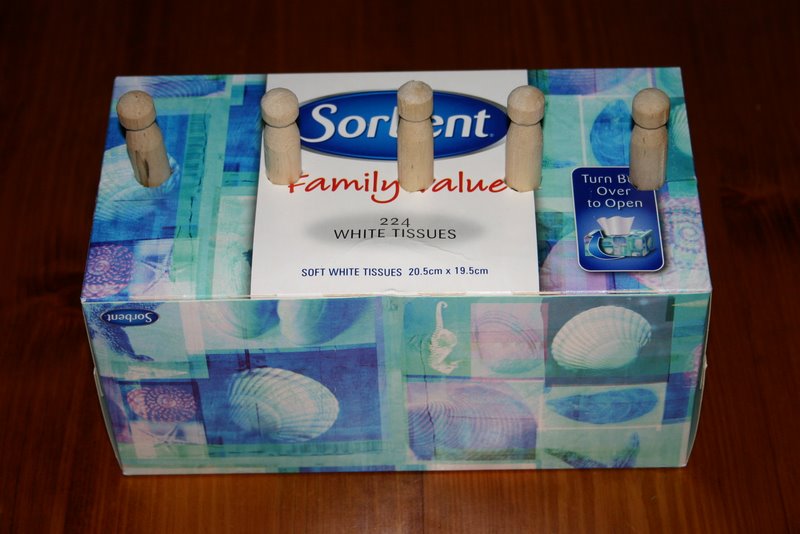
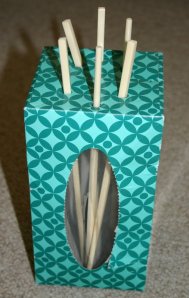
Even quite young babies will enjoy pulling these dolly pegs out of the holes in the tissue box and carefully inserting them back in again. If they are pushed all the way in, the hole on the bottom of the box allows the child to pull the peg out from underneath. Posting and small spaces activities are great for developing fine motor control.

Stacking and unstacking objects is fascinating for toddlers. I was given these melamine plates for Christmas and my twins used them over and over again.

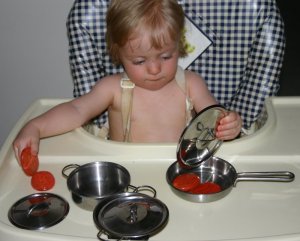
Cooking like Mummy is always popular. Go through your play food and cooking equipment and make up little sets. Don’t forget your kitchen junk drawer, pots and pans and any other smaller kitchen equipment that toddlers can safely use. Add small dolls and teddies for toddlers to feed.

My plastics are stored in a crate which I can plop out on the floor for little ones to unload and sort through. Stacking and unstacking, trying on lids and just exploring it’s contents is very absorbing. Perhaps you have a suitable cupboard that you can designate for young children to access while you are working in the kitchen.

I had trouble finding reasonably priced magnets that very young children could easily grasp. The flat, flexible style of magnet are not good for babies because they have trouble getting them off and end up peeling the edges back. I went to a $2 shop and bought 4 wooden jigsaw puzzles and a packet of strong round magnets. I glued the magnets on the back of the puzzle pieces and got a great, economical set of animals for the fridge, whiteboard, or metal biscuit try.

This very large bottle is a great posting container. Pegs, popsticks or any other thin object can be pushed through the lid hole and pulled back out through the open slot in the front. The edges are taped where they were cut to cover the sharp edges. I originally saw this used as a water pouring activity with a funnel in the spout and a large flat tray underneath to catch spills. The children were scooping the water out from the large front hole and tipping it back into the funnel at the top.

These oversized popsticks are placed into slots in the lid of the icecream container and can be pulled out and pushed back in.

A set of plastic chopsticks has been used in many different ways over the years in my house. Another small spaces activity; poking them into the holes in the side of this tissue box

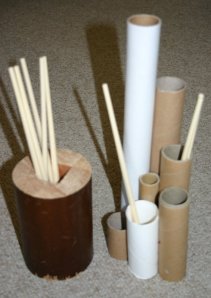
I glued a bunch of cardboard tubes together for the little ones to put the chopsticks in and out of.

This quoits set amused the babies for quite a while as they took the rings on and off.

This Velcro fruit makes a great ripping sound as you pull it apart and stick it back together. Include the wooden knife for older toddlers to practise their early cutting skills.

I used some polystyrene foam covered in wide weaved fabric (burlap I think?) for this early hammering activity. (The foam has a tendency to crumble with use and I didn’t want any of the young children being able to get it into their mouths.) Golf tees and a selection of washers to bang into the foam have been well used by all of our children.

Outdoor activities: Hopper races and obstacle courses

We are blessed to have a great backyard. Plenty of space and very child-friendly. We still however hear the occasional moans about not wanting to go outside and having nothing to do. While that doesn’t wash in our house and the children are sent out anyway, I am finding that they are not sleeping at night as well as they should be and I suspect it is because of lack of physical exercise. In the heat they tend to gather in the shady sandpit and while it is lots of fun, doesn’t give them the exercise they need.

My usual response to the “I have nothing to do” complaint is to tell the kids to sit on a chair and think of something. I let them know that in 5 minutes I will be coming back and if they don’t have a plan will be giving them something to do. The children all know this is code for WORK so usually they will quickly re-direct themselves. If not, a corner of my garden gets some weeds pulled out or the sand around the sandpit gets swept up. Good exercise for them and great for me!

One outside activity we have done together that was enjoyed by everyone was hopper races. We set out hoses, broom handles, ropes, sports equipment, mats and a bunch of items from around the backyard and arranged them into an interesting obstacle course. The children then hopped through with their hoppers, circling some items, jumping over others, hopping backwards in some sections and weaving through other parts. They helped design the course and decide on the level of difficulty. Handicaps for the younger and slower members were decided on and the races began. Lots of hot sweaty fun was had by all and what’s more, they were totally exhausted by the end of it. Mission accomplished!

Circle Time Planning

Circle time is next on the planning agenda. I’ve missed starting the day off together each morning and am looking forward to beginning our day with circle time again once we start our homeschooling programme.

We’ve used a lot of wonderful resources already. Here is our list of materials we have already worked through, plus the ones we will continue on with or start fresh this year. I have been very happy with those we have used so far and expect the new ones to be just as good as they are all based on the highest recommendations of homeschooling friends with similar philosophies to mine.

Click on these titles to see my reviews from previous posts and where to get them.

Our resources for 2011:
  • Building On The Rock Series by Joel Beeke (These 5 books of short stories contain a very strong gospel and biblical message. Stories of great faith, conversions, answers to prayer and miraculous happenings will help you to explain the great truths of the Christian faith, challenge you and your children in their own Christian walk and inspire you to serve God with renewed vigour.)

  • Go To The Ant Check-list (Another great chart to work through with children and then put on display as a reference. In the publisher’s words: “Use the Go To The Ant Chart to help your children examine themselves and replace laziness with habits of godly diligence.”
  • The Answers Book For Kids Volume 1 to 4 by Ken Ham (Answering tricky questions about God and this world in a way that children can understand, yet without oversimplification.)

Outdoor activities: more water play ideas

How do you keep little ones entertained and playing happily outdoors for extended lengths of time? Opening the back door and simply sending several young children out is not always a very successful method. Without direction to their play it is very likely that you will be dealing with bickering, squabbles and otherwise less than useful use of their time.

Spending 5 minutes getting them started on an absorbing and appropriate activity very often makes for a harmonious time as they happily go about their play in a focussed way. This 5 minutes at the start of playtime often saves me many minutes umpiring disputes and redirecting poor choices. More ideas will follow under the heading of outdoor activities, but today it’s more water based ideas.

In the warmer weather I find it so much easier as all my children from the youngest to the oldest love water and sand based play. All water based activities require some supervision so I choose tasks to do that allow me to oversee what is going on either from a distance or close by depending on the activity. Our water table is a favourite, as are the following:

Water painting

  • Buy a couple of different sized house painting brushes from a hardware (the cheap sets are fine) and a small bucket. Fill the bucket with water, give some directions as to which outdoor areas; furniture, fences, paths, walls etc. can be painted with water and let them at it! My children, especially the younger ones, love water painting, particularly if I occasionally admire the lovely new “colours” they have painted everything.
Sprinklers
  • I know it doesn’t fit into the water saving category but if it is your watering day, set up a sprinkler on the lawn and let everyone run about in it. Old as the hills, so easy and great exercise.
Paddle Pools/sandpit shell halves
  • I’ve mentioned this before, but an inch of water or even a couple of pots and pans full of water for scooping, tipping and pouring while sitting in half of a plastic sandpit clam shell or paddle pool is good fun. Combine it with a little sand and it becomes great fun.
Sandpit
  • Point the hose into the sandpit and turn it on just a little so a trickle comes out. That’s it! Provide cars, boats or whatever else you have in your sandpit toys.
Puddle Kingdom
  • Sometimes we empty out our outdoor storage containers and put a bunch of them together on the grass. We then fill each one with a little water and again, free play! Jumping from one to another, making “houses” or whatever they fancy makes this an interesting pastime.
Water trampolining
  • We occasionally set up the sprinkler underneath or near  the trampoline for wet bouncing fun. This isn’t so good for the younger children though as it does get quite slippery. The 3 year old and up are steady enough on their feet to make this loads of wet fun.
Water slides
  • If your backyard has a slope, then a long sheet of black plastic with a little detergent and lots of water is a wonderful slide and wears those energetic youngsters out.
Water Chasey
  • Not quite our usual outdoor activity as this involves me, but when it is really hot we play water chasey with the hose. Simply put, the kids run around like crazy and I spray them with the hose, watering the garden in between.

Paddle pools and slide

  • Another one that requires adult supervision is the paddle pool properly filled up or with a small amount of water and the slide from our little plastic castle into it for the children to climb up and slide into the pool. When they’ve had enough sliding we bring the sandpit toys over and everyone sits down for a play.

Make your own toddler toys: teddy food play


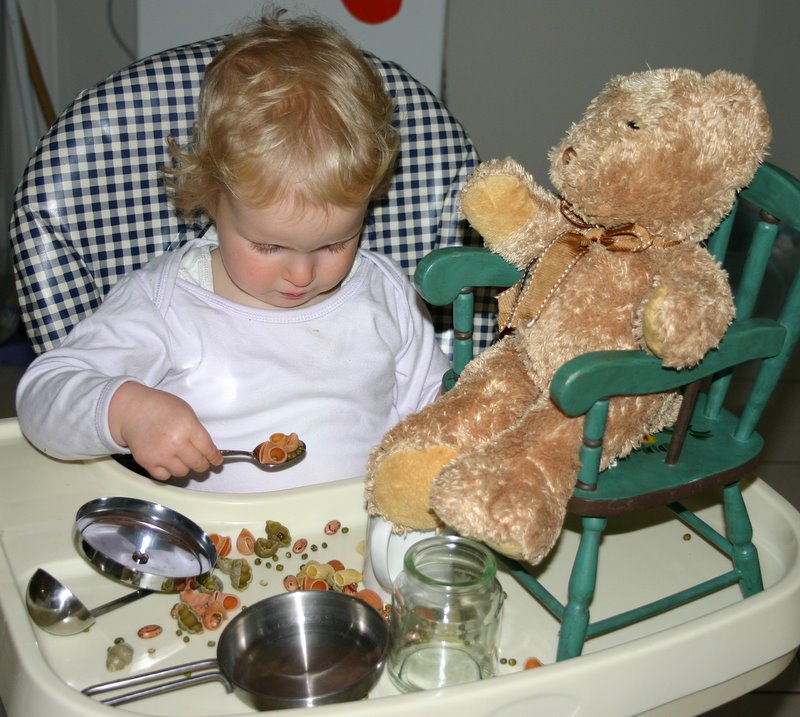
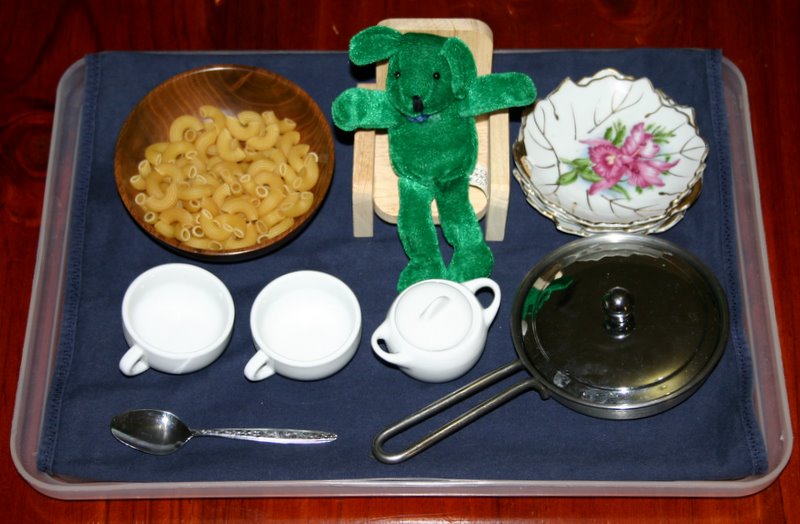
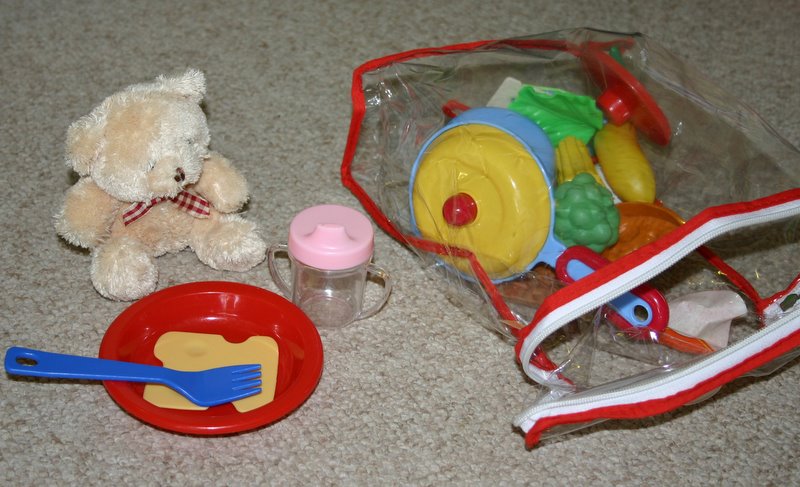
Teddies, cooking equipment and food are such an easy activity to put together for toddlers. Little boys and girls love to pretend cook and feed their willing teddy companions. I use this kind of activity for highchair time, mat timeplaypen time or as a table activity and it’s open-ended nature lends itself to long periods of concentration.

It is easily updated and kept fresh by simply adding some different containers, cooking equipment, food or teddy. It can be a “new” activity every week without much work on your behalf.

Simply look around the house, gather up some interesting containers, plates, cups, cutlery and the like, some kind of “food”, a teddy and you are set. Keep in mind the age of the child and choking hazards. Beans, pasta and jewels are best used under supervision or not at all if a child is very tempted to stick them in ears, noses and mouths or anywhere else they shouldn’t be!

Sometimes I use doll-house sized teddies and doll-house furniture so the teddies can eat at the table, go to sleep in a little bed afterwards and even sit on the couch to relax. I have used plastic food, felt food, wooden food, dry pasta and beans, jewels and rocks and even pictures of food glued onto card from junk mail.

As soon as your little one has begun use their imagination (pretend play) you can introduce this activity. For the very little children, you might even sit and play with it with them first, teaching by your example what to do with each item. Children with older siblings have had this modelled extensively, but a first child will not always know how to play unless you show them. They will of course work it out for themselves, but if you want a young child to use this kind of activity enthusiastically for an extended time, some modelling will go a long way to extending their play.